
World Bank data reveals 44.7 Pakistan in poverty as its neighbors progressed

By Anjali Sharma
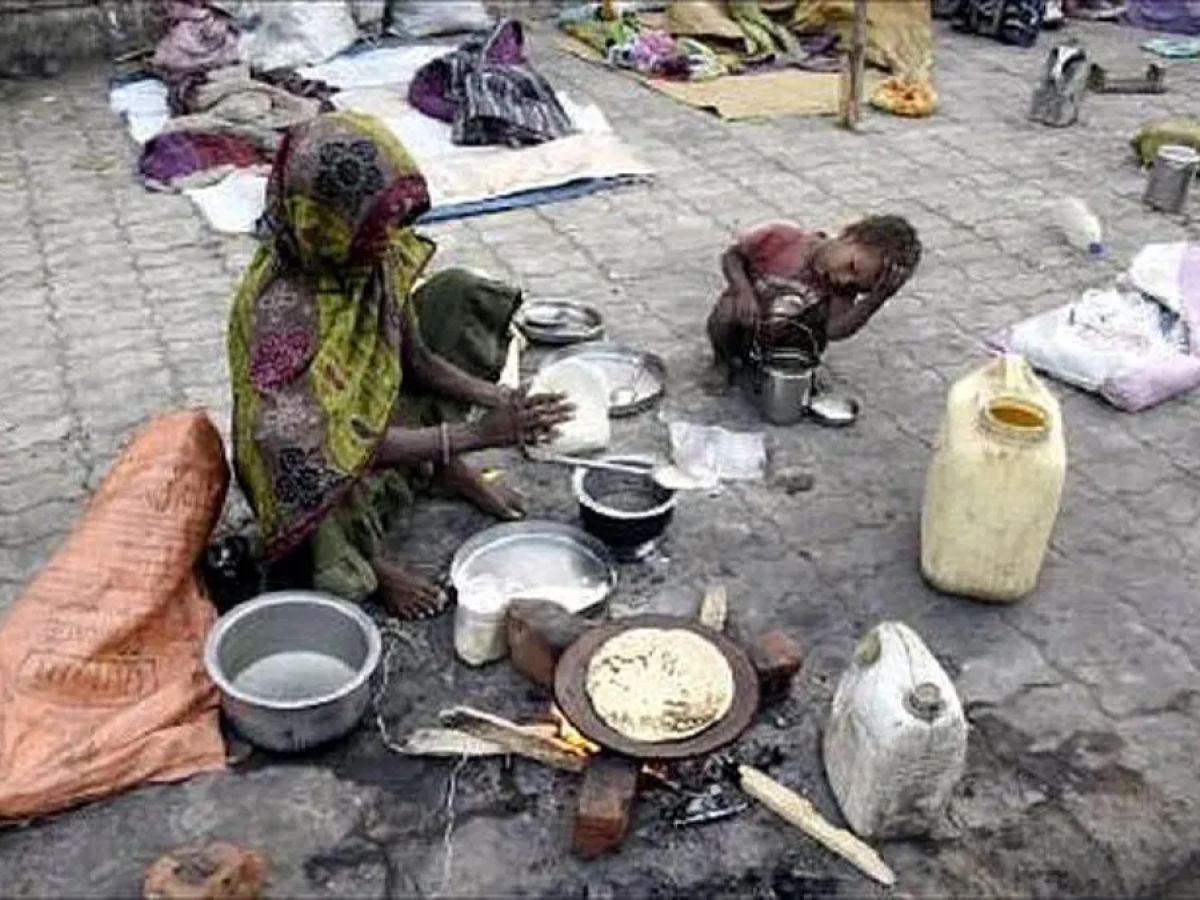
WASHINGTON – World Bank’s 2025 assessment on Friday revealed a alarming 44.7 per cent of the population of Pakistan living below the USD 4.20/day poverty line as its neighbors in the region progress.
World Bank data showed that Pakistan’s poverty crisis continues to spiral out of control. The alarming figure exposed the failure of successive Pakistani governments to effectively address the rampant poverty afflicted half of the nation’s citizens.
The report highlighted that extreme poverty, defined by the World Bank’s USD 3.00/day threshold, has surged to 16.5 per cent from a previously reported 4.9 per cent, demonstrating that millions more Pakistanis are sinking deeper into destitution.
The report said that the Multidimensional Poverty Index indicates that over 30 per cent of Pakistan’s population suffers from severe deprivation in health, education, and living standards. China, Bangladesh, and Nepal have managed to make meaningful progress in poverty alleviation through targeted strategies, industrial growth, and social reforms, the World Bank data stated. China has cut its extreme poverty rate below 1 per cent, and Bangladesh’s microfinance and garment sectors have propelled millions out of poverty despite recent setbacks. Even Nepal boasts a poverty rate below 2.2 per cent. Media reported that Pakistan struggle is compounded by bloated social welfare programs like the Benazir Income Support Programme which, despite increased funding, remain patchwork solutions unable to break the cycle of poverty.
Overreliance on these handouts without integrating effective poverty graduation methods leaves millions trapped in dependency, it reported. Pakistan Poverty Alleviation Fund has made some progress empowering women entrepreneurs and disbursing millions in interest-free loans, its achievements remain isolated successes amid a vast sea of deprivation.
The lack of a comprehensive, updated poverty database cripples targeted policymaking, leaving millions invisible to the state’s welfare mechanisms, the data added.The experts argued that without political will and institutional reform, Pakistan will continue to lag behind regional neighbors. Fragmented data systems, bureaucratic inefficiencies, and limited coordination among aid agencies undermine any meaningful progress.Media reports said that to reverse these devastating trends, Pakistan must adopt data-driven policies inspired by global best practices, strengthen public-private partnerships, and scale up community-driven poverty graduation models. Without bold reforms, the nation risks remaining a poverty hotspot in South Asia, perpetually failing its most vulnerable citizens.
