

Anjali Sharma
GG News Bureau
UNITED NATIONS, 17th Jan. WHO and the UNICEF on Tuesday reported that the 2024 begins with soaring cases of cholera globally, with over 667,000 cases and more than 4,000 deaths last year.
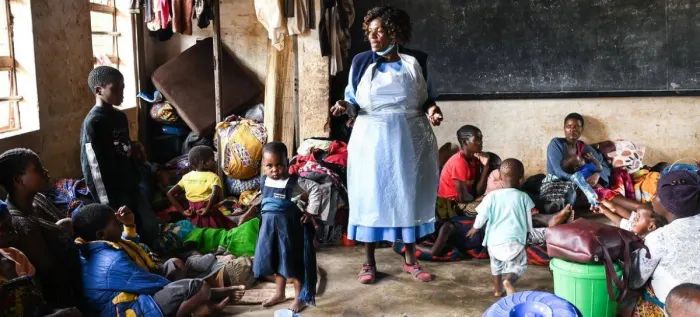
According to UNICEF, the Eastern and southern African nations are the worst affected, accounted for about 75 per cent of the fatalities and a third of the cases, as of 15 January.
The regions suffering from lack of adequate clean water and sanitation, and poor case management, children are particularly vulnerable as the outbreaks spread rapidly.
Etleva Kadilli, UNICEF Director for eastern and southern Africa, said that “The cholera outbreak in the region is a significant concern to the health and well-being of children”.
“Investments in strengthening systems to address the root causes of cholera and other public health emergencies, particularly on enhancing access to clean water, improved sanitation and hygiene, social behavior change and quality of case management, are imperative.”
She highlighted the compounding impacts of climate change, as well as the multifaceted consequences for children.
“Learning loss is a major concern. It is imperative that the response not only be swift but also considers the long-term well-being of these young children. As the new school year is starting in many countries in the region, it is crucial for measures to be put in place in schools to protect children against infections,” she said.
WHO reported that preliminary data from Member States indicate that the number of cholera cases reported in 2023, as of 15 December, surpassed 2022.
The agency said ain a report issued earlier that “Nearly a year has passed since WHO classified the global resurgence of cholera as a grade 3 emergency, the highest internal level for a health emergency requiring a comprehensive response,”.
WHO is reviewing its response to cholera globally to identify key lessons and make evidence-based adjustments where needed to better coordinate activities in the coming months.
“Based on the large number of outbreaks and their geographic expansion, alongside the shortage of vaccines and other resources, WHO continues to assess the risk at global level as very high,” it added.
It noted that the figures must be “interpreted with caution” given varying surveillance systems and capacity across countries, meaning that 2023 data are not directly comparable to reports from previous years.
WHO said the outbreaks were the deadliest in Malawi, in southern Africa, and Haiti, in the Caribbean.
Some 1,771 people lost their lives to the disease in Malawi, while 1,156 succumbed in Haiti, as of 15 December 2023, WHO stressed.
WHO report stated that in Africa, the Democratic Republic of the Congo has reported 1,000 cases each week, while Zimbabwe and Mozambique are experiencing a rise in cases and spread of outbreaks. Burundi and Zambia also continue to report active outbreaks.
Afghanistan reported the highest numbers of suspected and/or confirmed cases, the country uses a different surveillance system from other nations, WHO concluded.
