
WHO says new influenza variant surging, vaccine ‘most effective defence’
New AH3N2 subclade detected in 30+ countries; WHO urges vaccination ahead of Northern Hemisphere flu surge

By Anjali Sharma
UNITED NATIONS – World health agency said on Tuesday that an early start to the Northern Hemisphere influenza season a new variant of the virus is rapidly gaining strength but vaccination remains the “most effective defence”.
Dr Wenqing Zhang, Unit Head for Global Respiratory Threats at the Department of Epidemic and Pandemic Threats Management of the WHO told reporters that influenza and other respiratory viruses are surging, and this year is marked by “the emergence and the rapid expansion of a new AH3N2 virus subclade”.
She said that the new variant called J.2.4.1 or subclade K was first noted in August in Australia and New Zealand and has since been detected in over 30 countries.
“Current epidemiological data do not indicate an increase in disease severity, although this genetic shift makes a notable evolution in the virus,” Dr Zhang said.
She explained that influenza viruses are constantly evolving, she explained, which is why the influenza vaccine composition is regularly updated.
“WHO tracks these changes, assesses associated risks to public health and makes vaccine composition recommendations twice a year, through a longstanding global system – the Global Influenza Surveillance and Response System (GISRS), in collaboration with other global experts,” Dr. Zhang said.
She stressed that the new variant (has not been incorporated into?) is not part of the composition of the latest vaccines produced for the Northern Hemisphere influenza season.
Dr. Zhang said “early evidence suggests that current seasonal vaccines continue to offer protection against severe diseases and reduce the risk of hospital hospitalization”.
WHO estimated that there are around one billion cases of seasonal influenza annually, including up to five million cases of severe respiratory illness. Up to 650 000 deaths each year are owing to seasonal influenza-related respiratory disease.
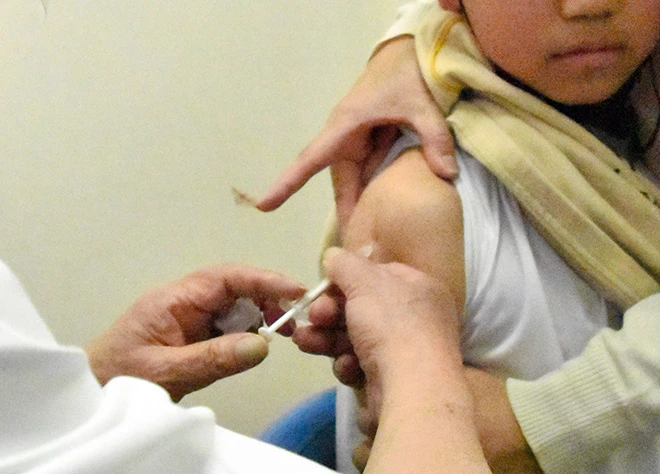
“Vaccination remains our most effective defence, including against drifted strains, particularly for high-risk populations and those taking care of them,” Dr Zhang insisted.
WHO expert shared the results of an early estimation of the vaccine’s effectiveness against the new variant, published in the United Kingdom some weeks ago.
“It’s quite promising,” she said.
She pointed to the data which showed that the vaccine is around 75 per cent effective against severe disease and hospitalization in children and around 35 per cent among adults.
Dr Zhang warned that the upcoming holiday season may bring a further surge in respiratory illnesses.
“Advanced planning and preparedness efforts, including encouraging vaccination uptake and strengthening health system readiness, are strongly recommended,” she said.
She advised countries to strengthen lab diagnostics and year‑round disease surveillance and to participate in the WHO GISRS surveillance network.
The network comprises influenza centres in 130 countries as well as a dozen reference laboratories, she added.
Dr Zhang said that “from the flu perspective, from the respiratory surveillance and preparedness perspective, certainly we would need all the countries in the world to participate in the surveillance, preparedness and a response for influenza and other respiratory viruses because we don’t know the next pandemic strain, when and where it would emerge” when asked whether the United States will remain a member of the network next year despite the country’s decision to leave WHO, effective 22 January 2026.
“And that time between the emergence and being picked up and characterized and put into vaccines…it would make a lot of difference with regards to the number of lives that could be saved,” she concluded
