

By Anjali Sharma
UNITED NATIONS – World health agency on Monday said that a breakthrough HIV drug that only needs to be injected twice a year to offer near-total protection from the virus and developing AIDS should be made available “immediately” at pharmacies, clinics and via online consultations.
According to the WHO, Injectable lenacapavir – LEN is a highly effective, long-acting antiretroviral alternative to daily oral pills and other shorter-acting options.
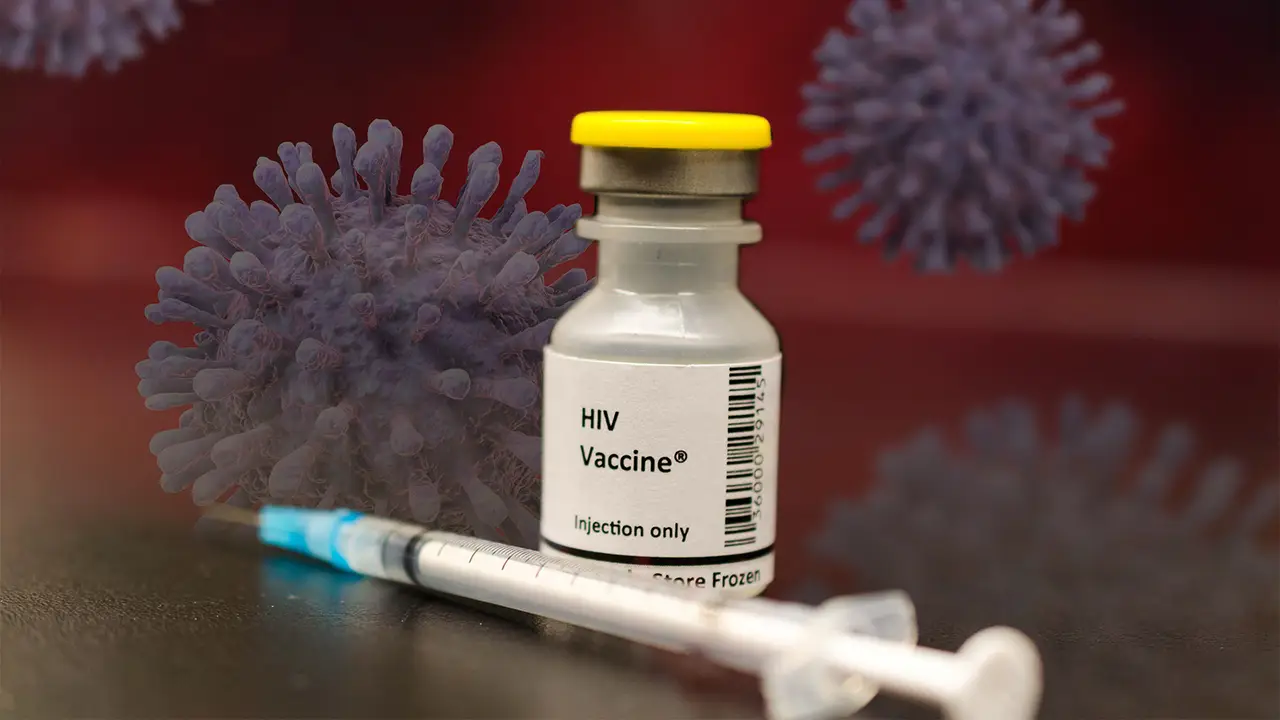
WHO Director- General Tedros Adhanom Ghebreyesus said that “While an HIV vaccine remains elusive, lenacapavir is the next best thing: a long-acting antiretroviral shown in trials to prevent almost all HIV infections among those at risk,” .
WHO support for the injectable drug is significant because HIV prevention efforts are stagnating around the world, it stated in a press release issued in new York.
UN agency also recommended the use of rapid testing kits for the disease, as opposed to “complex, costly procedures”. to make it easier for people to receive the injection close to home
According to the WHO 1.3 million people contracted HIV in 2024; people most impacted were sex workers, men who have sex with men, transgender people, people who inject drugs, people in prisons, and children and teens.
Mr. Tedros stressed in his comments during the 13th International AIDS Society Conference on HIV Science, in Kigali, Rwanda that “WHO is committed to working with countries and partners to ensure this innovation reaches communities as quickly and safely as possible.”
The recommendation for LEN is in line with the US health authorities which approved it in June.
WHO urged governments, donors and partners to incorporate LEN “immediately” within national combination HIV-prevention programmes although access to the LEN injection remains limited outside clinical trials today.
WHO-supported HIV-prevention options include daily oral tablets, injectable cabotegravir which is injected once every two months and the dapivirine vaginal ring, as part of a growing number of tools to end the HIV epidemic.
The agency noted massive funding cuts to the global effort to end HIV-AIDS including the US Government programme launched in 2003, PEPFAR, focusing on combating the disease in Africa.
WHO also issued new operational guidance on how to sustain priority HIV services.
Dr Meg Doherty, Director of WHO Department of Global HIV, Hepatitis and STI Programmes and incoming Director of Science, Research, Evidence and Quality for Health said “We have the tools and the knowledge to end AIDS what we need now is bold implementation of these recommendations, grounded in equity and powered by communities,”
HIV remains a major global public health issue, WHO stated.
It noted that by the end of 2024, an estimated 40.8 million people were living with HIV with an estimated 65 per cent in Africa. Approximately 630,000 people died from HIV-related causes globally, and an estimated 1.3 million people acquired HIV, including 120,000 children.
The access to HIV drugs continues to expand, with 31.6 million people receiving treatment in 2024, up from 30.3 million a year earlier.
It concluded that without anti-retroviral medication, the HIV virus attacks the body’s immune system, leading ultimately to the onset of AIDS.
