
When Law Bends to Loyalty: Congress’ Karnataka Playbook
“When law becomes a political convenience, rioters turn into “activists” and scams transform into misunderstandings—welcome to Karnataka under Congress.”

Paromita Das
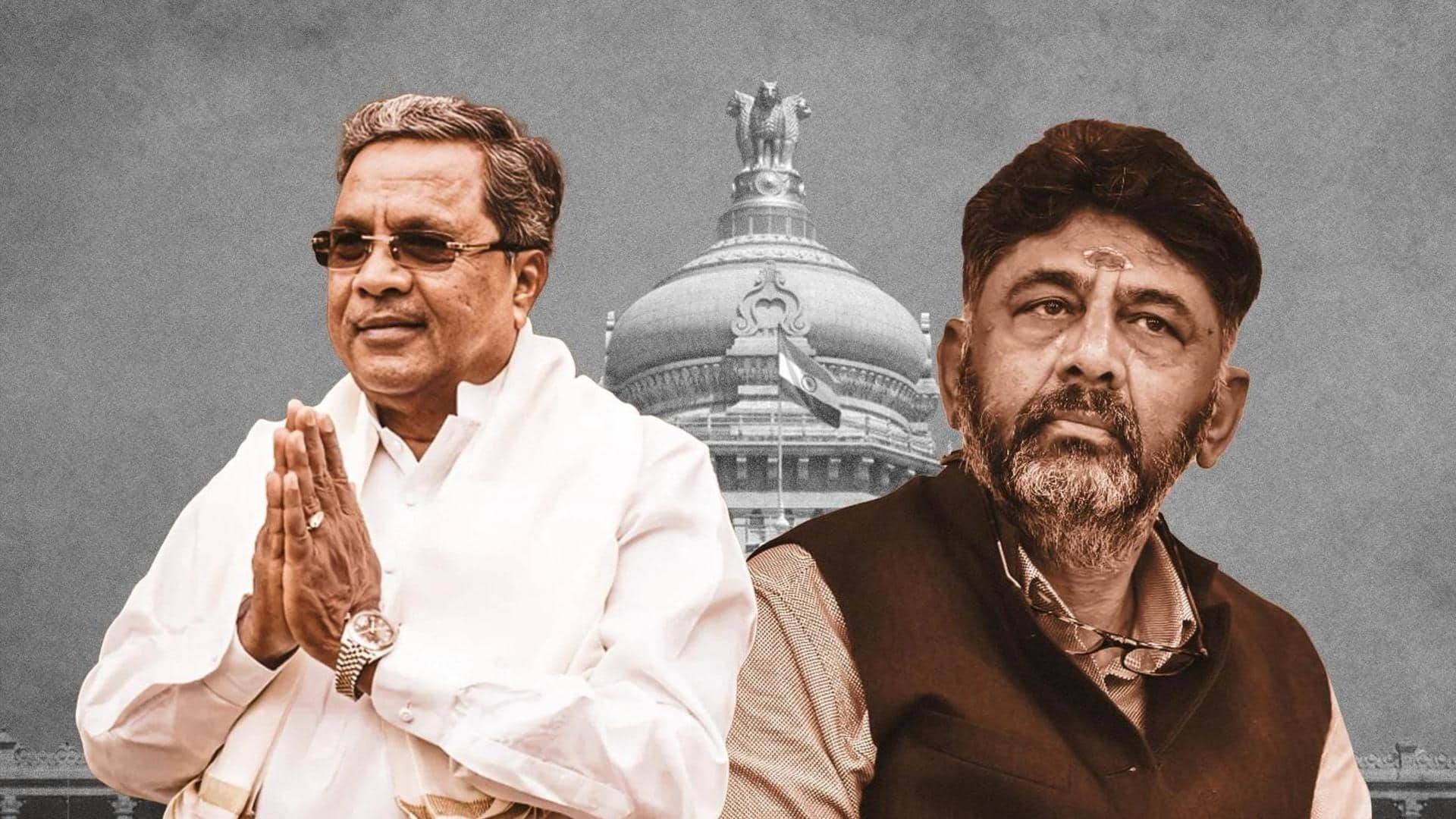
New Delhi, 6th September: If Karnataka’s Congress government ever writes a handbook on governance, its first chapter might well be titled “How to Turn Rioters into Victims and Allegations into Illusions.” In a move that would make even the boldest satirists run out of punchlines, the Siddaramaiah-led cabinet has decided to withdraw dozens of criminal cases—most notably those against its own supporters, rioters, and so-called “activists.” From stone-pelting mobs in Chittapur to political loyalists of Deputy CM DK Shivakumar, the Congress has made sure that loyalty pays—not in merit, but in immunity.
At the very same time, the cabinet also accepted a commission report giving Chief Minister Siddaramaiah and his family a neat “clean chit” in the controversial MUDA land allotment case. For critics, this is less about justice and more about political choreography—an act where the government plays judge, jury, and beneficiary.
Rioters Rebranded as Activists

The government’s approval to withdraw 60 cases, including those against Muslim rioters and Ambedkarite activists, has raised the obvious question: When did rioting become activism?
One of the withdrawn cases pertains to the 2019 Chittapur incident, where a mob hurled stones after Hindu activists tipped off the police about cattle smuggling. The petition to withdraw this case came from none other than IT/BT Minister Priyank Kharge. Convenient, isn’t it?
Another set of cases involves Shivakumar’s supporters, who vandalized public property and pelted stones at buses in Kanakapura after his arrest by the Enforcement Directorate. Even Shivakumar’s brother’s followers, who created chaos back in 2012, are now beneficiaries of this newfound political generosity.
And it doesn’t end there—cases of violence during Ganesh Chaturthi processions in Ramanagar and Koppal have also been quietly scrubbed away. Ironically, the police and law departments opposed these withdrawals, labeling them “not in public interest.” But when has Congress ever let public interest stand in the way of political interest?
The MUDA Scam: A “Clean Chit” Wrapped in Controversy

While withdrawing cases against rioters might look like appeasement politics, the MUDA land allotment scam reeks of something far deeper—self-preservation.
Back in July 2024, a complaint accused Siddaramaiah, his wife, and relatives of forging documents to claim compensation from the Mysuru Urban Development Authority. Farmers alleged double standards: while they were struggling for fair compensation, the CM’s family seemed to be treated with silk gloves.
Yet, when the scandal threatened to dent the CM’s image, the Congress government set up a one-man inquiry commission under Justice P.N. Desai. And—surprise, surprise—the report declared Siddaramaiah and his family squeaky clean, dismissing all allegations. Critics argue that this wasn’t justice but rather a government granting itself absolution.
Selective Justice: A Pattern Too Familiar

This isn’t the first time Congress has played favorites. In October 2024, the Siddaramaiah government withdrew cases against AIMIM leaders and Muslim rioters involved in the violent Hubballi riots of 2022. That mob not only attacked police personnel and vehicles but also vandalized a Hanuman temple and hospital. Yet, according to Congress’ logic, they too deserved legal pardon.
The pattern is clear—if you’re a Congress supporter, a “friendly” activist, or part of a vote-bank constituency, justice bends in your favor. But if you’re an ordinary citizen or farmer seeking equal treatment, you’re left to navigate the long corridors of bureaucracy alone.
The Political Angle: Appeasement over Accountability

Analysts say this entire episode reeks of appeasement politics, timed strategically as Congress battles opposition fire across the state. By portraying rioters as misunderstood activists, the government not only shields its support base but also sends a message: loyalty comes with protection.
At the same time, whitewashing the MUDA scam through a commission’s clean chit is a masterstroke in narrative management. Instead of accountability, the CM now carries a government-certified badge of innocence. It’s not just governance; it’s spin-doctoring at its finest.
Democracy or Dynasty’s Playground?

A government’s duty is to uphold the law, not withdraw it at convenience. By setting the precedent that political loyalty can erase legal accountability, the Congress government is effectively institutionalizing impunity. It mocks the very essence of democracy, where laws are supposed to apply equally.
The bigger danger lies in normalizing this culture. If rioters today are activists tomorrow, and scams today are “misunderstandings” tomorrow, what remains of public trust?
For citizens, especially farmers and law-abiding individuals, this signals a grim truth: the scales of justice are tilted, not by evidence, but by electoral arithmetic.
Karnataka’s Political Theatre
In the end, Karnataka’s Congress government has delivered a performance worthy of satire, but tragic in its implications. Cases against rioters—withdrawn. Scams involving the CM’s family—clean chit. Public trust—eroded.
The message is clear: in Karnataka today, the law doesn’t serve justice; it serves politics. And if you happen to be on the right side of power, you don’t need innocence—you just need influence.
But while Congress may think this script secures short-term political gains, the people of Karnataka are watching closely. In a democracy, arrogance disguised as governance rarely goes unpunished for long.
