

Anjali Sharma
GG News Bureau
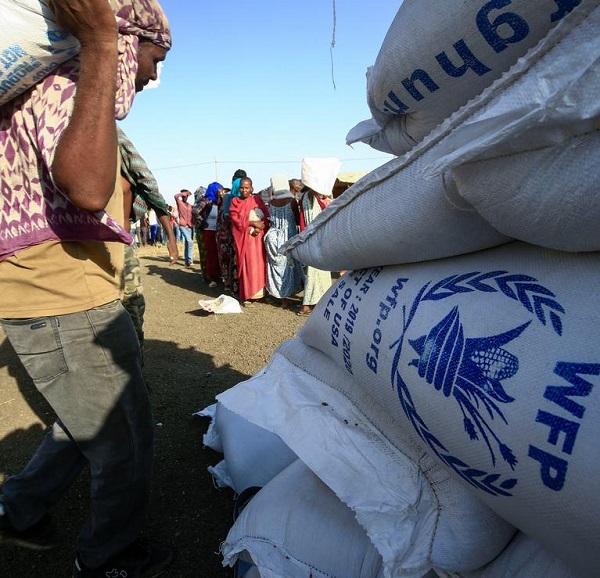
UNITED NATIONS, 7th Feb. World Food Programme on Tuesday boosts its efforts to deliver lifesaving assistance to 3 million people in Ethiopia to avert “a major humanitarian catastrophe” as severe hunger ripples across northern Ethiopia.
Chris Nikoi, the agency’s interim Country Director in Ethiopia said “WFP, with our partners, are working tirelessly to reach millions of Ethiopians at risk of hunger in the first quarter of the year to help keep a major humanitarian catastrophe at bay”.
“WFP is extremely concerned about the deteriorating food security in northern Ethiopia, where many are already facing severe hunger,” he stressed.
The agency said activating more robust delivery mechanisms to its operations in Ethiopia since late 2023.
WFP is working to ensure the delivery of critical food assistance to the hungriest populations affected by drought, flooding and conflict.
The food agency’s refugee operations are also crucial, the agency reported.
The conflict in Sudan that began in April 2023 continues to drive refugees an additional 200,000 Sudanese refugees are expected to arrive in Ethiopia, putting a strain on WFP’s refugee assistance if no additional funding is received.
WFP’s Mr. Nikoi said that the agency has digitally registered almost 6.2 million of the most vulnerable people in Afar, Amhara, Tigray and Somali regions.
The agency and the Ethiopian Government issued a joint appeal for urgent funding to respond to rising hunger in the north.
OCHA warned that over 6 million people are already receiving food and cash across affected areas, but large gaps remain.
WFP has made deliveries to 1.2 million people in those regions, to reach 3 million people of which almost two million are in Tigray since resuming food distribution in early December.
The agency needs $142million to replenish its limited food stocks in the country so it can keep reaching and delivering assistance to the most vulnerable people until June 2024 and to respond to the drought at scale.
“If WFP doesn’t receive additional funding, we will have to cease food distributions to refugees in April,” Mr. Nikoi said.
The Government of Ethiopia’s assessment of food security needs projected that 15.8 million people will face hunger and need food assistance in 2024, including more than four million internally displaced people and 7.2 million who have high levels of acute food insecurity and need emergency assistance.
WFP stated that the overall goal is to provide food assistance to 40 per cent of the 7.2 million, if resources are available, while the government and other partners will support the rest.
A key element of the agency’s response is transitioning from humanitarian relief to resilience programmes.
WFP to reach 1.4 million people in 2024 with activities that strengthen livelihoods and food systems in Ethiopia, including schemes to harvest water, irrigate land and improve access to markets as well as providing training on agricultural best practices and post-harvest loss technologies.
