
West Bengal’s Cultural Drama: When Tagore Becomes a Political Weapon
“How Emotional Manipulation Around Amar Sonar Bangla Masks Governance Failures in Bengal.”

Paromita Das
New Delhi, 24th November: The political drama in West Bengal has reached an extraordinary height with the recent controversy surrounding Rabindranath Tagore’s Amar Sonar Bangla. Once a beacon of intellectual pride, Bengal’s political scene now often resorts to emotional manipulation, especially when the ruling Trinamool Congress (TMC) faces challenges. The BJP’s question about the political use of Amar Sonar Bangla—a cultural masterpiece that is also Bangladesh’s national anthem—triggered a well-rehearsed response from Mamata Banerjee’s camp, casting BJP as a cultural enemy. This episode reveals much about the current state of Bengal’s politics and cultural identity.
The Emotional Theatre of Bengal Politics
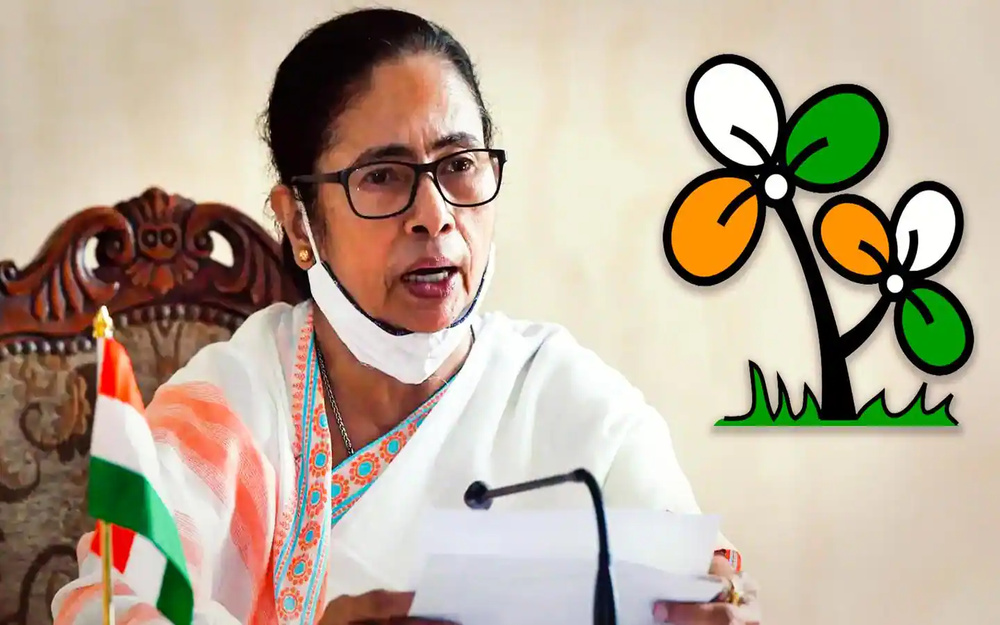
The TMC’s reaction to the BJP’s inquiry demonstrates a familiar tactic: deflecting from pressing governance issues by invoking cultural sensitivities. This strategy exploits Bengali pride, portraying any critique as an attack on Bengal’s culture. The narrative frames Mamata Banerjee as the protector of Bengali identity, while the BJP is painted as an outsider intent on cultural desecration. Yet, this emotional shield conveniently conceals the TMC’s troubles—industrial decline, corruption, unchecked political violence, and unemployment—all unresolved but overshadowed by elaborate displays of cultural defense.
It is essential to recognize that Tagore transcends partisan politics. His legacy belongs to all Bengalis and the wider Bharatiya subcontinent, reflecting pluralism and intellectual depth. However, the TMC treats Tagore’s Amar Sonar Bangla as a political prop, whipped out to rally emotional support and silence criticisms. This phenomenon is not a spontaneous grassroots defense but a calculated political maneuver designed to stifle genuine debate about Bengal’s administrative shortcomings.
The Hypocrisy of Cultural Custodianship
Mamata Banerjee’s government paradoxically fears the mention of Bangladesh’s name politically while simultaneously engaging with Islamist groups and practicing selective vote-bank politics. The TMC’s selective cultural nationalism claims the party as the sole guardian of “authentic Bengali identity,” branding dissenters as anti-Bengali or outsiders. Such gatekeeping undermines the inclusive spirit of Bengal’s cultural icons like Tagore. It manufactures a siege mentality that discourages any questioning of the ruling party’s failures and instead channels public sentiment towards a defensive cultural posture.
This political use of culture contrasts sharply with the BJP’s approach, which, despite occasional missteps, emphasizes development, infrastructure, and national issues. Unfortunately, the BJP’s restraint in Bengal has been a strategic blunder. The party’s reluctance to counter Bengal’s emotional narratives with equally powerful cultural affirmations allows the TMC to dominate the discourse. Even a mild critique from BJP triggers exaggerated accusations of cultural invasion, diverting discourse from substantive governance.
When Culture Becomes a Political Weapon
The Amar Sonar Bangla controversy exemplifies how cultural nationalism can be weaponized to manipulate public opinion. Instead of fostering pride based on Bengal’s rich, pluralistic heritage, the TMC’s rhetoric promotes vulnerability and victimhood that demand constant emotional reaffirmation. The real consequences are severe: key issues such as economic stagnation, joblessness, and corruption are sidelined, limiting meaningful political debate. Bengali voters are caught in a feedback loop where cultural identity is repeatedly invoked to obscure governance failures.
A confident political party does not need to weaponize culture. It relies on performance indicators like job creation, transparent policies, and effective governance. Mamata Banerjee’s repeated retreats into cultural rhetoric reveal political insecurity and an avoidance of accountability. This strategy may secure short-term electoral gains, but it threatens the intellectual and cultural maturity Bengal once proudly embodied.
Toward an Inclusive, Forward-Looking Bengal
Bengal deserves political leadership that treats its rich cultural heritage with respect, not as a defensive shield. Instead of clutching at cultural symbols for political survival, the state’s leaders should engage citizens with visions for economic revival, social justice, and law and order. Bengal’s cultural icons—Tagore, Bankim, Nazrul—represent unity, intellectualism, and pluralism, values that can guide Bengal’s future beyond divisive identity politics.
It is time to reject the narrative of fragility and victimhood crafted around Bengal’s identity. Cultural expressions should inspire dialogue and progress, not fear and division. Real cultural pride embraces debate and constructive criticism, fostering a mature democracy. Bengal’s political theatre must evolve from contrived melodrama to meaningful discourse about its future.
The Amar Sonar Bangla uproar is far less about the cultural artifact and more about how the ruling TMC uses emotional manipulation to deflect from governance failures. By monopolizing cultural narratives, the TMC attempts to shield itself from scrutiny on economic decline, corruption, and lawlessness. This manufactured outrage represents a troubling trend in Bengal’s politics—where cultural nationalism is selectively deployed as a tool of political survival rather than a genuine celebration of heritage.
For Bengal to reclaim its legacy of intellectual and cultural eminence, it must move beyond these theatrics. A more accountable leadership, willing to engage with real issues and foster inclusive cultural pride, is essential. Only then can Bengal overcome its political insecurities and emerge as a beacon of clarity, courage, and substantive progress.
