
WB : Exodus, Education Collapse, and a Crisis of Governance

Poonam Sharma
West Bengal stands today at an inflection point that can no longer be dismissed as partisan rhetoric or episodic unrest. When over 8,00,000 students leave a state, 3,000 schools shut down, industries refuse to invest, and a climate of fear defines everyday life, the crisis transcends politics due to TMC hooligans . It becomes civilizational, constitutional, and moral.
The situation described is not merely about governance failure—it signals a systemic breakdown of public trust, particularly among Hindus who increasingly feel that religious freedom, safety, and equal citizenship have been eroded.
The Silent Exodus: When Education Flees First
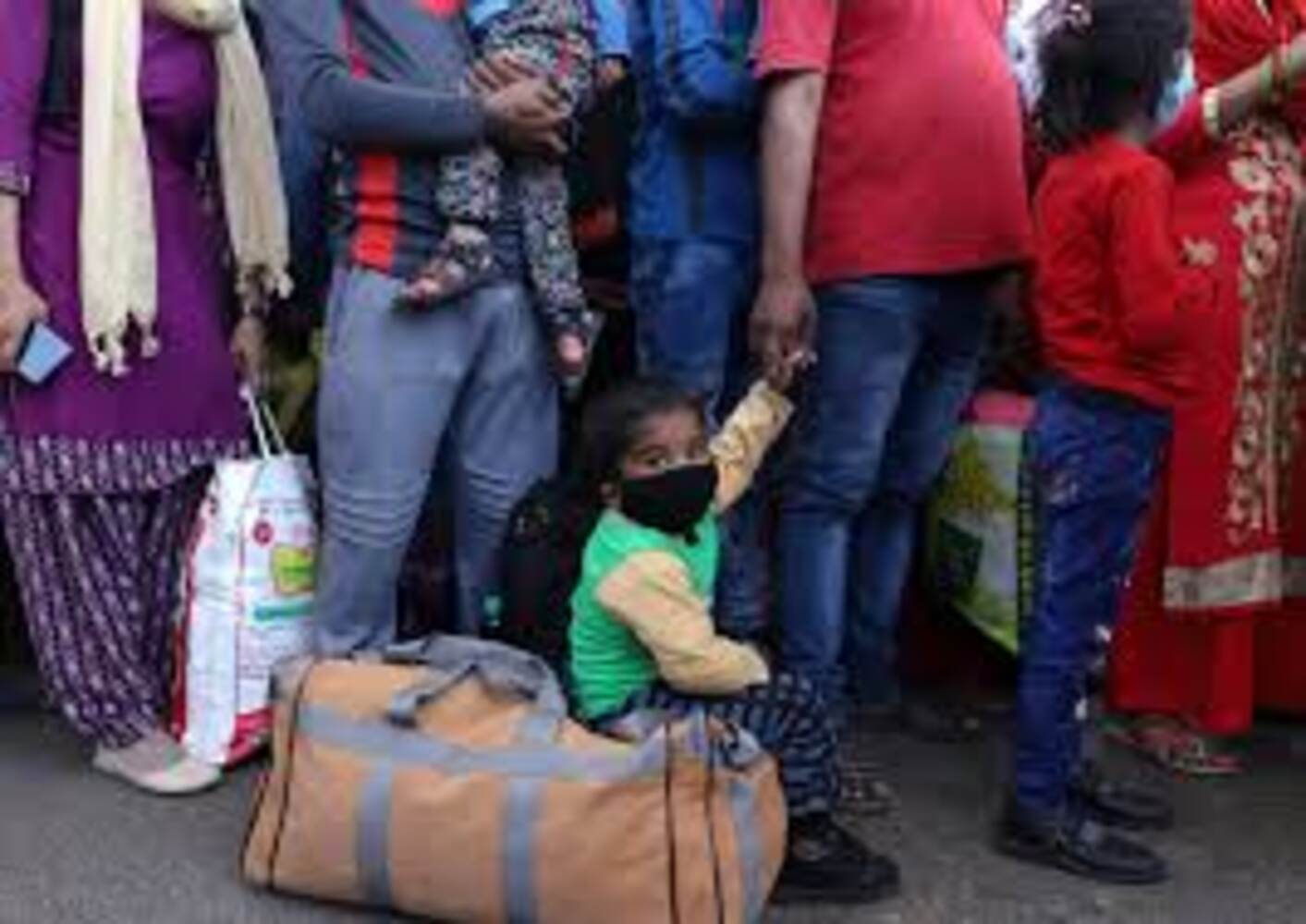
History shows that education is the first casualty of prolonged lawlessness. Families do not uproot children lightly. When parents move students across state borders in such massive numbers, it reflects a deep fear—not only of violence, but of ideological capture and institutional decay.
The closure of 3,000 schools is not an administrative statistic; it is a social catastrophe. Schools are stabilizing anchors of communities. Their disappearance accelerates migration, breaks intergenerational continuity, and creates an irreversible talent drain.
In constitutional terms, Article 21A, which guarantees the right to education, becomes hollow when citizens feel the state itself cannot guarantee safety within classrooms.
Industrial Paralysis: When Capital Follows Stability
Factories and industries do not operate on slogans; they respond to predictability, security, and rule of law. The reluctance of industries to set up operations in West Bengal is a direct verdict on governance climate.
Economic history is unambiguous:
Where political violence dominates streets, investment retreats
Where trade unions become instruments of coercion, employment collapses
Where appeasement overrides merit, productivity dies
This economic stagnation compounds social unrest, creating a vicious cycle: unemployment fuels polarization, which in turn justifies further appeasement and street-level intimidation.
Polarisation as Policy: From Social Fault Lines to Statecraft
Polarisation in West Bengal is no longer incidental—it is structural. The combination of vote-bank appeasement, unchecked infiltration (ghuspaithiya), and selective enforcement of law has hardened identities and fractured civic unity.
Historically, Bengal has suffered whenever political movements weaponized identity—whether during Direct Action Day when lakhs of Hindus were killed mercilessly on the streets , post-Partition violence, or ideological extremism of later decades. The lesson was clear: when the state abdicates neutrality, society fragments.
The present trajectory echoes that warning.
Religious Freedom and the Hindu Question
The assertion that religious freedom has been stolen from Hindus is not merely emotional—it reflects lived insecurity. Freedom of religion under Articles 25–28 is not selective. It is universal.
Yet when:
Religious processions are attacked or restricted
Temples are vandalized without swift justice
Festivals require permissions that others do not
Hindus feel compelled to leave neighborhoods for safety
The constitutional promise of equal religious liberty collapses in practice, even if it survives on paper.
A secular state does not mean selective silence. It means equal protection, not ideological favoritism.
Law, Order, and the Normalisation of Hooliganism
The reference to TMC hooliganism is not rhetorical excess—it describes a political culture where street power substitutes governance. When cadres become enforcers, democracy degenerates into intimidation.
Constitutionally, law and order is a state responsibility, not a party privilege. When citizens fear political affiliation more than criminals, democracy is functionally suspended.
This normalization of fear produces a chilling effect:
Citizens stop reporting crimes
Teachers avoid schools
Entrepreneurs withdraw
Families quietly migrate
An exodus does not announce itself with slogans. It leaves silently.
A Historical Warning Bengal Knows Too Well
West Bengal’s history offers painful precedents. Regions that ignored early signs of demographic anxiety, cultural marginalization, and political violence paid heavy prices. Once migration crosses a psychological threshold, return becomes unlikely.
The fear today is not imagined—it is inherited memory. Bengal has seen what happens when communities are forced to choose between dignity and displacement.
Constitutional Crisis, Not Just Political Opposition
This moment is not about replacing one party with another. It is about restoring constitutional balance. The Constitution does not mandate appeasement; it mandates equality. It does not protect hooliganism; it protects citizens.
When large sections of society feel:
Unrepresented
Unprotected
Unequal
The legitimacy of governance itself comes into question.
The Call for Immediate Change
The demand for immediate change of regime arises not from electoral ambition but from existential anxiety. When education collapses, industries flee, and religious freedom feels conditional, democracy demands correction.
Change, in this context, is not rebellion—it is constitutional self-defense.
Conclusion: The Last Exit Before Irreversible Damage
West Bengal is staring at a future where exodus replaces coexistence, silence replaces protest, and fear replaces faith in the Republic. This is the last exit before irreversible demographic, cultural, and economic damage.
History will not judge Bengal by slogans shouted today—but by whether it chose course correction when the warning signs were unmistakable. The crisis is real. The inflection point is now.
