

Poonam Sharma
As West Bengal slowly revs up for its 2026 Assembly polls, there is a significant political change in the offing—stealthy but deliberate. For the Bharatiya Janata Party (BJP), which has hitherto been unable to make an inroad into the state’s strongly rooted political and cultural strongholds, the next poll might be a game-changer. Prime Minister Narendra Modi’s recent rally in Durgapur, where his tone was uncharacteristically measured and culturally attuned, signaled not just a new electoral strategy, but perhaps an understanding of where the party faltered in 2021.
From Confrontation to Calibration
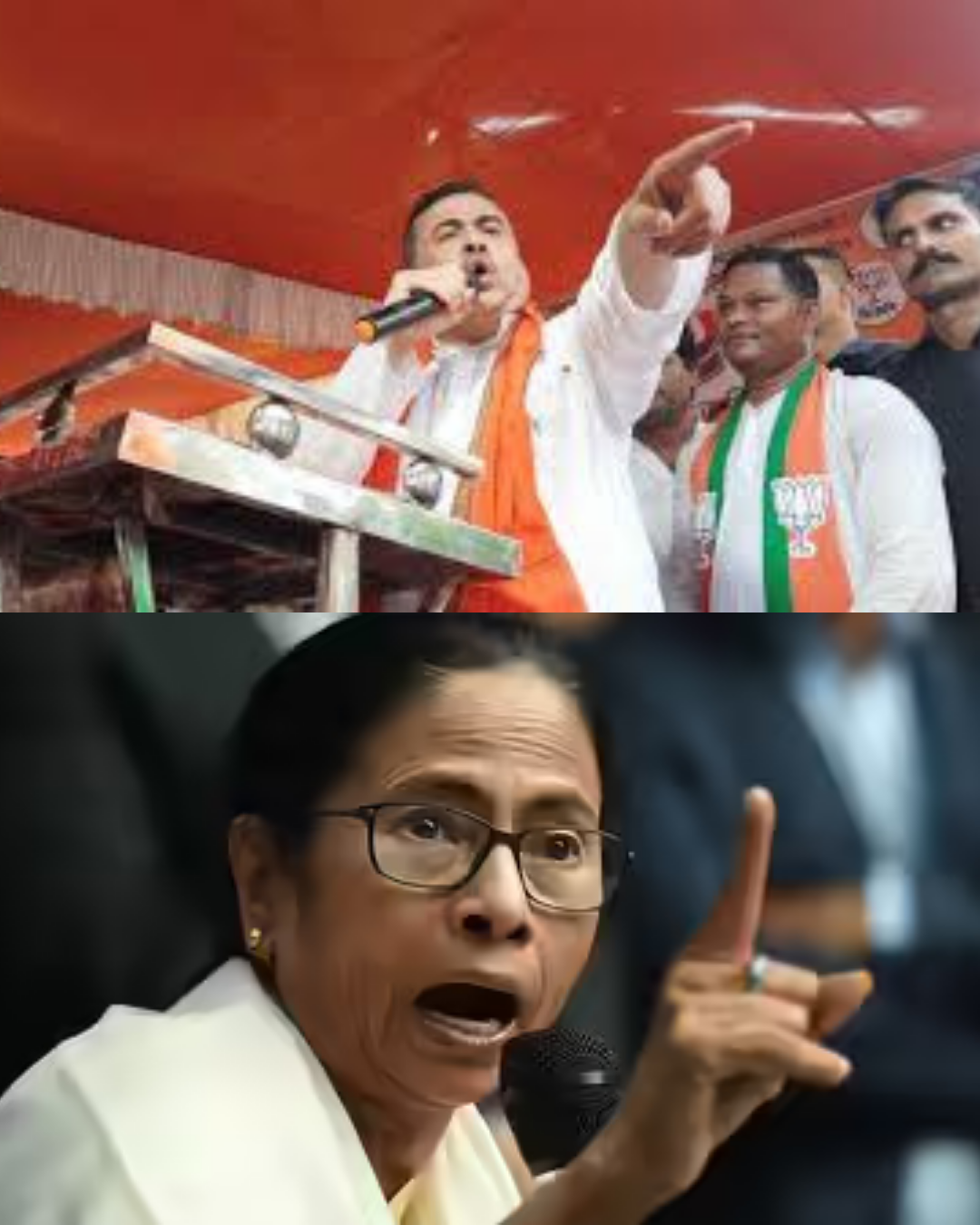
During the 2021 Assembly polls, the BJP took a very aggressive stance and targeted Mamata Banerjee personally. The election turned into a Modi vs Mamata fight, alienating the voter and enabling the Trinamool Congress (TMC) to turn the election into a Bengali identity referendum. This strategy failed. Anti-incumbency voters, even those who were disappointed with Mamata, shunned the BJP based on what they saw as arrogance of the outsider and cultural insensitivity.
However, 2025 seems different. Modi’s speech in Durgapur avoided personal barbs at Mamata. Instead, he chose to speak about issues—law and order, corruption, women’s safety, and the lack of industrial development. He invoked Bengali pride by praising Durga and Kali, and linked cultural symbols to real-life policy failures of the TMC. The focus was on the system, not the individual.
BJP’s Biggest Realisation: Don’t Fight Mamata, Fight Misgovernance
Political strategists now concede that the BJP’s initial strategy in Bengal miscalculated the symbolic value of Mamata Banerjee’s persona as “Bengal’s daughter.” Any direct criticism of her was promptly used by the TMC as a betrayal of Bengal. The new strategy is obvious: attack policy failures, not personality clashes.
In his address, Modi reminded everyone that during the tenure of Mamata, Bengal has witnessed industry and employment exodus. Youngsters are leaving the state, women don’t feel secure, and corruption scandals—particularly recruitment and infrastructure ones—have beleaguered the government. He tactfully pointed to the recruitment scam, teachers’ selection scandal, and cash recoveries from ministers’ residences, linking them to Bengal’s stagnation.
The question now is: will performance override identity in 2026?
The Cultural Turn: From ‘Jai Shri Ram’ to ‘Jai Ma Durga’
The most symbolic BJP Bengal campaign shift perhaps is from “Jai Shri Ram” to “Jai Ma Durga.” In 2021, “Jai Shri Ram” chants—though popular in the north of India—were, in the eyes of many Bengalis, imposition. The TMC milked this trope beautifully, portraying the BJP as culturally estranged.
But Bengal reveres its own icons—Durga, Kali, and the fierce feminine divine. Modi’s invocation of “Jai Ma Durga” and emphasis on the Shakti tradition indicates a new respect for Bengal’s spiritual identity. It shows the BJP has learned to speak the language of Bengal—not just literally, but metaphorically.
Enter the Gamechanger: The Voter List Purge
Under all the visible change is a quiet political upheaval—the Election Commission’s move to introduce Special Intensive Revision (SIR) of the voters’ rolls. This verification campaign is what will eliminate illegal or ineligible voters, particularly those who are suspected to be foreign nationals from Bangladesh or Myanmar. In a state where border infiltration is a recurring problem, this technical exercise can have significant political implications.
TMC’s fiefs in border constituencies are routinely blamed for being padded with illegal votes. The BJP asserts that such votes constitute a crucial plank for the TMC, as these voters are said to absorb en bloc out of fear or bribery. The political narrative of Mamata Banerjee frequently betrays this fear. The concept that the voters’ lists will now be purified has unsettled her party.
SIR is already sending shivers to Bihar with more than 35 lakh names said to be under the scanner. Once it hits Bengal, it may alter the electoral math in vital constituencies.
Corruption and Governance: The Unavoidable Debate
The BJP is now framing an argument connecting West Bengal’s economic slowdown directly to systemic corruption. From MGNREGA to PM Awas Yojana, central funds are reportedly siphoned off or re-christened at the state level, going against the rules of schemes. The Modi government has demanded that the next set of disbursements will be subject to accountability—work completion reports, audits, and verification.
The core argument is simple: without law and order, no investment will come. And without investment, joblessness will continue to rise. Bengal’s image as a hostile state for industry, a relic from the days of Left Front rule, persists even under TMC. Modi’s message is clear—Bengal deserves better.
The TMC’s Cultural and Political Dilemma
TMC continues to play its cards. Mamata Banerjee is still a powerful mass leader, particularly in rural Bengal. Her “outsider vs Bengali” story still resonates with some sections. But the charges of corruption and infighting within the party have started undermining the party’s moral high ground.
What is making the TMC’s position complicated is its reliance on illegal votes and local strongmen—both in the dock. The list of voters being purged, along with investigations at the center, might restrict its capacity to “manage” the election machinery as efficiently as before.
The Verdict Approaches
As 2026 draws near, the Bengal election is turning into not merely a fight between parties but between visions: one of identity politics that protects corruption in the cloak of culture, and the other of development-driven governance with a root in cultural respect and administrative reform.
Whether the BJP is able to actually capitalise on this re-tuned strategy is yet to be seen. But for the first time, the war for Bengal is being fought in Bengal’s interests—not as an imposition, but as an inclusion. And that might be the BJP’s greatest lesson and strength in the future.
