
US Treasury Sec says India ties complicated due to slow trade talks, not Russian oil

By Anjali Sharma
WASHINGTON – US Treasury Secretary Scott Bessent said on Wednesday that the current India-US relationship were “complicated”, one, a largest democracy, and the other largest economy “will come together at the end of the day,” as the US President Donald Trump imposed additional 25% tariff on India which came into effect on August 27.
He asserted that India buying the Russian Federation oil is not the only thing that has affected the relationship between the two countries but also the slow progress of the trade deal.
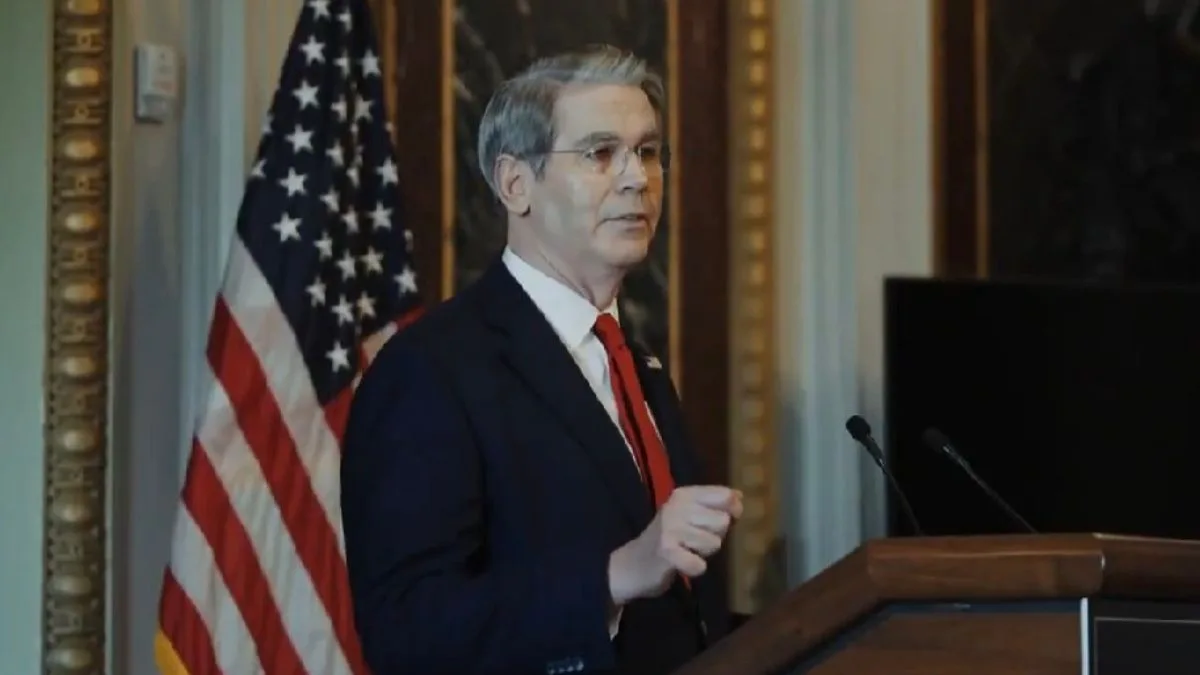
“This is a complicated relationship. President Trump and Prime Minister Modi have a very good relationship at that level. It’s not just over the Russian oil. The Indians came in early after Liberation Day to start negotiating on tariffs and we still don’t have a deal. I thought we would have a deal in May or June. I thought India could be one of the earlier deals and they kind of tapped us along in terms of the negotiations and then there is also the aspect of the Russian crude purchases which they’ve been profiteering on,” Bessent said in an interview with the news outlet Fox Business.
His remarks came on the day the 25 per cent additional tariffs on Indian goods came into effect, marked one of the steepest trade measures against any American partner.
The total tariffs on Indian imports to the United States have doubled to 50 per cent.
Trump administration initiated a 25% “reciprocal” tariff on Indian imports, aimed to address trade imbalances and stalled negotiations.
He put an additional 25% tarif imposed as a punitive measure over India’s continued purchase of Russian oil, raising the cumulative tariff level to 50 per cent.
Narendra Modi has vowed to deal with the economic blow by promising tax cuts and pushing for greater domestic self-reliance to offset the impact of the tariffs.
Trump labeled India the “tariff king” and accused it of being a “big abuser” of trade cited India’s trade-weighted average tariff of around 12 per cent, compared to the U.S. rate of 2.2 per cent.
Both nations were said to be in the final stage of negotiations for a bilateral trade agreement before Trump announced tariffs on India.
New Delhi has expressed its willingness to go ahead with the trade deal, it has drawn several red lines, particularly concerning the interests of farmers and small producers.
