

Poonam Sharma
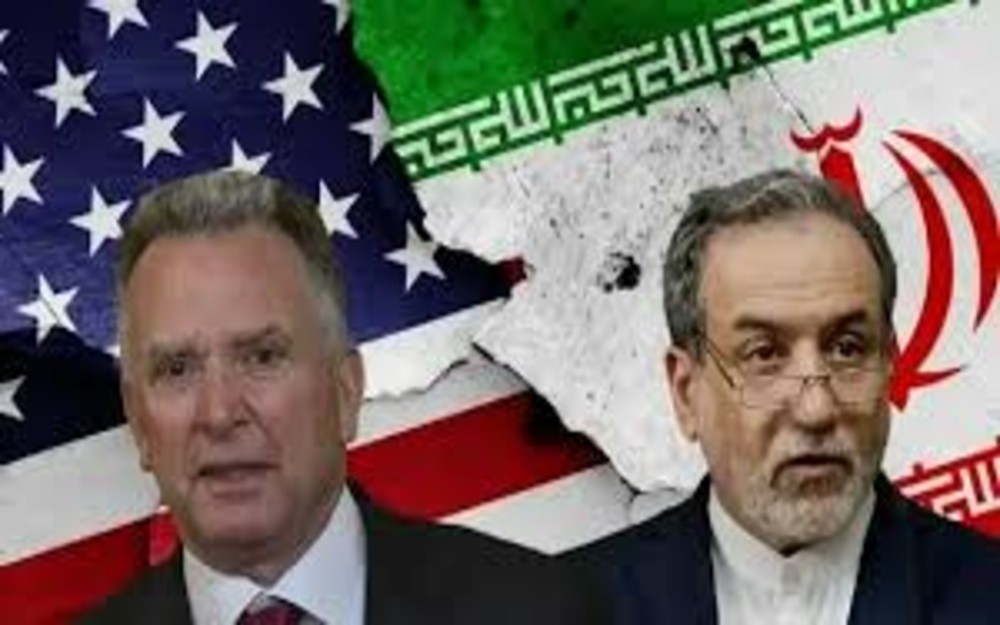
Tensions between the United States and Iran have once again returned to the center of global politics. New negotiations over Iran’s nuclear program have begun in Muscat, Oman, at a time when Donald Trump has openly threatened military strikes and even hinted at regime change. At the same time, Iran has witnessed weeks of mass protests, met with a harsh crackdown by state forces.
Diplomacy Versus Military Threats
The current moment as deeply contradictory. While Washington signals interest in talks, it simultaneously escalates rhetoric about the use of force. Such dual messaging creates confusion and instability. Military threats tend to empower hardliners within Iran and weaken reformist voices. If negotiations remain limited to nuclear issues alone, they risk ignoring the deeper political and social crises facing the country.
Protests, Repression, and the People’s Struggle
The recent protests in Iran have been driven by economic hardship, unemployment, political repression, and demands for personal freedoms. Human rights organizations report thousands of deaths, injuries, and arrests. The Iranian government has claimed foreign involvement in the unrest, but independent reporting indicates that the movement is largely grassroots. For protesters, foreign threats can be dangerous, as they allow authorities to frame dissent as terrorism or foreign-backed subversion, justifying harsher crackdowns.
Historical Memory and the Path Forward
The legacy of the 1953 U.S.-backed coup against Prime Minister Mohammad Mosaddegh continues to shape Iranian perceptions of American intentions. This history fuels skepticism toward any talk of regime change. Many Iranians who oppose their own government also reject U.S. military intervention, fearing it would undermine their struggle and lead to widespread civilian suffering. Peace advocates argue that the international community must hold two truths at once: supporting the Iranian people’s demands for dignity and freedom, while rejecting war and coercive policies that harm ordinary citizens. Diplomacy, human rights-focused engagement, and sustained dialogue remain the most credible path toward de-escalation.
Although the current talks may not yield immediate breakthroughs, they reopen channels of communication in a region long defined by hostility. The real test will be whether global powers can move beyond narrow security concerns and engage with the broader aspirations of the Iranian people.
