

By Anjali Sharma
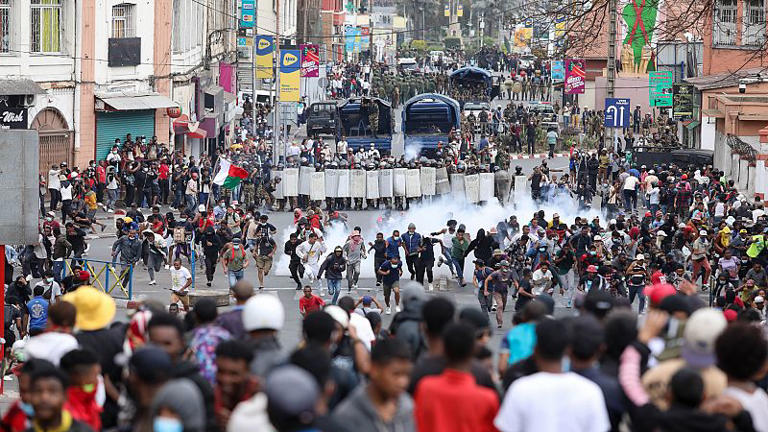
UNITED NATIONS – UN head António Guterres on Wednesday has stressed the need for dialogue in Madagascar as anti-government demonstrations are going on in the third week.
UN Spokesperson Stéphane Dujarric said on Wednesday in a statement issued in New York “The Secretary-General has been closely following the situation in Madagascar and is deeply saddened by the tragic loss of life and destruction of property since the beginning of the youth-led protests on 25 September.”
Mr. Guterres extended his heartfelt condolences to the families of the victims and called on the authorities to comply with international human rights law, the statement said.
“The Secretary-General also underscores that protests must take place in a peaceful manner, respecting life, property and the rule of law, and calls for dialogue towards forging a constructive path forward,” the statement concluded.
According to media reports thousands of young people in Madagascar initially took to the streets to denounce persistent water and power outages, inspired by similar “Gen Z” protests in Kenya, Nepal and elsewhere.
The demonstrations have grown to reflect disappointment over other issues including poverty and corruption, media reports stated.
The president fired his government and on Monday appointed an army general as the new Prime Minister, but the protestors gave him a 48-hour ultimatum to resign and rejected his call for a national dialogue on Wednesday.
UN human rights office, OHCHR reported that at least 22 people have been killed and more than a hundred injured in the protests.
“The victims include protesters and bystanders killed by members of the security forces, but also others killed in subsequent widespread violence and looting by individuals and gangs not associated with the protesters,” it said.
OHCHR chief Volker Türk expressed shock at the violent response by security forces.
He urged the authorities “to ensure respect for freedom of expression and peaceful assembly, consistent with their obligations under international human rights law.”
