

By Anjali Sharma
UNITED NATIONS – The Executive Director of the UN Office for Project Services Jorge Moreira da Silva on Tuesday briefed the reporters in New York said that over 6 million people remain in urgent need of assistance, after devastating quakes 3 months ago compounds a humanitarian crisis driven by years of conflict, political turmoil and mass displacement.
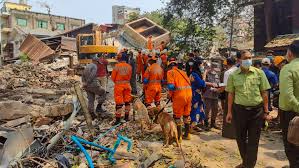
UN estimated that on 28 March quake measured 7.7 on the Richter scale, struck central regions with deadly force, killed 3,800 people and injured over 5,000.
The disaster devastated infrastructure and homes across Mandalay, Sagaing and Magway, displacing tens of thousands more in a country already grappling with over 3.2 million internally displaced persons since the 2021 military coup.
Jorge Moreira da Silva said that “Communities are still reeling from the earthquakes the strongest the country has experienced in a century,”.
“The devastation caused by the quakes compounded the existing challenges of conflict, displacement and severe humanitarian needs.”
UNOPS maintains the largest UN presence in Myanmar with 500 staff, mobilized $25 million within weeks of the disaster and has reached half a million people with lifesaving support.
“My colleagues worked swiftly with partners to deliver emergency shelters, clean water, and deploy infrastructure specialists for rapid assessments,” Mr. da Silva said.
He warned that far greater international support is needed to meet the scale of needs.
World Bank estimates total damages at $11 billion, with full reconstruction expected to cost two to three times more.
Over 2.5 million tonnes of debris must also be cleared to enable recovery.
Mr. da Silva emphasized that reconstruction must be people-centred, inclusive, and linked to peacebuilding efforts.
“We echo calls from across the UN for an end to violence,” he said. “Recovery and reconstruction should support Myanmar’s journey to peace and reconciliation. Protection of civilians must be a priority.”
The humanitarian fallout has hit women and girls hard many were among those killed or injured and now face growing protection risks.
According to the UN reproductive health agency, UNFPA, more than 4.6 million women of reproductive age – including over 220,000 currently pregnant – are at heightened risk.
Damage to health facilities, worsened by monsoon flooding and insecurity, has disrupted access to emergency obstetric care and menstrual hygiene. Gender-based violence is rising sharply in overcrowded, poorly lit shelters.
The risk of waterborne diseases such as cholera and vector-borne illnesses like dengue and malaria is also rising.
According to the World Health Organization no major outbreaks had been reported as of 31 May, cases of acute watery diarrhoea and skin infections are ticking up.
Monsoon rains have worsened conditions in temporary shelters, where overcrowding and poor sanitation raise serious health concerns. Mental health remains fragile, with 67 per cent of respondents in a recent survey reporting emotional distress linked to the quake and ongoing conflict.
WHO and its partners have delivered more than 300,000 vaccine doses including tetanus and rabies – but access remains limited, and health services underfunded.
UNHCR stated 3.25 million people remain displaced within Myanmar since the military coup of February 2021, with at least 176,000 seeking refuge in neighboring countries.
Myanmar remains one of the world’s deadliest countries for landmines and explosive remnants of war.
In 2024 alone, 889 casualties were reported raising fears the toll could surpass the record 1,052 deaths and injuries documented in 2023.
