

By Anjali Sharma
UNITED NATIOS- UN Assistance Mission in Afghanistan and the Office of the UN High Commissioner for Human Rights reported on Thursday that Afghans returning to their country face “serious violations” of their human rights committed by the Taliban de facto authorities, according to a UN report published after mass deportation campaigns from Iran and Pakistan.
According to the UN Assistance Mission in Afghanistan and the Office of the UN High Commissioner for Human Rights these abuses include threats, cases of torture, mistreatment and arbit rary arrest and detention.
The report said these violations were committed against Afghans “based on their profile” and targeted women, media workers and civil society members as well as individuals affiliated with the former government that fell in 2021 and its security forces, despite the Taliban’s claims that such individuals benefit from an amnesty.
Volker Türk, the UN High Commissioner for Human Rights said “No one should be returned to a country where they are at risk of being persecuted because of their identity or personal history”.
“In Afghanistan, this situation is even more pronounced for women and girls, who are subjected to a series of measures that amount to persecution solely on the basis of their gender.”
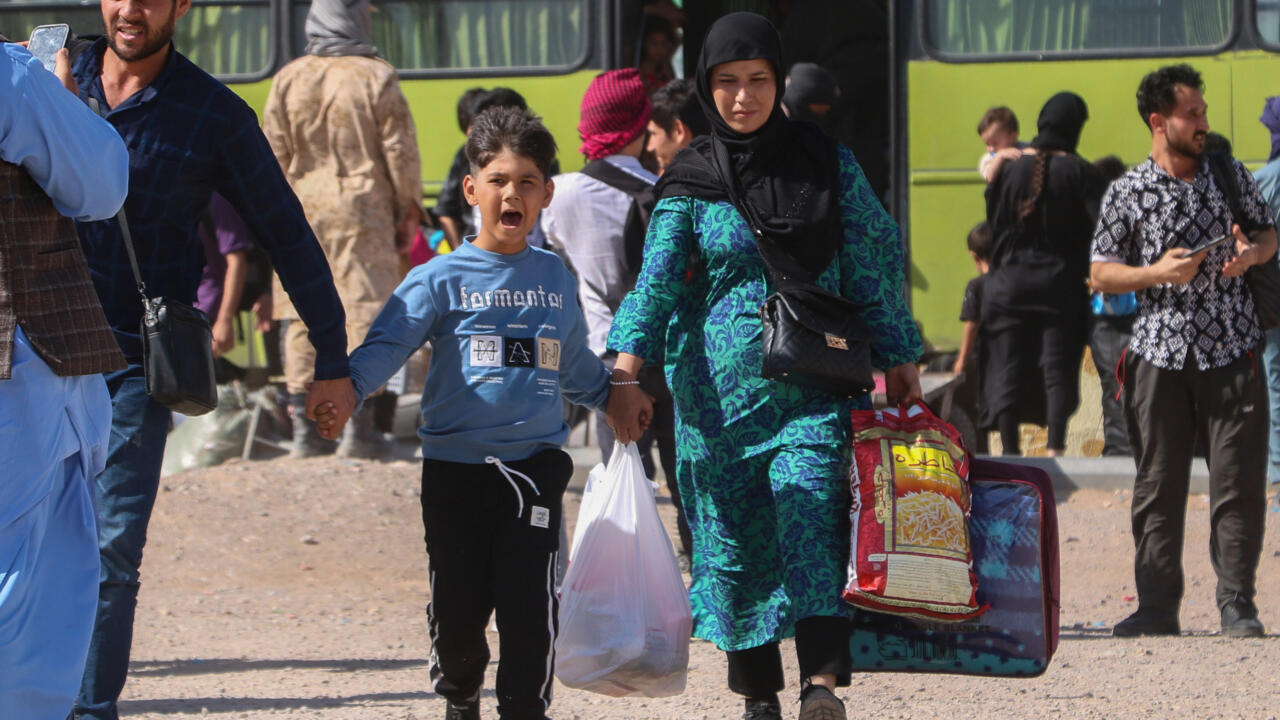
Since 2023 and the start of large-scale deportation campaigns launched by Iran and Pakistan, millions of Afghans have returned to their country. In 2025 alone, more than 1.8 million people have returned to Afghanistan, 1.5 million of them from Iran.
UNHCR estimated that the total could reach three million by the end of the year, returning to a country facing a severe humanitarian crisis.
The situation of women forcibly returned is particularly dire.
A former television journalist, who left the country after the Taliban’s takeover in August 2021, described how, after being involuntarily returned to Afghanistan, she saw her prospects vanish.
“I am very worried for my personal safety and feel immense frustration with the current situation imposed on women in [my province]. I can unequivocally say that I am effectively under house arrest. There are no job opportunities, no freedom of movement and no access to education – whether to learn or to teach – for women and girls,” she testified.
Many people are also forced to live in hiding since returning to Afghanistan due to real or feared threats from the de facto authorities. This is the case for individuals affiliated with the former government and its security forces, who have had to go into hiding for fear of reprisals, despite the public amnesty announced by the de facto authorities.
A former official described how, after returning in 2023, he was detained for two nights in a house where he was severely tortured, beaten with sticks, cables and wood, subjected to water torture and faced a mock execution.
Other refugees returned from Iran must frequently change locations to avoid being identified, such as one former judge.
“I try to stay hidden because I know that the prisoners who were detained because of my decisions are now senior government officials and are still looking for me. If they find me, I’m sure they’ll kill me. They already threatened me when I was a judge,” they said.
UN is urging States not to return anyone to Afghanistan who faces a real risk of serious human rights violations faced with these serious abuses.
“Member States should expand resettlement opportunities for at-risk Afghans and ensure their protection, giving priority to those most likely to suffer human rights violations if returned to Afghanistan, including women and girls, individuals affiliated with the former government and security forces, media professionals, civil society activists and human rights defenders,” the report said.
