

By Anjali Sharma
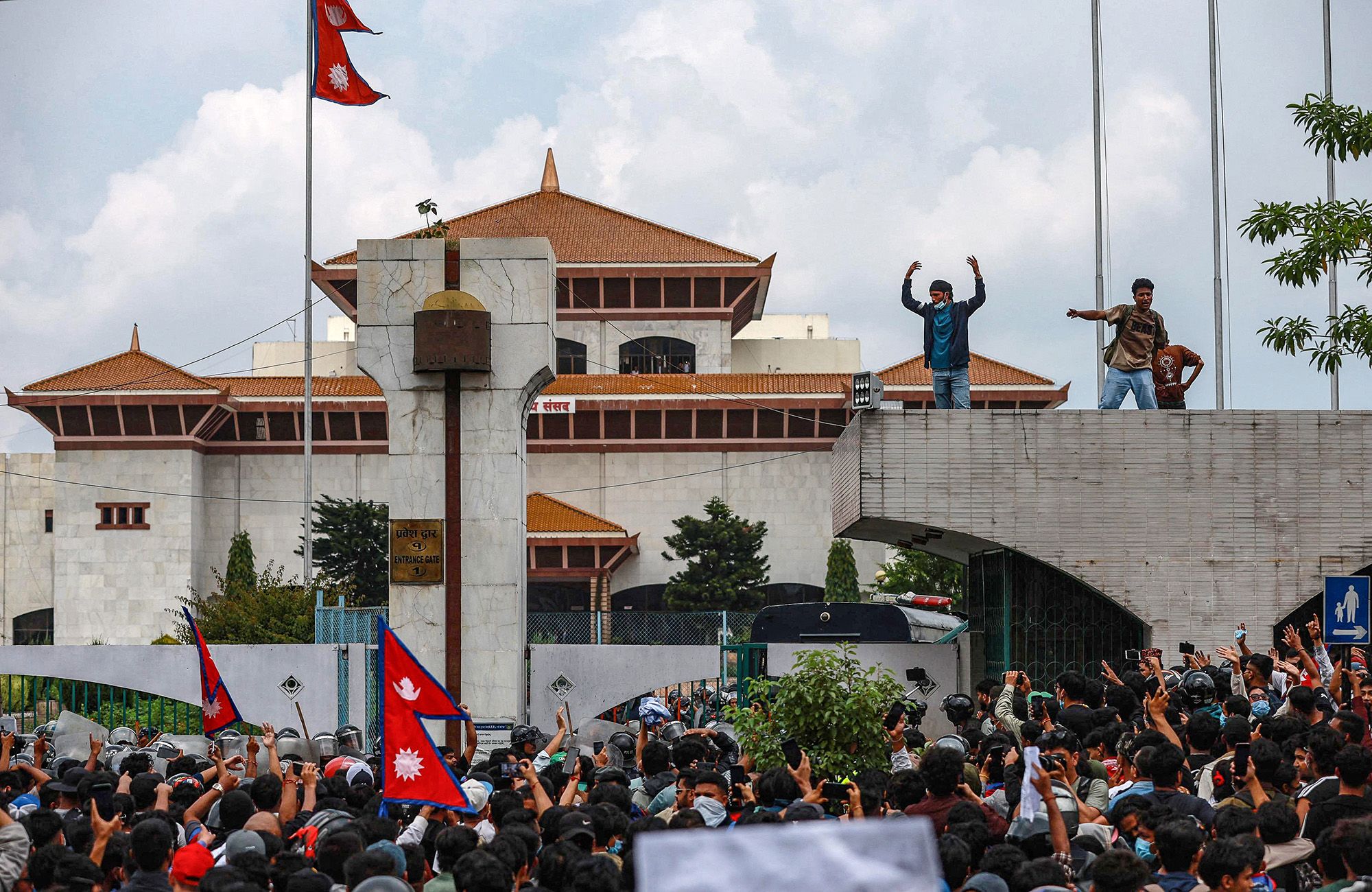
UNITED NATIONS – UN agencies on Monday reported that at least 15 people have been killed in Nepal, and over 100 injured, in large-scale youth protests that erupted in Kathmandu and other cities after a Government ban on social media platforms.
According to media reports police used tear gas and opened fire on protesters attempted to storm the parliament complex in Kathmandu.
Curfews have been imposed in parts of the city and in Rupandehi, with restrictions on movement effective in Pokhara, media reported.
UN Resident Coordinator Hanaa Singer-Hamdy described the situation as “so unlike Nepal” and feared that casualty numbers will rise.
“Lots of my staff here are crying,” she told UN News in an interview. “They haven’t seen violence in their lifetime.”
The protests came just days after the Nepalese Government blocked more than 20 social media platforms such as WhatsApp, X and Facebook, as well as websites such as YouTube, for failing to register with the authorities, media stated.
“The Government wanted them to align to the internal laws as well because they have been concerned about misinformation, hate speech and social harmony, and to ensure oversight and monitoring,” she said.
“However, the decision was widely criticized as being too broad and has been perceived by many, particularly young people who are very global, like all parts of the world now, they consider this as a restriction on freedom of expression and access to digital spaces.”
Ms. Singer voiced deep concern for the safety of civilians and underscored the urgent need to ensure unrestricted medical access to the injured.
“The immediate priority now is the protection of civilians, particularly young people who are at the forefront of the protests,” she said.
She said social media came back online shortly before the interview.
Ms. Singer posted a message on X called upon all parties to exercise maximum restraint, adhere to basic principles on use of force and firearms, and ensure that people can safely and peacefully exercise their democratic rights.
“The most important now is unrestricted access to medical care as well for those that are injured, if needed,” she said.
UN agencies are monitoring developments closely inside Nepal.
They are preparing health and other forms support if needed and stand ready to facilitate dialogue, she said.
Ms. Singer added “Our role really is to remind everybody to ensure the protection of civilians, safeguard fundamental freedoms, and support Nepal in its commitment to international human rights norms and standards.”
