

By Anjali Sharma
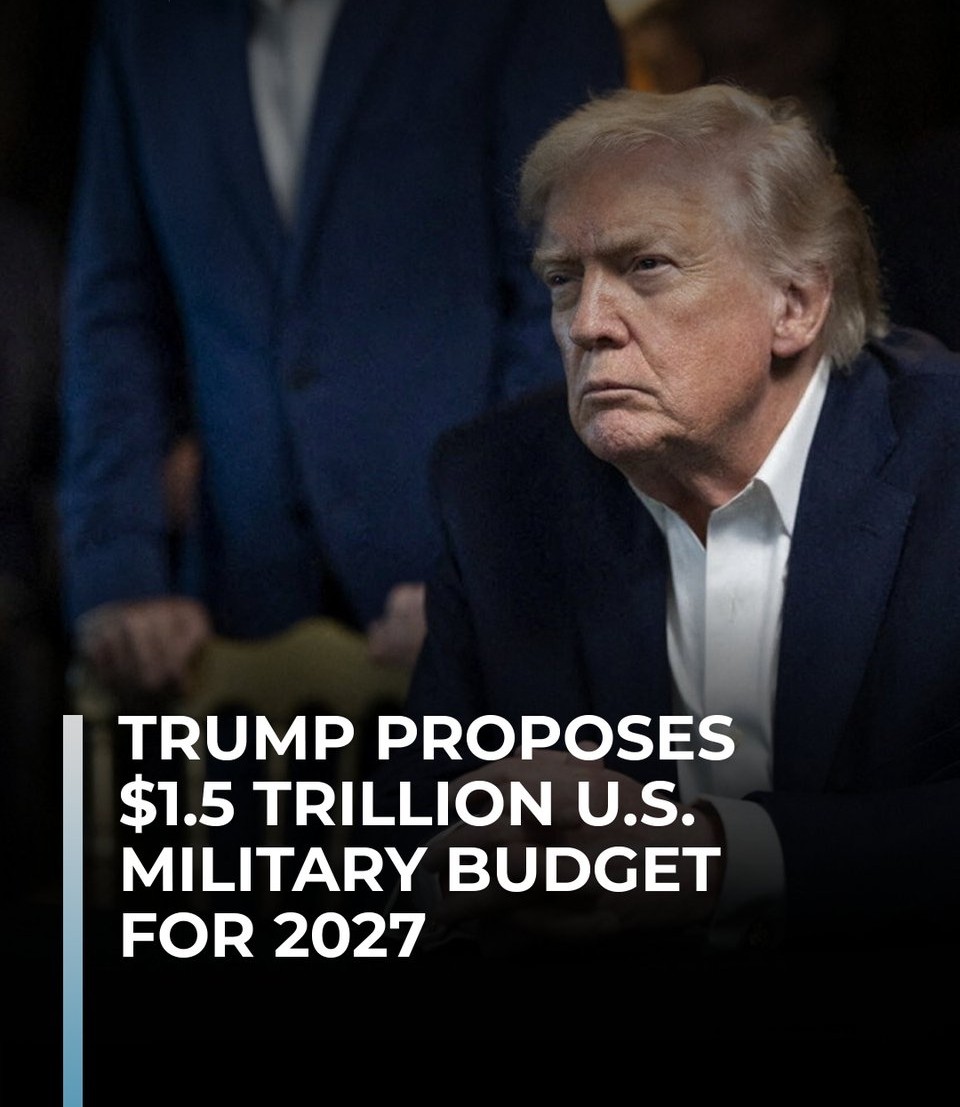
WASHINGTON 9th January –U.S. President Donald Trump on Wednesday unveiled a proposal to raise the annual U.S. military budget to $1.5 trillion in fiscal year 2027, a dramatic increase from the roughly $901 billion allocated for 2026, in what he described as a response to “very troubled and dangerous times.”
In a post on his Truth Social platform, Trump said after “long and difficult negotiations” with lawmakers and administration officials that the United States must prioritize national security by building what he called a “Dream Military” capable of deterring any adversary. He framed the substantial increase as necessary to keep the country “safe and secure, regardless of foe,” pointing to rising global geopolitical risks and recent military operations.
The proposed $1.5 trillion figure, if approved by Congress, would break historical records for U.S. defense spending and mark a more than 50% increase over the current budget. Trump argued that revenues generated from tariffs imposed on imports give the government sufficient fiscal room to absorb such an expansion. He suggested that tariff income, which has surged in recent years, could not only support defense outlays but also help reduce national debt and contribute to potential dividend payments to Americans.
Trump’s timing comes just days after a high-profile U.S. military operation in Venezuela in which Venezuelan President Nicolás Maduro was captured and brought to the United States on drug trafficking charges. The operation has heightened tensions with governments across the region and prompted debate in Washington over the scope of presidential war powers and U.S. military engagement abroad.
Critics of the proposal, including fiscal watchdogs and some lawmakers, warn that such a massive rise in spending could significantly widen the federal deficit and increase long-term debt burdens. They have also questioned whether reliance on tariff revenue is realistic given broader economic pressures.
The next step for the budget proposal is review and approval by the U.S. Congress, where lawmakers from both parties will weigh national security arguments against concerns about fiscal sustainability and foreign policy direction. Congressional authorization will be essential before any new levels of military spending can be enacted.
