
Tribute to Birsa Munda: Delhi Holds Tribal Pride Lecture Series
Scholars highlight tribal heritage, resistance and cultural contributions

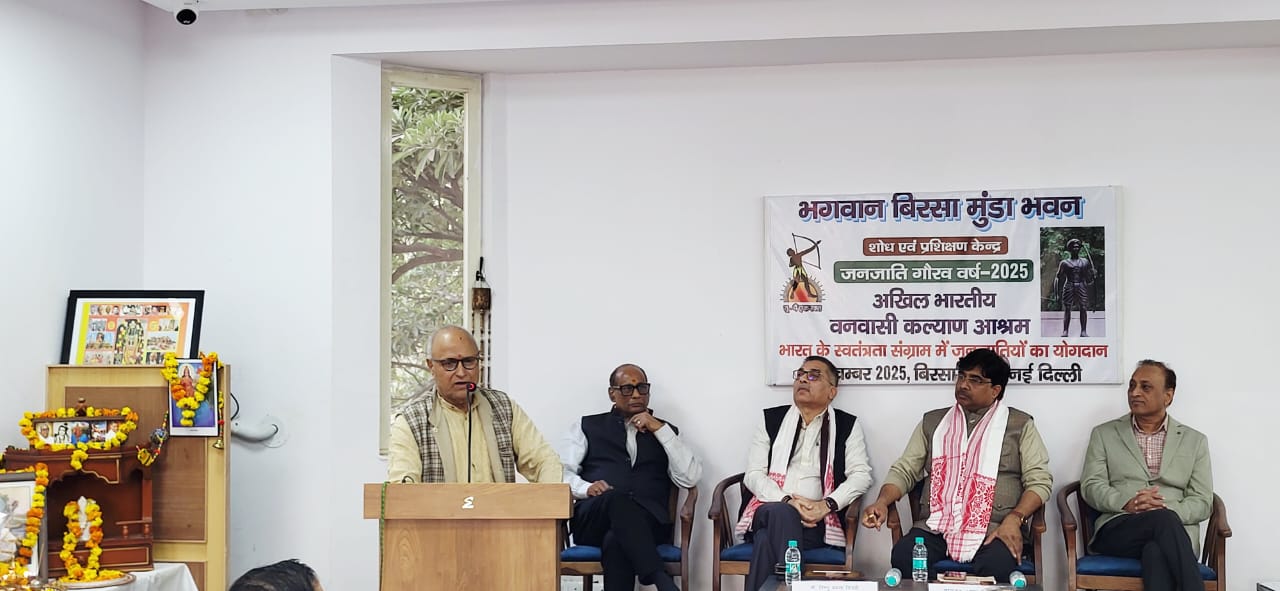
- Delhi hosts lecture series on Tribal Pride Year and Birsa Munda’s 150th anniversary.
- Speakers call for renewed perspectives on tribal resistance movements.
- Sessions underline tribal contributions to civilisation and national security.
- Event urges deeper research and stronger media portrayal of tribal culture.
GG News Bureau
New Delhi, 6th Dec: A special lecture series was organised in New Delhi to commemorate Tribal Pride Year and the 150th birth anniversary of Bhagwan Birsa Munda. The event was jointly hosted by Bhagwan Birsa Munda Bhavan (Tribal Research and Training Centre), Akhil Bharatiya Vanvasi Kalyan Ashram, and Shyam Lal College of Delhi University. Academicians, researchers, students and representatives associated with tribal welfare participated in the two-session programme, which honoured the legacy, courage and sacrifice of India’s tribal freedom fighters.
The event began with a traditional lamp-lighting ceremony. Shri Vishnukant, All India Joint General Secretary of the Vanvasi Kalyan Ashram, introduced the theme of the lecture series and outlined the objectives and future plans of the Tribal Research and Training Centre.
In the first session, Dr Anand Burdhan, senior faculty member at Dr B.R. Ambedkar University, said tribal uprisings against British colonialism must be viewed through a broader civilisational lens. He emphasised that these struggles were not limited to disputes over land and resources, but were fought to preserve cultural identity, traditional worship practices and an Indian way of life. Session chair and journalist Shri Vishnu Prakash Tripathi said India’s tribal communities have preserved their core values and traditions, and stressed that the media has a responsibility to bring these stories to the broader public.
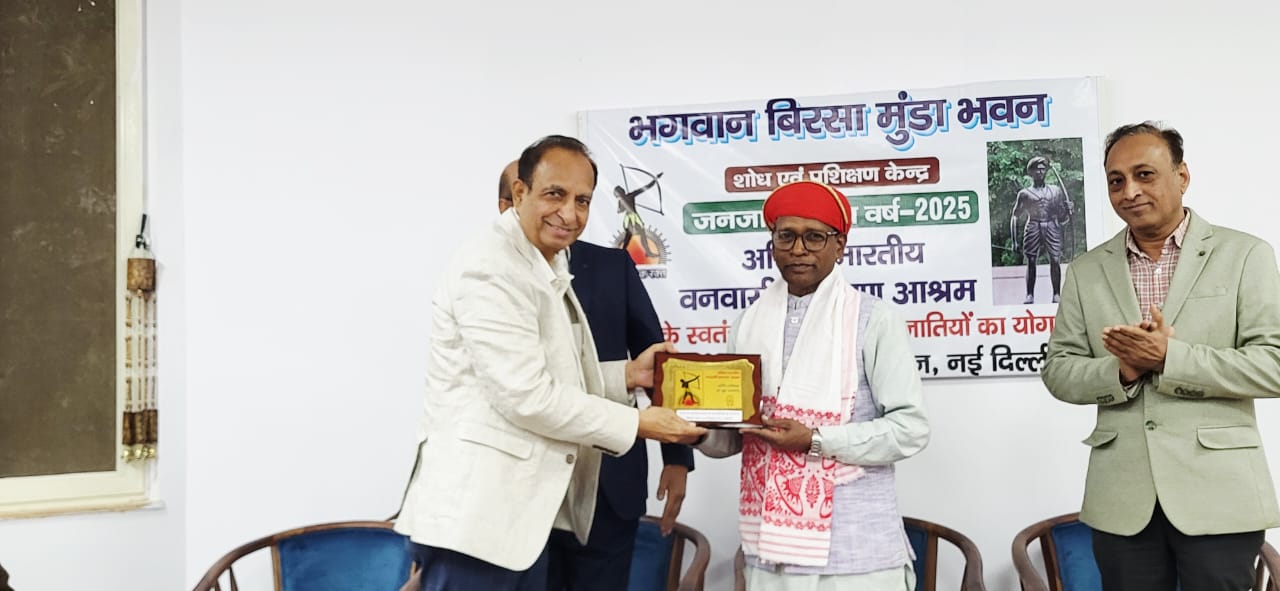
The second session featured Shri Satyendra Singh, National President of the Vanvasi Kalyan Ashram, who highlighted the enduring contributions of tribal freedom fighters across the country. He said India’s civilisational roots are deeply embedded in the traditions and customs of its tribal communities, making their preservation vital. Session chair Major General (Retd) Dhruv C. Katoch said tribal communities have historically defended India against external threats and continue to play a crucial role in internal and external security. He called for national-level recognition of their contributions.

The programme concluded with a collective appeal to expand research on tribal history, promote positive media representation of tribal culture and preserve the legacy of Birsa Munda and other tribal icons. The organisers underscored that tribal heritage remains a foundational element of India’s cultural and national identity.
