
Top officials warns relief aid needs remain high despite reduced violence in Syria

By Anjali Sharma
UNITED NATIONS – Head of UN political affairs Rosemary DiCarlo and Joyce Msuya, Deputy Emergency Relief Coordinator on Thursday briefed the members of the UN Security Council stated that humanitarian needs in Syria remain immense despite a year of reduced violence and political change, with millions still displaced, basic services strained and funding shortfalls threatening aid operations.
Rosemary DiCarlo and Joyce Msuya said Syrians have made tangible progress over the past year.
They noted that the country’s recovery after the fall of the Assad regime in December 2024 remains fragile and uneven, requiring sustained international support.
UN officials said that one of the clearest signs of change has been the large-scale return of displaced Syrians.
Over 2 million people displaced inside Syria have gone back to their areas of origin, while over 1.3 million refugees have returned from neighboring countries.
“Two million people displaced within Syria have returned – many after living for years in camps, in precarious conditions,” Ms. Msuya said.
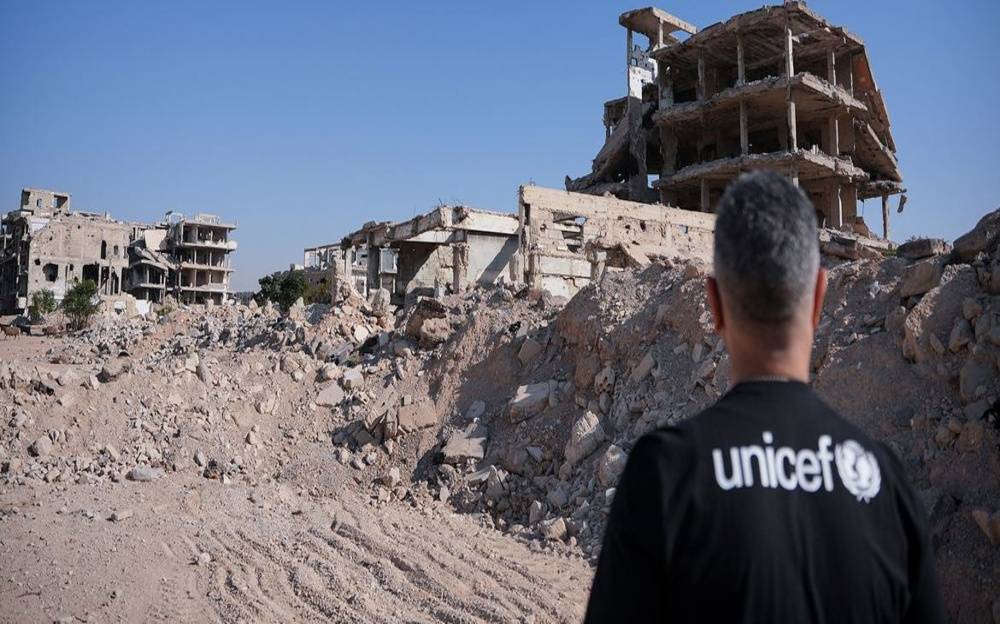
She said many returnees are coming back to damaged or destroyed homes, with limited access to electricity, water, healthcare or jobs.
Millions more remain displaced, with many families hesitant to return due to the lack of housing and services, especially during the winter months.
The humanitarian assistance remains critical, even as the UN seeks to gradually reduce one of its largest aid operations worldwide.
Ms. Msuya said the UN has been able to streamline its humanitarian response over the past year, reaching about 3.4 million people per month 25 per cent more than last year despite lower funding.
She warned that the humanitarian appeal for 2025 is only about 30 per cent funded, forcing difficult prioritisation decisions and leaving millions without assistance.
“With the scale of the needs and the time required for development efforts to take hold, we also need support to sustain and expand humanitarian assistance in the near term,” she said.
She noted that the easing of sanctions by several countries has helped facilitate procurement and financial transactions for aid operations and could support Syria’s longer-term recovery if sustained.
