


In today’s fast-paced world, stress, anxiety, and sleepless nights have become a part of everyday life. Many turn to meditation, yoga, or nature walks to find peace. But one of the oldest and most powerful tools for healing has always been with us—sound. From a mother’s lullaby to temple chants, from the soothing notes of a flute to the hum of mantras, sound has calmed minds and hearts for centuries.
What is Sound and Why It Matters
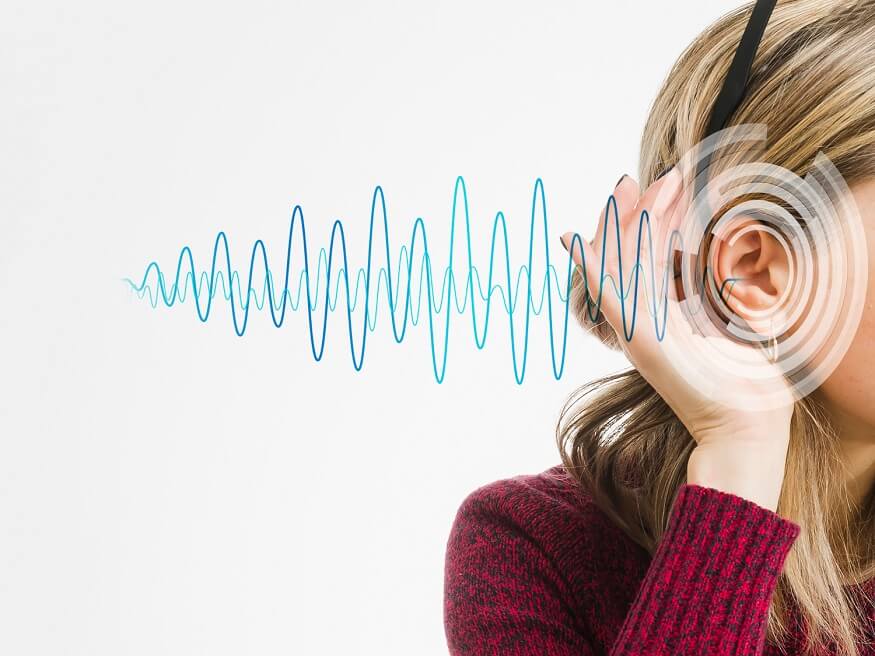
Sound is energy moving in waves. It enters our ears and is interpreted by the brain, shaping how we feel. A sudden loud noise can raise your heartbeat, while gentle rain can bring instant peace. Vibrations affect the nervous system, heartbeat, and emotions, creating what we call “positive vibes.” Pleasant sounds and calming music balance the mind, while noise pollution can heighten stress and health issues.
The Science of Sound Therapy
Modern science confirms that sound frequencies guide the brain into healthier states through brain waves:
-
Alpha (8–14 Hz): Relaxation, calm focus, meditation
-
Beta (14–30 Hz): Alertness, problem-solving
-
Gamma (30–100 Hz): Memory, creativity
-
Theta (4–7 Hz): Deep relaxation, intuition
-
Delta (0.5–4 Hz): Deep sleep and restoration
Tibetan bowls, gongs, flutes, and digital frequencies can “tune” the brain, just like a guitar needs tuning to play in harmony.
Effects on Mental Health
Sound healing offers global benefits:
-
Reduces stress and anxiety
-
Improves sleep
-
Sharpens focus
-
Balances emotions
-
Boosts memory and creativity
-
Deepens spiritual connection
Ancient Wisdom Across Cultures
-
India: Bells, conch shells, “Om” chanting, flute, veena
-
Greece: Music and theater for emotional healing
-
China: Guqin for balance and moral strength
-
Indigenous traditions: Drums and chants to connect with nature and ancestors
Religions echo this power—church bells, Islamic azaan, Buddhist chants, and Vedic mantras all elevate the spirit.
When and What to Listen
-
Morning: Mantras, chants, soft music
-
Afternoon: Nature sounds, flute
-
Evening: Classical ragas, gentle tunes
-
Night: Delta-wave music, rain sounds, lullabies
-
For anxiety: Ocean waves, Tibetan bowls, guided meditation
How to Use Sound for Mental Wellbeing
-
Choose calming sounds; avoid harsh music
-
Follow a routine—morning energy, evening relaxation
-
Use headphones for binaural beats
-
Start with 10–15 minutes daily
-
Notice what sounds energize or calm you
-
Pair sound with slow breathing
-
Play delta-wave music for better sleep
-
Try Tibetan bowls or ocean sounds for anxiety
-
Use instrumental or alpha beats for focus
-
Create a personal “sound corner”
A Timeless Message
From ancient sages to modern neuroscience, the message is clear: sound heals. In today’s noisy world, what we listen to matters as much as what we eat. Healing vibrations ease anxiety, improve sleep, sharpen focus, and bring inner balance.
As Indian sages taught, the universe began with a sound—Om. By truly listening, we discover that sound not only harmonizes the world but restores balance within us.
