
“The Attack Was on India, Not the Government” – Javed Akhtar
Javed Akhtar Welcomes Opposition’s Role in Outreach Post-Pahalgam Attack

GG News Bureau
Mumbai, 27th June: Celebrated lyricist and screenwriter Javed Akhtar has welcomed the inclusion of opposition leaders such as Shashi Tharoor and Asaduddin Owaisi in the outreach delegations following Operation Sindoor, calling it a unifying moment for India in the aftermath of the Pahalgam terror attack.
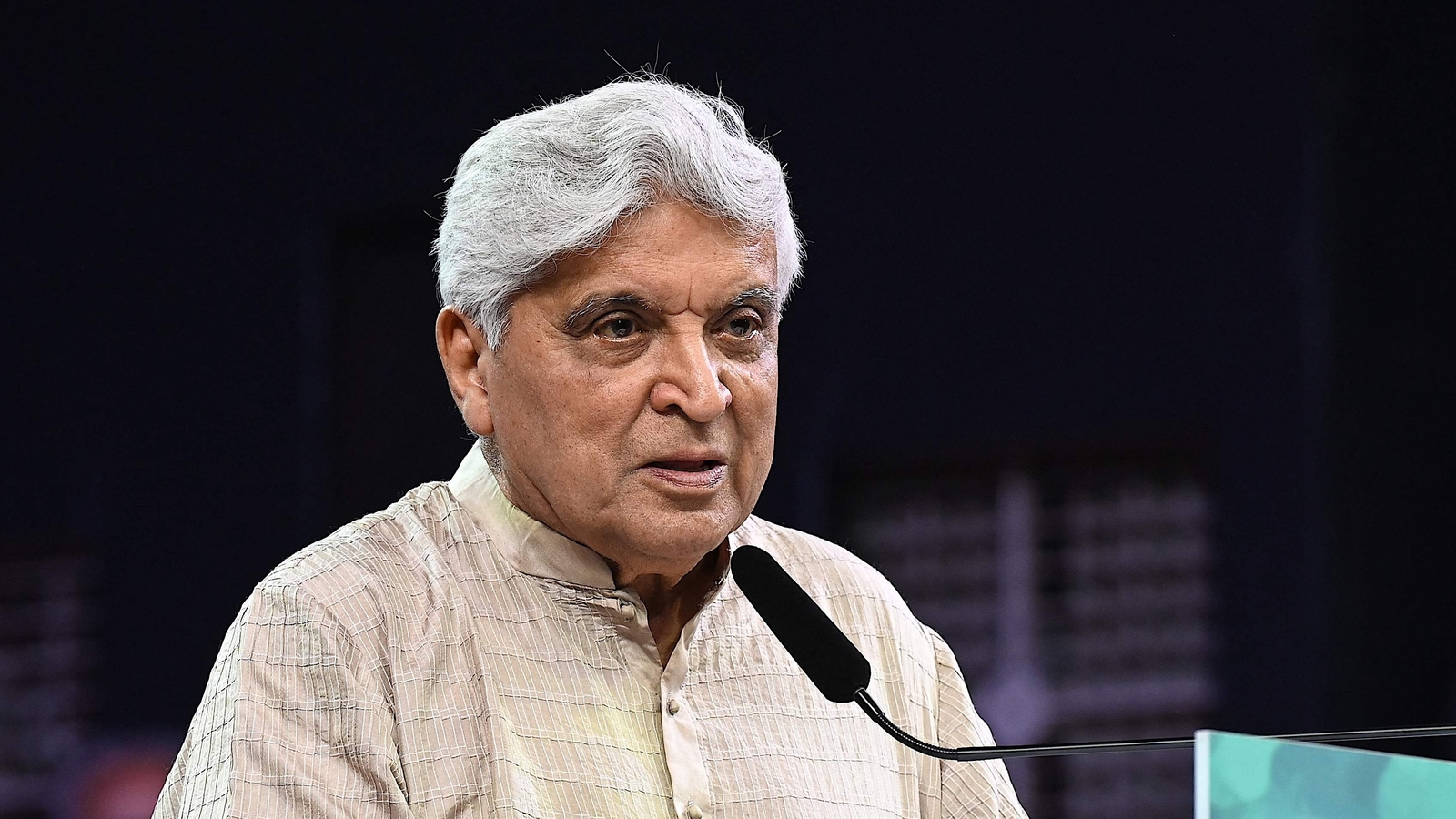
Speaking at NDTV’s Creators’ Manch on Friday, Akhtar emphasized that the attack in Pahalgam was not on the government but on the nation itself. “This is not about a political party. Everyone is united when the country is under attack. Internal issues can be debated separately,” he said.
He praised Tharoor’s diplomatic credentials and described his leadership of one delegation as a positive move, stating, “Tharoor is articulate and has experience at the UN. This is a matter that concerns the nation.”
Turning his attention to India-Pakistan relations, Akhtar said the latest attack had reopened old wounds, but reminded that past conflicts like the 1965 and Kargil wars were also met with denials from Pakistan. “Each time, they disown responsibility – 1948 tribals, Kargil intrusions, now Pahalgam. This is their old tactic,” he noted.
Akhtar, however, cautioned against viewing Pakistan as a single entity. “No country is a monolith. Millions of Pakistanis desire peace and friendship with India. It’s their army and right wing that profit from conflict,” he said, calling democracy in Pakistan “a sham.”
Highlighting how even global powers like the US recognize the true power structure in Pakistan, Akhtar said, “When the American President wanted to talk, he called the army chief Asim Munir, not the prime minister. That says it all.”
On cultural exchanges, Akhtar spoke against the backlash over the casting of Pakistani actress Hania Amir in Diljit Dosanjh’s film Sardaar Ji 3. “The film was already shot. How was he to know? Punishing him now makes no sense. Let the Censor Board and government handle this sensitively. They can simply say — don’t do it again,” he reasoned.
He also proposed that during better times, joint film productions with involvement from both governments could have served as a powerful tool for fostering peace.
Concluding, Akhtar urged Indians to support those in Pakistan who admire India, noting that meaningful change in bilateral ties could only come from people-to-people warmth, not political hostility.
