
Taliban’s Revenge: Pakistan Faces the Blowback of Its Own Proxy War
“How Pakistan’s Strategic Use of the Taliban Has Spiralled Into an Internal Crisis, While Afghanistan Turns to Bharat for New Alliances.”

Paromita Das
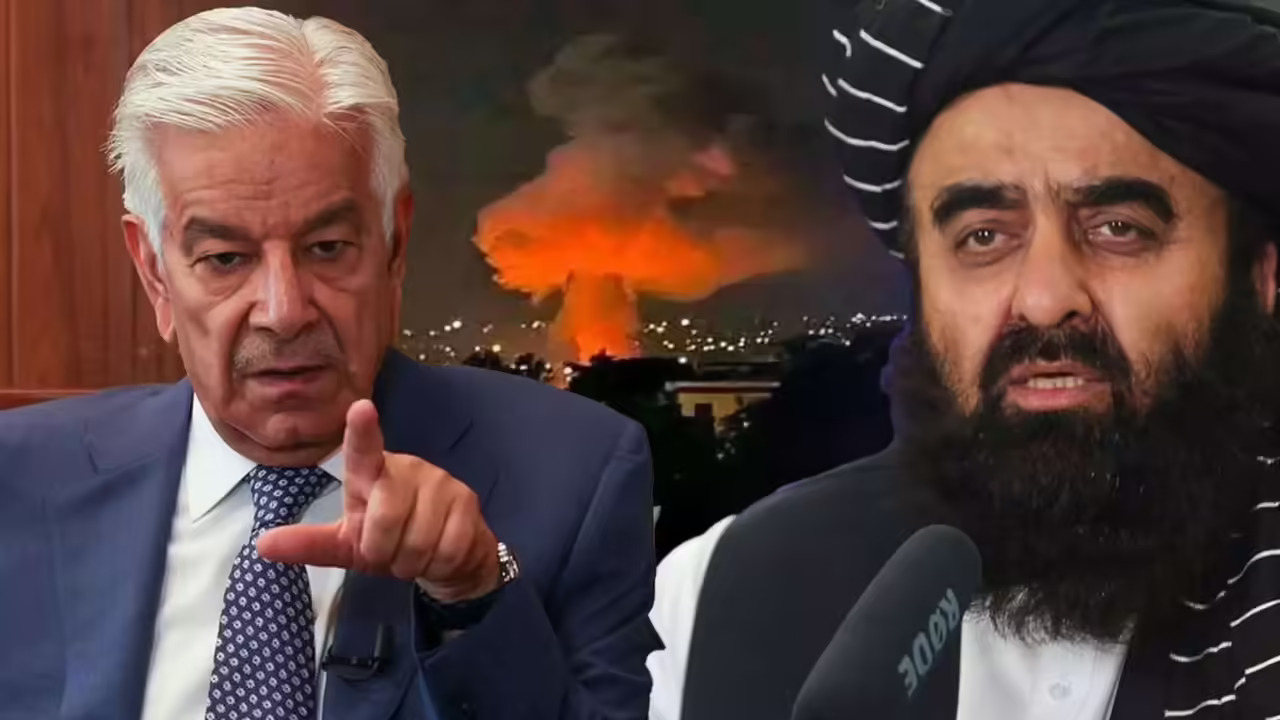
New Delhi, 30th October: For decades, Pakistan nurtured the Taliban as a strategic tool to wield influence in Afghanistan and counter Bharat’s regional power. Backed by American aid during the Soviet occupation of Afghanistan, Islamabad cultivated militant groups that were intended to secure its western frontier and project power. But history has delivered a stunning reversal—Afghanistan’s Taliban, once Islamabad’s proxy, now openly threatens Pakistan’s sovereignty. Meanwhile, Kabul’s growing diplomatic warmth with Bharat symbolizes a shift in geopolitics, leaving Pakistan isolated and exposed.
The Monster Grows: From Proxy to Predator

Pakistan’s military and intelligence agencies long viewed the Taliban as a “strategic asset.” The group’s ascendancy in Afghanistan served Islamabad’s ambitions of a friendly regime offering “strategic depth” against Bharat. But this proxy war planted seeds of domestic unrest. The Tehrik-e-Taliban Pakistan (TTP), an extremist offshoot of the Afghan Taliban, has emerged from the shadows to declare jihad against Pakistan itself. Operating with unchecked authority in Khyber Pakhtunkhwa and parts of Balochistan, TTP fighters no longer hide—they openly impose their rule, defying the Pakistani state.
Recent clashes along the border, including the capture of military assets and propaganda offensives, underline the seriousness of this internal insurgency. Pakistan’s decades-old doctrine has failed spectacularly; with the horse it once rode now trampling its own turf.
Kabul’s Bold New Path: Turning East Toward Bharat

In a dramatic pivot, the Taliban-led government in Afghanistan has gradually shifted its diplomatic focus. Once dependent on Pakistani patronage and US support, Afghanistan is now seeking recognition and engagement primarily from Bharat. New Delhi has cautiously responded, opening communication channels and offering developmental aid, signaling a geopolitical realignment.
This eastward tilt is a direct challenge to Pakistan’s ambitions. By strengthening ties with Bharat, Kabul asserts its sovereignty and signals a willingness to break from Pakistan’s influence. This shift leaves Islamabad diplomatically marginalized, as its once-commanded puppet in Kabul pursues an independent foreign policy with Delhi’s backing.
Diplomatic Humiliation and Military Strain

The deteriorating situation has exposed Pakistan’s diplomatic weaknesses. Recent peace talks mediated in Istanbul collapsed as Afghan Taliban rebuffed Pakistani demands to act against TTP sanctuaries. Kabul’s advice to “negotiate directly” with militants was a diplomatic snub, reflecting Islamabad’s fall from dominance to desperation.
Militarily, Pakistan faces grave challenges. TTP’s insurgency has led to heavy casualties, operational setbacks, and falling troop morale. Reports of militant checkpoints and control over significant territory within Pakistan underline a loss of state authority. Even more alarming are concerns over the security of Pakistan’s nuclear assets amid growing internal instability.
The Strategic Implications for South Asia

Pakistan’s adversities have widened the strategic opening for Bharat. Islamabad’s failed attempt to militarily pressure Kabul has only strengthened Bharat’s hand, as Afghanistan offers New Delhi a foothold in a traditionally Pakistan-dominated region. Delhi’s patience and diplomacy contrast starkly with Islamabad’s military assertiveness and domestic turmoil.
This power shift reshapes the South Asian security landscape, reducing Pakistan’s leverage and challenging its narrative as the regional power broker. The fallout from the Afghanistan-Pakistan crisis will inevitably influence future conflicts, alliances, and the broader regional order.
Pakistan Must Face the Consequences of Its Double Game

Pakistan’s creation and support of militant groups was a reckless gamble. It underestimated the centrifugal forces of ideology and autonomy among jihadist factions, resulting in an unmanageable security nightmare. Islamabad must abandon the illusion of “good” versus “bad” militants and adopt a holistic counterterrorism approach.
Moreover, Pakistan’s leadership needs to revisit its regional strategies, recognizing that Afghanistan is no longer a pawn but an assertive actor pursuing its own interests. Efforts to control or undermine Kabul may only exacerbate instability.
A New Chapter in Afghanistan-Pakistan Relations
The “hunter” has become the “hunted.” Pakistan’s strategic asset—the Taliban—has evolved into its greatest threat, imperiling the country’s internal security and diplomatic standing. Afghanistan’s courting of Bharat further complicates Islamabad’s predicament, signaling a decline in Pakistan’s regional influence.
As turmoil engulfs Pakistan, the world watches a historic shift in South Asia’s geopolitical matrix. For Pakistan, confronting this new reality with humility, strategic clarity, and reform may be the only path to survival. Without it, the legacy of its policies risks bringing not just defeat abroad but devastation at home.
