

By Anjali Sharma
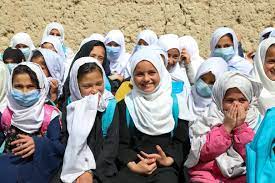
UNITED NATIONS – UNICEF, UN Women and UNESCO and partners in a press release issued in New York on Wednesday said that Taliban ban on secondary education for past 4 years affecting millions of girls in Afghanistan, since the ban came into force, one of many rights abuses rolled out by the de facto authorities since they regained control of Kabul.
Afghan girls were the target of violent extremists determined to drive them away from school and learning at the time of the ban.
UN Women gave an example of Fatima Amiri who was 17 when a suicide bomber blew himself up in her classroom in Kabul in 2022, killed over 50 of her friends and left her with life changing injuries.
Ms. Amiri an education advocate for Afghan girls insisted that the girls are desperate for their schools to reopen. It’s a fundamental right that has been taken from them.
She said “They are crying, they are sending me many messages and saying that we want the right [to] education,”. “They are in a very bad situation the only thing they had was education, but right now they do not have it.”
According to UN Women, over 9 out of 10 people in Afghanistan support girls’ secondary education.
The country is struggling from the recent earthquake disaster, it is even more difficult by the reinforced Taliban veto on female aid workers UN agencies and partners reiterated their appeal for every Afghan girl to be allowed to go to school.
UN agencies and partners including Education Cannot Wait has condemned the ongoing ban and urged the global community to unite in support of education for all girls in Afghanistan.
The latest data showed that over 2.2 million Afghan girls are banned from attending school beyond primary school.
It noted that up to 7 million children are not in class because to the ban and other constraints.
