
Strait of Hormuz Crisis Traps Ships
Tankers cluster across Gulf as Iran blocks key energy route amid war with US and Israel

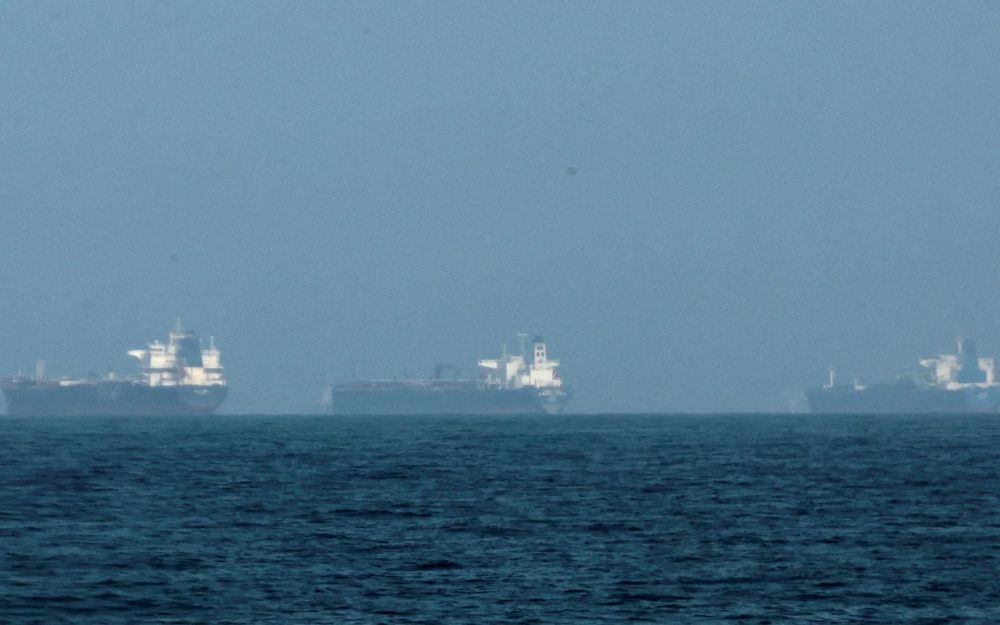
- Commercial ships gather near Gulf ports as Strait of Hormuz remains blocked
- Waterway handles nearly 20% of global oil and energy shipments
- Drone and missile incidents reported near UAE, Oman and Bahrain
- 36 India-flagged vessels and thousands of Indian seafarers stranded
GG News Bureau
Dubai, 6th March: Commercial shipping in the Persian Gulf has entered a tense and uncertain phase as hundreds of vessels remain clustered near major ports after Iran blocked transit through the strategic Strait of Hormuz amid the ongoing conflict with the United States and Israel.
The narrow waterway, through which nearly 20 percent of global oil and energy supplies pass, has effectively become a high-risk zone with ships waiting near ports across the Gulf region rather than attempting to cross the strait.
Reports indicate that Iranian guards recently broadcast warnings to ships, instructing them not to transit through the Strait of Hormuz. Iranian state media later claimed that the closure applied only to vessels from the United States, Israel, Europe and their allies.
However, confusion over the restrictions, coupled with rising security risks and insurance concerns, has led many shipping companies to halt operations in the area.
Data from ship-tracking platform MarineTraffic shows a heavy concentration of oil tankers, gas carriers and cargo vessels near major ports including Muscat and Sohar in Oman, Fujairah, Dubai and Abu Dhabi in the United Arab Emirates, Doha in Qatar, Dammam in Saudi Arabia and Kuwait City.
Many of these vessels are carrying highly flammable cargo such as crude oil, liquefied petroleum gas (LPG) and other petroleum products, raising fears that even a single missile strike could trigger a chain reaction leading to a major maritime disaster.
Since the conflict began on February 28, the United Kingdom Maritime Trade Operations (UKMTO) centre has recorded at least 10 incidents involving drones or missiles targeting ships at ports and coastal areas of the UAE, Oman and Bahrain.
In at least two cases, unidentified projectiles struck ships transiting through the Strait of Hormuz, causing onboard fires. Authorities have not confirmed whether the incidents were deliberate attacks or accidental hits linked to the broader conflict.
The situation has also affected Indian shipping interests. According to sources in the Indian government, 36 India-flagged vessels are currently stranded in the Persian Gulf and the Gulf of Oman.
Most of these ships are carrying crude oil, LPG or general cargo.
Officials estimate that around 23,000 Indian seafarers are currently onboard vessels positioned near the Strait of Hormuz, including 1,074 crew members on Indian-flagged ships.
With tensions escalating in the region, maritime security experts have warned that the concentration of ships carrying petroleum products in close proximity could turn parts of the Gulf into a “tinderbox”, increasing the risk of a large-scale maritime accident if hostilities intensify further.
