
India’s Tough Immigration Crackdown: Amit Shah’s Harshest Steps

Poonam Sharma
The Indian government has made a clear move to tighten up its immigration and border security system. The Ministry of Home Affairs, headed by Home Minister Amit Shah, issued a new notification invoking the Immigration and Foreigners Act throughout the country. The action is one of the strongest crackdowns on illegal foreigners in recent times, with a special focus on stemming infiltration and protecting national security.
Harsh Legal Action Against Foreigners
As per the notification, all options for initiating tough legal action against illegal foreigners entering India are now available. The government has clearly stated that Bangladeshi and Rohingya intruders will no longer be accepted. Already staying illegally in India, they will be located and housed in special detention facilities, and fresh intrusions will be forcefully obstructed at the borders.
Home Minister Amit Shah has instructed all Union Territories and states to establish effective detention centres to accommodate illegal foreigners. The directive highlights the commitment of the government in acting against demographic and security issues arising from uncontrolled immigration.
Ban on Anti-India Elements
The government has also unveiled permanent entry prohibitions against foreigners engaged in activities that put India’s sovereignty at risk. Any foreigner discovered associated with anti-India operations, terrorism, or spying will be prohibited from entering India. If such people try to enter, they will be promptly arrested on strict legal provisions.
This move is a testament to India’s zero-tolerance policy for terrorism and foreign interference, upholding the rule that national security takes precedence over all else.
Sensitive States Under Special Rules
The other big decision is about allowing foreigners into sensitive border states. From now on, foreigners will have to get special permission from the central government before they can visit Arunachal Pradesh, Nagaland, Mizoram, Sikkim, Jammu & Kashmir, Ladakh, Uttarakhand, Himachal Pradesh, and Rajasthan.
These areas, being geographically located and security-sensitive, are extremely susceptible to penetration and cross-border operations. The decision is aimed at controlling foreign ingress, intensifying monitoring, and dissuading any hostile forces from misusing local geography.
Moreover, Afghan, Chinese, and Pakistani citizens have been entirely barred from entering these nations, which demonstrates India’s security apprehensions concerning its most sensitive borders.
Stricter Regulation of Films and Media
The Home Ministry has further expanded control over foreign incursion in the cultural and media domain. A fresh guideline requires feature films, documentaries, and web series with foreign participation to seek central government approval prior to release.
This provision seeks to safeguard that no content funded by foreign countries dilutes India’s cultural integrity, promotes propaganda, or distorts sensitive matters. It underlines the idea that cinema and digital media, being influential tools, must carry India’s national interest.
A Warning to Illegal Immigrants
The Act not only prevents new intrusions but also sends a strong message to those already infiltrated in India. The illegal immigrants who thought they could merge into Indian society without anyone noticing are now facing exposure. The government has shown that Rohingya and Bangladeshi infiltrators will be detected, arrested, and expelled.
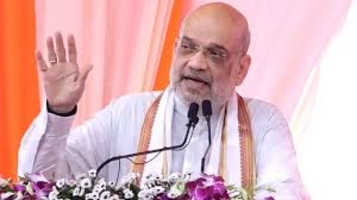
The policy tone is unflinching. The Home Minister’s orders send out the message that the age of political indecisiveness is behind us. By ratcheting up legal and administrative steps, Amit Shah has reaffirmed his image as a leader who always puts national security first.
Political and Social Implications
This action is certain to fuel arguments in political and social circles. Proponents say that uncontrolled infiltration changes the country’s demographics, puts pressure on resources, and feeds anti-national activity. Opponents could present issues of humanitarian concern, particularly for Rohingya refugees.
However, the government seems determined. Illegal immigration is depicted by the policy as a threat not just to demographics or the economy, but directly to national security and sovereignty.
A Turning Point in Immigration Policy
India’s new immigration policy in the time of Amit Shah is a turning point in the internal security strategy of the country. With the marriage of legal firmness, control over borders, and cultural monitoring, the government is laying down a clear message: India will no longer accept illegal entry, intrusion, or anti-national activities from foreigners.
Illegal immigration, particularly from Myanmar and Bangladesh, has been a sensitive topic in states such as Jammu & Kashmir, West Bengal, and Assam for decades. Detention centers are being constructed and stricter surveillance is being imposed, with the government converting policy into action.
Conclusion
The Immigration and Foreigners Act, newly tightened by Amit Shah’s Home Ministry, is a historical contraction of India’s interior security system as well as its borders. Through detention camps, entry restrictions, or cultural monitoring, the government is establishing clean lines between citizens, lawful visitors, and illegal invaders.
To infiltrators, the message is clear: the entry road into India has been shut, and those already present will be escorted out. To Indian citizens, it is a promise that the government is serious about safeguarding the country’s security, identity, and sovereignty—without wavering.
