

Poonam Sharma
The upcoming Assam Assembly elections on April 9 are set to witness a high-stakes triangular contest in the historic Sivasagar constituency, once the capital of the Ahom kingdom. Leaders representing three distinct political ideologies are in the fray, making the battle particularly intense.
Incumbent MLA and Raijor Dal president Akhil Gogoi, who rose from being an RTI activist to a prominent political figure, is contesting against BJP’s Kushal Dowari and Asom Gana Parishad (AGP) candidate Pradip Hazarika, an ally of the BJP.
Alliances, Strategy, and Vote Split Concerns
Initially, the contest was expected to be a direct fight between Gogoi and Hazarika. The latter, a five-time MLA from Amguri and a key figure in the Assam Movement (1979–85) led by All Assam Students’ Union, has strong political roots.
However, the last-minute entry of Dowari has turned the race triangular. A former member of United Liberation Front of Asom, Dowari has earlier won twice from Thowra. Despite allocating 26 seats to AGP out of 126 under the alliance formula, the BJP fielded Dowari in what is being described as a “friendly contest.”
Chief Minister Himanta Biswa Sarma stated that the decision was made after discussions with AGP. Meanwhile, Gogoi is the consensus candidate of a six-party opposition alliance that includes Congress, Assam Jatiya Parishad, CPI(M), CPI(ML), and other regional groups. Analysts believe a split in NDA votes could work in Gogoi’s favor.
War of Words and Historical Significance
The contest has also been marked by sharp political rhetoric. Dowari allegedly claimed he would deliver a “political killing” of Gogoi, triggering strong backlash. Gogoi responded by calling Dowari “Assam’s biggest killer” and urged police to take suo motu action and register an FIR. Dowari dismissed the allegations as baseless political attacks, asserting that voters would decide based on performance.
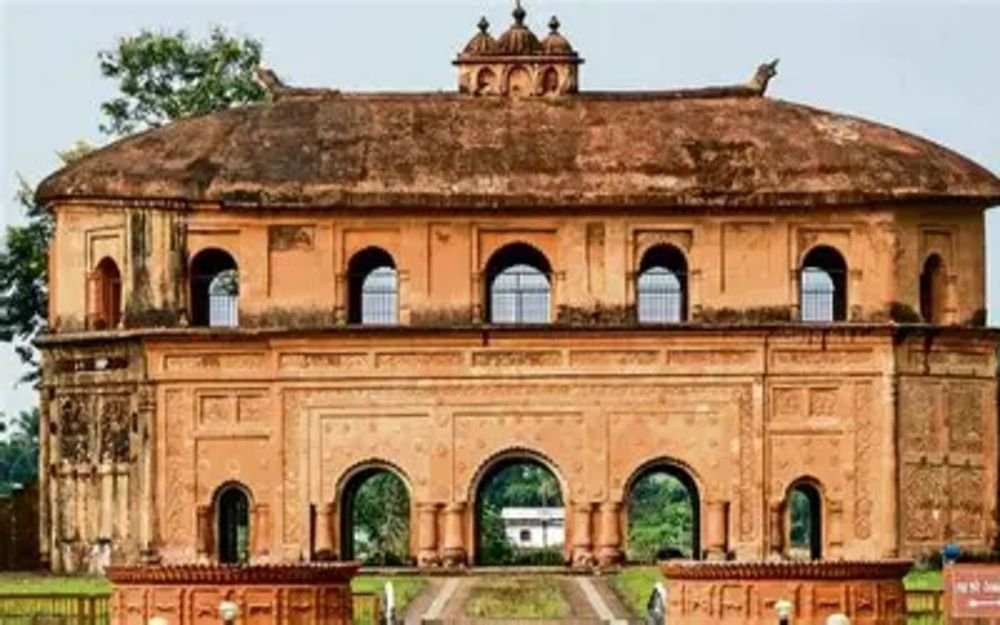
Sivasagar holds immense historical importance as the center of the Ahom dynasty, which ruled Assam for nearly 600 years. The region is home to iconic landmarks like Rang Ghar, Asia’s oldest surviving amphitheatre built in 1744, and Talatal Ghar, a historic palace and military base. Notably, Rang Ghar is also the site where ULFA was founded on April 7, 1979. Today, Sivasagar remains a key oil-rich district and a politically significant constituency in Assam.
