

GG News Bureau
New Delhi, 30th Jan.
The NCERT curriculum will be introduced in Madrassas as well, says Mufti Shamoon Qasmi
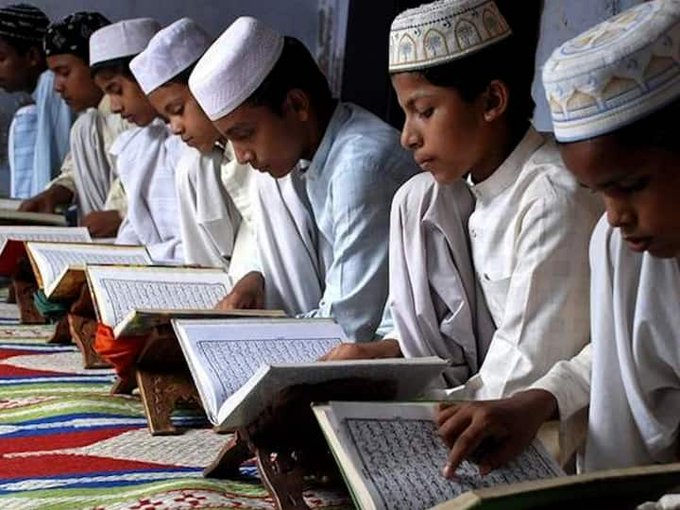
Comparing Uttarakhand to other states, it is rising to unprecedented heights in many areas. Both Madarsa Board Chairman Mufti Shamoon Qasmi and Waqf Board Chairman Shadab Shams’s independent declarations serve as evidence of this. According to these two Muslim religious authorities, it is our moral obligation to teach the next generation about our forebears and cultural history. Information about Lord Shri Ram and their forefathers will be taught to Madrasa students. Mufti Shamoon Kasmi states that the Uttarakhand Madrasa Education Board is working toward the goals of Sabka Saath, Sabka Vikas, Sabka Vishwas, and Sabka Prayas under the guidance of Chief Minister Pushkar Singh Dhami. While Waqf Board Chairman Shadab Shams also states that all schools are currently administered by the Waqf Board, he asserts that Muslim children enrolled in madrassas are receiving a modern education based on the NCERT syllabus and are integrated into the mainstream. In madrassas, Shri Ram Katha will be taught.
Both leaders expressed their opinions clearly recently. He said that in the current scenario, Muslim students should be thoroughly taught the Shri Ram Katha in addition to the NCERT curriculum so they may fully understand the sacrifice and penance made by Shri Ram. According to Shams, 117 madrasas affiliated with the Waqf Board are now teaching Shri Ram Katha as part of their curriculum, following the inauguration of Shri Ram mandir in Ayodhya. The management of Madrasas have received the relevant directives in this regard.
Shadab Shams and Mufti Shamoon Qasmi agree that implementing this curriculum in all of these madrassas has resulted in a significant shift. Shams reports that 415 madrassas are operational in the state, with 117 of them being managed by the Uttarakhand Waqf Board. Four madrassas will now become contemporary madrassas. Among these are the madrassas located in Dehradun, Udham Singh Nagar, Haridwar, and Nainital. Since the present session, NCERT texts have been used, and the curriculum gives significant weight to the Sanskrit subject.
Madrasa Board students will be taught about Shri Ram Katha
He stated that sectarian conversion is how Indian Muslims came to embrace Islam. Learning about their forefathers is vital in order to enable children from all sects to attend and pursue education in madrasas. He claimed that taking this action will also advance societal unity. He advocated practicing holding the Quran in one hand and our laptop in the other for a better education. The government is committed to achieving this. In order to prevent Muslim sect youngsters from feeling alone, both leaders think that madrassas must be incorporated into society. Shams says that Indonesia is a good example for this, as people there continue to worship Shri Ram as an ideal and do not constantly divide him from themselves even after changing their religion.
Shri Ram is an emblem of commitment. Lakshman imparted the message of brotherhood. Sita entrusted maternal authority by chastity. These livable figures will all always be our guides. “We value our ancient customs and legacy just as much as our Muslim sect,” according to leaders Shadab and Mufti Shamoon.
