
SC Bail to Majithia Blows Hole in AAP’s Punjab Narrative
Supreme Court relief to Akali Dal leader weakens AAP’s anti-corruption pitch, energises opposition

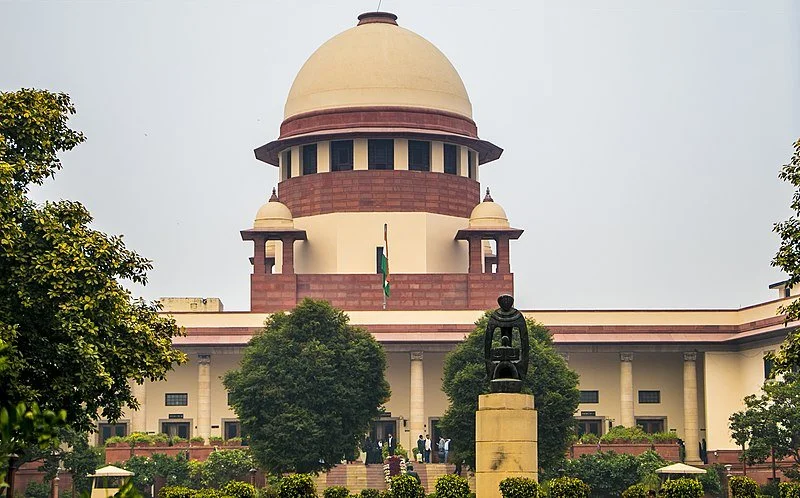
- Supreme Court grants bail to Bikram Singh Majithia in DA case
- Order dents AAP’s core political messaging in Punjab
- Akali Dal calls it vindication, AAP insists case is still strong
- Perception battle intensifies ahead of future political contests
GG News Bureau
New Delhi, 2nd Feb: The Supreme Court’s decision to grant bail to Shiromani Akali Dal leader Bikram Singh Majithia in the disproportionate assets (DA) case has dealt a political setback to the ruling Aam Aadmi Party in Punjab, while providing a morale boost to the Shiromani Akali Dal.
The AAP rode to power in 2022 on the promise of dismantling the alleged drugs–politics nexus in the state, repeatedly projecting Majithia as a symbol of entrenched corruption. His arrest and continued incarceration were showcased as proof that the old political order was finally being held accountable. The apex court’s bail order now weakens that carefully built narrative.
Responding to the development, Punjab Finance Minister Harpal Singh Cheema said the bail should not be misconstrued as an acquittal. He maintained that the case remains under trial and that investigating agencies possess strong evidence, stressing that the legal process is far from over.
Majithia has faced cases across successive governments. The NDPS case against him was registered during the Congress regime led by Charanjit Singh Channi, placing him at the centre of Punjab’s drug controversy. After securing bail in that case, the AAP government booked him in the DA case, a move widely seen as an attempt to sustain pressure through a new legal route. Once again, judicial intervention has brought him relief.
Politically, the fallout is uncomfortable for the Bhagwant Mann government. While bail does not amount to exoneration, it strengthens the opposition’s claim that Majithia has been targeted more for political reasons than through watertight prosecution. Majithia has consistently described the cases against him as political vendetta, an argument that now gains traction in public discourse.
For the Akali Dal, struggling to reclaim lost ground, the development offers a rallying point. The party has framed the bail as proof of sustained harassment across regimes—first Congress, then AAP—while projecting resilience under political pressure.
Senior Akali Dal leader Daljit Cheema alleged that the AAP government acted to silence Majithia for criticising its policies and speaking for public rights, claiming misuse of police and investigative agencies.
In Punjab’s charged political climate, perception often rivals verdicts in impact. The Supreme Court’s bail order may not close the legal chapter, but it clearly blunts AAP’s moral positioning while handing the Akali Dal a timely political opening.
