
Safe Amid Storms: How Bharat’s Chabahar Gamble Survived the Iran-Israel Conflict

Paromita Das
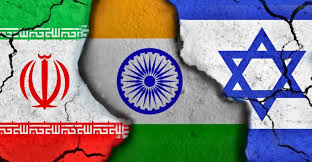
New Delhi, 1st July: When West Asia trembled under the shadow of missiles and drones during the twelve tense days of the Iran-Israel conflict, a quiet outpost on Iran’s southeastern coast defied the chaos. Chabahar Port, Bharat’s hard-earned gateway to Central Asia, stayed open, busy, and oddly untouched. It was a small island of calm that told a bigger story—one about strategy, resilience, and the delicate power of diplomacy.
A Port That Tells a Bigger Story
For years, Bharat’s planners and diplomats have placed their bets on Chabahar. Unlike the loud symbolism of big summits or flashy statements, this investment has grown quietly—$550 million sunk into terminals, cranes, rail tracks, and promises of a new trade corridor that neatly skirts around Pakistan. In the wider game of Asian geopolitics, Chabahar is Bharat’s subtle answer to China’s Belt and Road juggernaut and the glittering Gwadar Port that Pakistan proudly flaunts as part of its China-Pakistan Economic Corridor (CPEC).
When war clouds gathered over Iran this June, Chabahar’s fate could easily have mirrored the conflict’s rage. But it didn’t. Ships kept docking. Containers kept moving. And a port that sits barely 170 kilometers from Gwadar stayed immune while its rival found itself tangled in the side effects of border closures and local disruptions.
When Gwadar Shuddered
Gwadar didn’t take a direct hit from the Iran-Israel hostilities. Yet the conflict spooked Islamabad enough to pull down shutters on border posts in Balochistan, fearing unrest and infiltration. What followed was a choked flow of goods and an unofficial squeeze on the smuggled Iranian fuel that fuels everyday life in Pakistan’s border districts.
As local trucks idled and shortages crept in, Gwadar’s sheen as an ‘all-weather’ trade hub looked far less convincing. The port remained open in official statements, but the ecosystem that makes a port hum—a swirl of traders, transporters, and border routes—didn’t quite match the calm that Chabahar displayed. It was a telling contrast.
The Modi Doctrine in Action
If Chabahar stayed untouched, it wasn’t just by chance. Behind this quiet success lay hours of urgent phone calls, careful words, and Bharat’s time-tested dance of balancing relationships that don’t always align. When Iran’s missiles were flying and Israel braced for retaliation, Prime Minister Modi didn’t pick sides with loud declarations. Instead, he called both sides.
Modi’s conversation with Israel’s Benjamin Netanyahu was more than a formality—it signaled that Bharat remains a partner that worries about regional stability, not just its own interests. Meanwhile, External Affairs Minister S. Jaishankar’s call with Iran’s Abbas Araghchi underlined Bharat’s stake in calm seas and open ports. By the time Modi dialed Iran’s newly elected President Pezeshkian, Bharat’s stand was clear: it would not fan flames, nor would it abandon its investments to chance.
In a region where alliances shift like desert sands, such a balancing act is no mean feat.
Why Chabahar Survived and Gwadar Stumbled
Ports don’t run on concrete alone. They run on trust, guarantees, and the invisible web of relationships that decide which routes stay open when bombs fall elsewhere. Chabahar’s calm during the Iran-Israel conflict was a direct outcome of Bharat’s long-game approach to regional ties. It wasn’t built overnight, and it wasn’t protected by accident.
Gwadar, meanwhile, shows what happens when grand plans collide with local mistrust and poor risk planning. For all its Chinese backing and shiny docks, its success is tethered to Pakistan’s own fragile border regions, where security worries and political undercurrents can shut a gate overnight. That’s exactly what happened.
A Personal Take
Watching these two ports in the same storm, I can’t help but think that Bharat’s quiet resilience at Chabahar should become a case study in how soft power still matters. In an era of loud mega-projects, it’s easy to forget that trade routes can’t just be bought—they must be defended with relationships, credibility, and consistency. It’s not the cranes or the containers that make Chabahar valuable. It’s the trust that kept it off the hit list when tensions soared.
A Gateway That Must Endure
Chabahar’s survival in the crosshairs of the Iran-Israel conflict is not just about one port. It’s about a lesson Bharat must hold close as it expands its footprint overseas: hard infrastructure needs soft cover. In an unpredictable world where alliances bend and bombs fall without warning, only careful diplomacy can protect the steel and concrete of billion-dollar dreams.
The story of Chabahar this June is more than a footnote in Bharat’s foreign policy diary. It’s proof that when managed well, even a port sitting on a volatile coastline can be safer than one built with splashy funding but little local trust. For Bharat, that lesson is worth every dollar and every phone call it took to keep the cranes moving and the ships docking—no matter what storms gather over West Asia next.
