
Russia’s 1 Million Bharatiya Workers Plan: A New Migration Path

Paromita Das
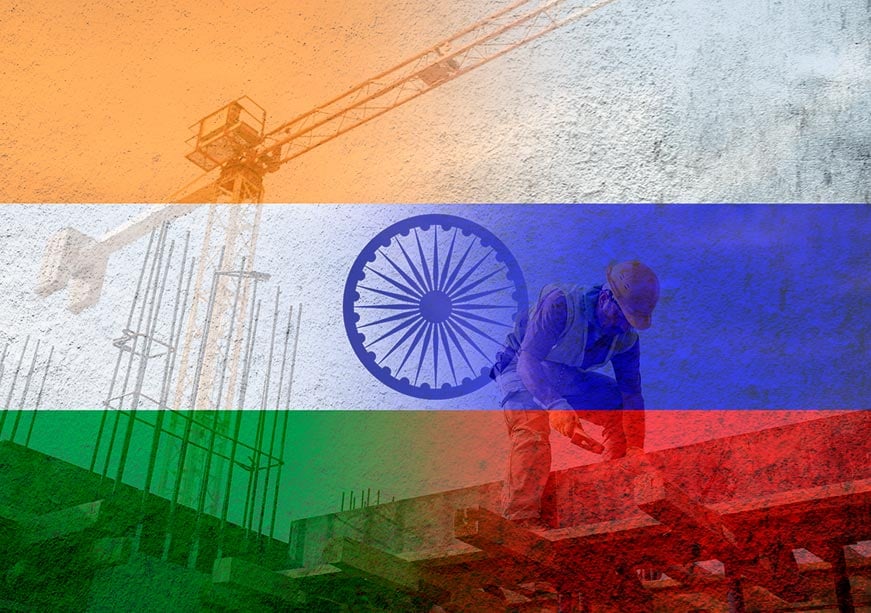
New Delhi, 11th July: In an unexpected but telling turn, Russia has thrown open its doors to Bharat’s workforce in a way never seen before. By the end of 2025, Moscow hopes to recruit up to 1 million Bharatiya workers, a move that could quietly redefine not just its own struggling industries but the shape of Bharat’s overseas labour story too.
The announcement, made by Andrei Besedin of the Ural Chamber of Commerce and Industry, comes at a time when Russia is grappling with an undeniable reality: its factories, plants, and vast construction sites are running short of hands, minds, and muscles. The war in Ukraine, a shrinking youth population, and the lure of white-collar jobs have left core sectors like metallurgy, engineering, and manufacturing gasping for skilled workers. For Russia, Bharat’s huge pool of trained and semi-skilled labour could be the answer.
Beyond Numbers: Why Bharat?
While it might sound transactional at first—Russia needs workers, Bharat has them—this is far more than a cold manpower exchange. Russia and Bharat share a legacy that stretches back to the Cold War, with decades of cooperation in defence, energy, and education. In many ways, this new push for labour ties fits neatly into a larger diplomatic puzzle: two nations trying to hold ground in a shifting global order.

Unlike Europe, where immigration is entangled in political strife, or the Middle East, where worker rights can often be murky, Russia’s promise comes with the air of strategic partnership. Talks about setting up training centres in Bharat, teaching Russian language basics, and even opening new Bharatiya consulates in cities like Yekaterinburg hint at an effort to do this right.
A Ray of Hope for Bharat’s Job Seekers
For thousands of Bharatiya families, especially in states like Bihar, Uttar Pradesh, and Odisha—places where generations have looked overseas for livelihood—Russia’s plan could be the next big destination after the Gulf. The jobs on offer are mostly in skilled trades: steel plants, mechanical workshops, heavy machinery assembly, and construction megaprojects.

In a country where domestic unemployment still pushes millions to seek work abroad, a stable Russian job market could offer new hope—if implemented carefully. Early reports suggest Bharat’s External Affairs Ministry is pressing for ethical recruitment and clear legal protections. A dedicated training pipeline could also raise the value of Bharatiya workers, giving them a better chance to negotiate fair wages and safe conditions.
A Partnership with Promises and Pitfalls
There is, however, no denying the risks. Russia’s vast geography and language barrier pose challenges that many Bharatiya workers have not faced before. Unlike the Gulf, where Bharatiya diaspora networks are well-rooted, Russia will require fresh bridges of support—cultural orientation, legal help, and robust embassy outreach.
The promise is strong: steady jobs, solid pay, and the possibility of healthy remittances flowing back home—fuel for Bharat’s villages and small towns. But there’s also the caution that migration must be safe, legal, and transparent. Unscrupulous agents and false promises have burned too many Bharatiya workers in the past. This new corridor must learn from those lessons.
A Bold but Balanced Step
Seen in a wider context, Russia’s hiring plan is both practical and symbolic. It underlines how labour can be a bridge when economies need rebuilding and alliances need strengthening. For Bharat, it’s a moment to showcase the depth of its skilled workforce. For Russia, it’s an admission that partnership sometimes goes beyond oil deals and weapons—it can be powered by people.
Yet, good intentions mean little without clear frameworks. The Bharatiya government must hold the line on workers’ rights, ensure proper vetting of recruiters, and demand on-ground support for families who send their sons and daughters thousands of kilometres away.
More Than a Manpower Deal
Russia’s goal to bring in 1 million Bharatiya workers by 2025 may seem like just another labour pipeline, but it carries within it a quiet revolution. If done right, it could spark fresh remittance flows, transform lives in rural Bharat, and tighten the knot between two old allies who now find themselves needing each other in new ways.
In the dusty towns of Bihar and the workshops of Punjab, parents will ask: “Is Russia the new Gulf?” The answer depends on how well both countries handle this promise. For now, this ambitious plan stands as a reminder: sometimes, real diplomacy is not sealed with signatures alone, but with millions of hardworking hands building bridges in a foreign land.
