
Russia Defies US Sanctions with Nuclear Show of Force
“Diplomatic Hopes Fade as Sanctions Target Russian Oil Giants and Military Posturing Sign.”

Paromita Das
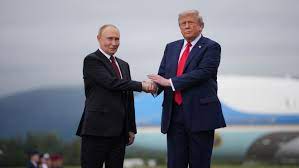
New Delhi, 25th October: The recent collapse of a much-anticipated diplomatic reset between the United States and Russia signals a sharp deterioration in an already fragile international relationship. After President Donald Trump dismissed a planned summit with Vladimir Putin as a “wasted meeting,” the fragile hope for easing tensions has been replaced by intensified sanctions and military posturing, underscoring the deep mistrust and divergent interests that continue to define US-Russia relations.
A Summit Postponed and Sanctions Launched

The Trump administration’s decision to impose sweeping sanctions on Russia’s top oil producers, Rosneft and Lukoil, alongside their subsidiaries, marked a significant escalation. These sanctions target entities responsible for nearly half of Russia’s oil output, a critical revenue source for the Kremlin. The timing was critical — announced immediately after it was confirmed that the Budapest summit between Trump and Putin was postponed indefinitely, signalling the end of immediate diplomatic engagement.
US President Donald Trump imposed sanctions on Russia for the first time in his second term, targeting oil companies Lukoil & Rosneft. The US Treasury Department said it was prepared to take further action as it called on Moscow to agree immediately to a ceasefire in Russia's war… pic.twitter.com/HvWcuImctw
— CNBC-TV18 (@CNBCTV18News) October 23, 2025
The White House communicated that despite a “productive call” between US Secretary of State Marco Rubio and Russian Foreign Minister Sergei Lavrov, no face-to-face meeting is planned in the near future. This reflects the widening gulf between the two nations, where diplomatic channels remain open but unfruitful. The Kremlin, through spokesperson Dmitry Peskov, dismissed the summit postponement, asserting that “you can’t postpone what was never scheduled.” Peskov also highlighted Europe’s role, blaming European leaders for encouraging Ukraine’s military efforts, framing the West as uninterested in peace.
The Ceasefire Dispute and Broken Trust

The core disagreement remains Russia’s refusal to accept an immediate ceasefire without concessions on territorial disputes involving Ukraine. Lavrov’s rejection of the US demand for an immediate halt to hostilities exposes the deep-rooted distrust and unaligned priorities. He emphasized that stopping the conflict abruptly would ignore the “root causes” that triggered this war, citing a historical context that the American administration supposedly understood upon Trump assuming office.
Trump’s optimism, expressed even as the summit was canceled, contrasts sharply with these realities. Just days prior, he conveyed hope for “great progress” during a call with Putin. Yet, the continued escalation tells a different story — one where rhetoric and reality diverge sharply.
Sanctions as Leverage and Trump’s Mixed Messaging

In a public statement with NATO Secretary General Mark Rutte, Trump described the sanctions as “tremendous” but suggested they could be temporary if peace talks resumed. While the sanctions represent the most direct US measures against Russian oil to date, aiming to pressure Moscow financially, Trump’s comments also revealed an underlying hope that sanctions might bring Russia back to the negotiating table.
However, Trump’s rhetoric was marred by an offhand comment on the personal animosity between Putin and Ukrainian President Volodymyr Zelenskyy, indicating the complexities that go beyond official policy. Moreover, Trump reiterated a controversial claim of having prevented multiple global conflicts, including an unfounded assertion about stopping the Bharat-Pakistan conflict, reflecting a complex narrative that mixes policy with personal political branding.
Russia’s Strategic Response: Nuclear Readiness

Putin’s response was a dramatic demonstration of Russia’s military might, overseeing a large-scale drill of the country’s nuclear forces involving land, sea, and air components. This exercise was a stark reminder of Russia’s vast nuclear arsenal and willingness to project strength amid escalating tensions. The Kremlin described the drills as routine readiness tests, but their timing — immediately following US sanctions — sent a clear message of defiance.
The Atlantic Council acknowledged Trump’s sanctions but qualified that this was not a “maximal blow,” highlighting Putin’s confidence in enduring Western pressure. The conflict’s persistence suggests that Moscow remains unrelenting in pursuing its objectives, despite increasing economic and diplomatic isolation.
A Cold Reality Despite Warm Words

The recent developments underline a grim reality: despite diplomatic rhetoric and the occasional phone call, the US and Russia remain deeply entrenched in mistrust and opposing strategic goals. Trump’s oscillation between sanctioning Russia and expressing optimism for dialogue reflects broader American political ambivalence toward Moscow. Meanwhile, Russia’s military posturing and rejection of ceasefire discussions reveal a readiness to endure protracted conflict for what it perceives as vital national interests.
The broader Western stance, especially Europe’s support for Ukraine’s military efforts, complicates peace prospects further. Peskov’s accusation that Europe prioritizes conflict over peace points to a fundamental geopolitical divide that must be addressed for any durable resolution.
The Road Ahead Remains Uncertain
The indefinite postponement of the Trump-Putin summit, followed by targeted sanctions and aggressive military drills, marks a significant setback for US-Russia relations. The prospects of a diplomatic thaw have receded as both sides harden their positions. Without concessions or a shift in strategy from either party, the conflict risks becoming a prolonged stalemate with global ramifications.
The nuclear drills underscore the looming threat of escalation, reminding the world of Russia’s formidable arsenal. For any meaningful progress, sustained dialogue, mutual recognition of legitimate concerns, and a willingness to compromise are essential. As it stands, the present trajectory seems to steer away from peace and closer to continued confrontation, leaving the international community to brace for an uncertain future.
