
Russia beats Western sanction, long-term economic prospects ‘grim’ as war linger

Anjali Sharma
GG News Bureau
WASHINGTON, 31st Jan. According to experts and analyst on Tuesday stated that Russia’s war with Ukraine will cripple its economy in the long run despite its claims that it had found new ways to beat Western sanctions earned $15.2 billion in revenues through clandestine shipping of oil and minerals mainly to India and China.
President Vladimir Putin is facing election in March after domestic pressure to pull down the prices and withdraw Russian army from Ukraine.
The media reports said that Russia’s resistance to international sanctions mainly from the west and its supposed economic resilience, despite the best efforts of the US and its G7 partners to choke off Moscow’s oil revenues and starve it of military technology.
Putin said at a recent event in Moscow: “We have growth, and they have decline… They all have problems going through the roof, not even comparable to our problems.”
Russian state is earning billions from oil and diamond exports, its military factories are working flat out, and many Russian banks can still access the international financial system, as the second anniversary of Russia invasion of Ukraine is approaching. .
Moscow has adapted to the wide range of sanctions imposed by Western nations.
Sanctions have not weighed down the Russian economy, instead its economy is one per cent larger than it was on the eve of the invasion.
The reports said that in the longer-term outlook is far less rosy. War is distorting the economy and sucking resources into military production at an unsustainable pace.
Rostec, a Russian state-owned defence company has increased the production of armored vehicles nearly fivefold in the year to November, according to its Chairman Sergei Chemezov. There have been similar vast increases in the production of munitions and drones.
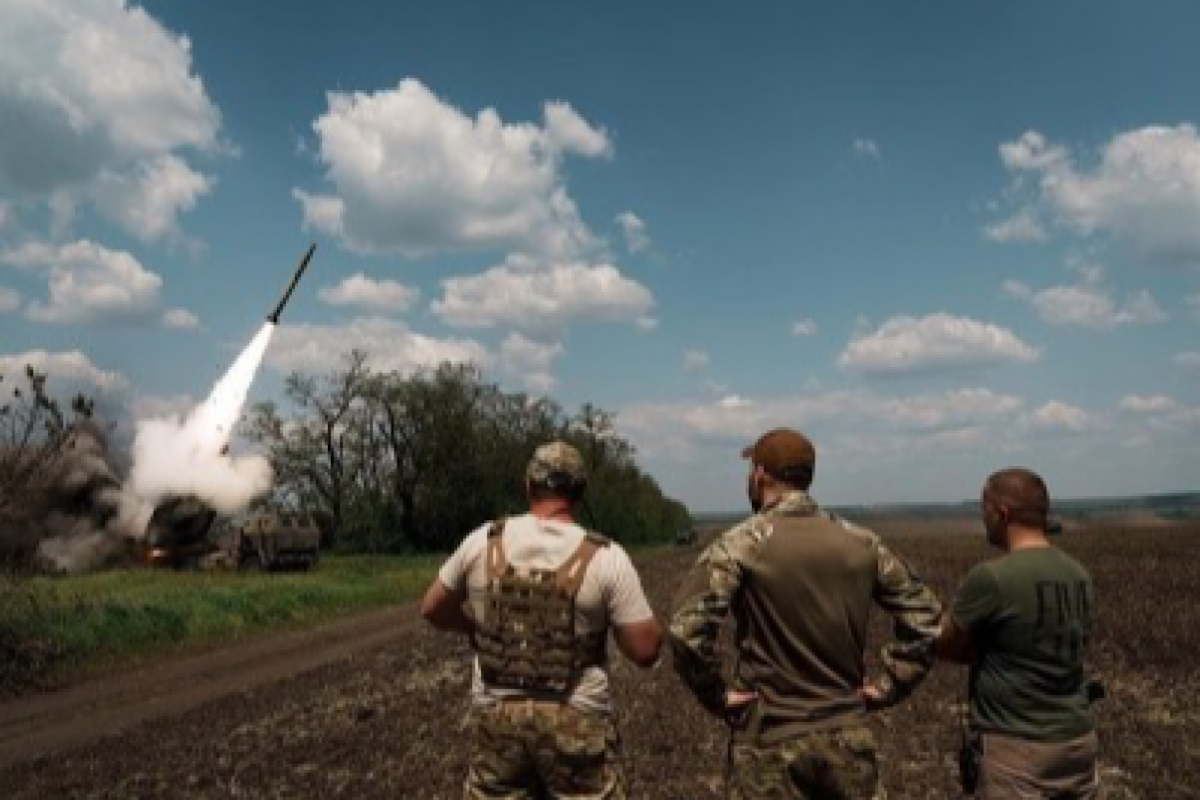
“We boosted the production of munitions for firearms and MLRS (multi-launch rocket systems) by 50 times,” Chemezov told Putin at a Kremlin meeting in December.
Building things in order for them to be destroyed on the battlefield is not a path to economic success, economists in Russia felt.
According to a database created by the Atlantic Council the western powers have sought to shrink Russia’s revenues from exports of energy and minerals, and choke it of access to technology and finance, impairing its ability to wage war. In the process they have imposed sanctions on more than 15,000 Russian entities and individuals.
Sanctions take time to have an effect, plenty of customers depend on Russia for what it does best — selling oil and other commodities.
Much of Asia has not signed up to sanctions, providing Russia with ready markets for its oil, as well as with high-technology equipment once bought from the West. India and China now account for 90 per cent of Russian oil exports, according to Deputy Prime Minister Alexander Novak.
G7 nations announced that Western vessels and insurers could only be used when the oil is priced at less than $60 a barrel trying to limit Russian profits from oil.
Russia developed a new network of shippers to get round the restrictions and keep selling to India and China.
The reports said that as global crude prices declined toward the end of 2023, so did Russian revenues, but they still earned $15.2 billion in November alone.
The Atlantic Council racks the impact of sanctions, reckons Russia is moving 71 per cent of its oil exports through a growing ghost fleet, whose ownership and registration details are camouflaged.
Shipping analysts Windward estimated in September that as many as 1,400 vessels had been used to move Russian oil in defiance of Western sanctions, many of them sailing without insurance.
Christine Abely, author of “The Russia Sanctions: The Economic Response to Russia’s Invasion of Ukraine,” said the oil price cap “has become subject to more widespread evasion over time, both due to direct violation of the terms of the cap and by Russia building out its own shadow fleet to transport oil”.
Western officials are hard put to contain the evasive measures Russia is taking to beat their sanctions.
US Treasury Department sanctioned companies registered in Turkey and the UAE for carrying Russian crude sold above the price cap. But clamping down on the evasion is difficult in the opaque world of merchant shipping, media reports said.
Atlantic Council noted, most Russian banks maintain access to SWIFT a messaging service that connects financial institutions around the world — enabling them to conduct international transactions and settle cross-border payments. Only some banks have been disconnected from the platform as part of sanctions.
It calculates that Russia imported more than $900 million worth of battlefield and dual-use technology per month in the first half of 2023.
UK National Crime Agency said “Russia is trying to procure UK sanctioned goods through intermediary countries… using complex supply chains and alternative supply routes to acquire sanctioned products.”
Financial Times analysis of available official Russian data found that as access to precision tools from the West had been shut, Russia increased imports of advanced machine tools known as computer numerical control from China tenfold. Taiwanese and South Korean enterprises have also sold such tools, which can be used in military industries, the FT found.
Russia has used intermediaries that conceal the ultimate destination and end-use of items of everything from ball bearings to navigational equipment with impudence and confidence.
US Treasury is trying to keep up, said Abely by going after these intermediaries.
It anctioned several Turkish companies; Chinese and UAE companies have also been sanctioned.
It’s a painstaking process, but it raises the costs to Russia.
“Sanctions have restricted the access of Russia’s military industry to sophisticated technology and Russia has been forced to pay a premium for substitutes from other markets,” the Bank of Finland said in a report.
It estimated that the cost to Russia of Chinese goods useful to its war effort rose 78 per cent from 2021 to 2023.
Sanctions against individuals, including the freezing of their assets and the confiscation of superyachts, have not led to a groundswell of opposition to the Kremlin or even the war among the elite, though a couple of oligarchs have voiced their opposition (from relatively safe foreign shores.)
In the end, very few of their assets have been confiscated by Western countries and the Kremlin has given them a stark choice: support the motherland or lose everything.
