
Rajasthan MP Seeks Extension of Badi Sadri–Mavli Rail Line to Debari
Proposal aims to boost connectivity and tourism across Rajasthan’s Mewar region

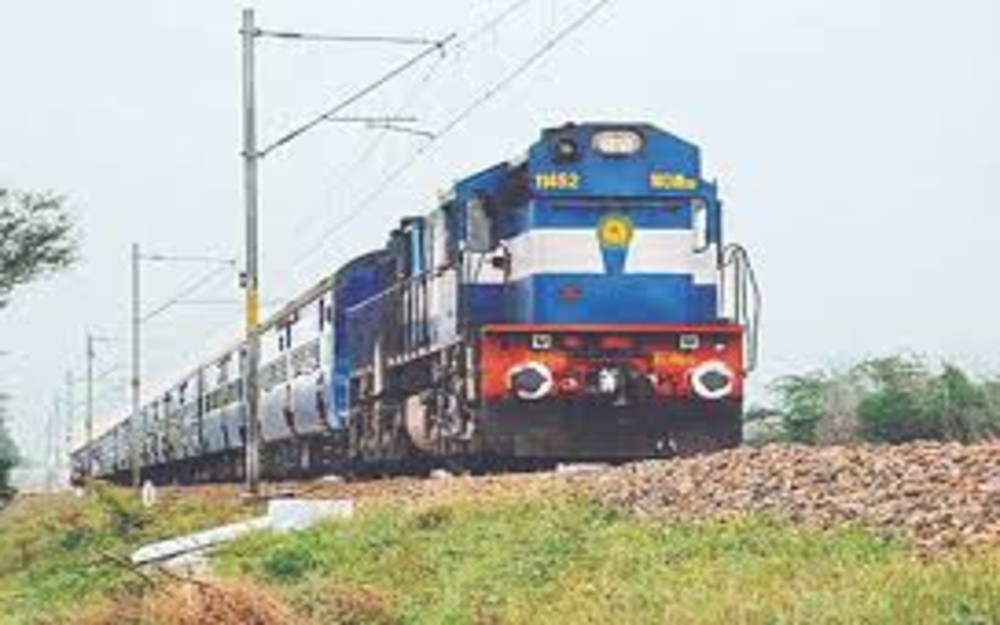
- Rajya Sabha MP Chunni Lal Garasiya demands survey and extension of Badi Sadri–Mavli broad-gauge line to Debari
- Says extended route will ease travel time for passengers and future trains from Neemuch
- Notes unprecedented rise in tourist footfall across Mewar, including Udaipur, Nathdwara and Chittorgarh
- Argues new line will strengthen regional tourism and improve rail accessibility
GG News Bureau
New Delhi, 11th Dec: Raising an important connectivity issue during the Winter Session of Parliament, Rajya Sabha MP Chunni Lal Garasiya on Thursday urged the Union Government to conduct a survey and extend the Badi Sadri–Mavli broad-gauge railway line up to Debari station near Udaipur.
Speaking in the Upper House, Garasiya said the Mewar region—which includes major tourist destinations such as Chittorgarh, Udaipur, Nathdwara and Ranakpur—attracts thousands of visitors every year. Passenger numbers across stations on the Badi Sadri–Mavli–Udaipur route have risen sharply in the past year, he noted, making affordable and accessible rail transport crucial for both residents and tourists.
He pointed out that under the leadership of Prime Minister Narendra Modi, several key steps have recently been taken to improve railway infrastructure in Udaipur. However, Garasiya highlighted a looming challenge: future trains arriving from Neemuch, Madhya Pradesh, would be forced to take a longer route via Mavli, Khemli and Bhimal before reaching Debari and Udaipur—adding substantial travel time.
At present, the journey from Badi Sadri to Udaipur via Mavli spans around 124 kilometres, with additional delays caused by power change procedures at Mavli.
To address these inefficiencies, the MP proposed that the government conduct a survey for a new broad-gauge line connecting the existing route from Bhattewar–Kheroda overbridge through Daroli–Dabok to Debari station. Such an alignment, he argued, would benefit passengers, reduce travel time, and significantly boost tourism across the region.
Garasiya emphasised that improved rail connectivity would not only support the growing number of tourists but also enhance economic opportunities for local communities.
