
Rahul Gandhi Blames Centre’s “Monopoly Model” for IndiGo Crisis
Opposition demands accountability as flight disruptions trigger political storm

GG News Bureau
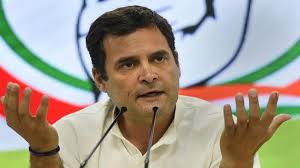
New Delhi, 5th Dec: Leader of Opposition in the Lok Sabha Rahul Gandhi on Friday sharply criticised the Centre over the escalating operational crisis at IndiGo, claiming the airline’s widespread disruptions were the outcome of the government’s “monopoly model” in the aviation sector.
In a strongly worded post on X, Gandhi said the chaos that has left thousands of passengers stranded was a direct result of flawed policy-making.
“IndiGo fiasco is the cost of this Govt’s monopoly model. Once again, it’s ordinary Indians who pay the price – in delays, cancellations and helplessness. India deserves fair competition in every sector, not match-fixing monopolies,” he wrote.
His remarks come amid a surge in IndiGo flight cancellations—an estimated 170 to 200 flights per day—sparking alarm over passenger safety, operational stability and the concentration of market power in Indian aviation.
Opposition Takes the Issue to Parliament
The disruptions have triggered a major political row. In the Rajya Sabha, Shiv Sena (UBT) MP Priyanka Chaturvedi issued a notice under Rule 180, urging Civil Aviation Minister Ram Mohan Naidu to address Parliament on what she termed a matter of “urgent public importance.”
Chaturvedi highlighted severe lapses that caused delays of up to seven hours and over 70 cancellations in a single day, affecting major hubs including Mumbai, Bengaluru and Hyderabad.
In her notice, she wrote that the crisis—stemming from acute crew shortage and operational gaps—had caused “significant hardship” to passengers, with even key international routes like Mumbai–Maldives disrupted during peak hours.
She stressed that recurrent disruptions indicate a “pressing need for government intervention, accountability, and safeguards to prevent future occurrences.”
DGCA Flags Crew Fatigue Rules, Operational Gaps
Meanwhile, the Directorate General of Civil Aviation (DGCA) said IndiGo has requested temporary relaxations from specific Flight Duty Time Limitations (FDTL) requirements for its A320 fleet.
The airline has assured the regulator that it aims to restore full operational normalcy by February 10, 2026.
A DGCA review found that IndiGo’s ongoing breakdowns were linked to:
- Transition challenges in implementing Phase 2 of the revised FDTL norms,
- Crew-planning deficiencies, and
- Seasonal winter constraints affecting aircraft rotations and turnaround times.
The updated fatigue-management regulations—introduced after court directions—were rolled out in two phases, on July 1 and November 1, 2025, increasing operational complexity for airlines.
A Crisis Exposing Larger Questions
As the disruptions continue and social media fills with complaints from stranded passengers, the political pressure is intensifying. Rahul Gandhi’s attack highlights a broader opposition narrative questioning the structure of India’s aviation market and the government’s regulatory oversight.
With IndiGo controlling a dominant share of domestic air travel, the crisis has opened a national debate—not just about flight delays, but about competition, safety and the future of India’s rapidly expanding aviation sector.
The matter is expected to resurface in Parliament next week, with the Opposition demanding answers and the government under pressure to ensure passenger confidence is restored.
