

By Anjali Sharma
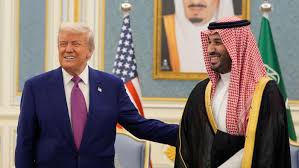
WASHINGTON – US President Donald Trump hosted Saudi Crown Prince Mohammed bin Salman at the White House on Tuesday, opened discussions on defence cooperation, investment commitments and regional diplomacy.
It was the MBS Crown Prince’s first visit to the White House in over 7 years and was marked by full ceremonial honors, including a military guard, and a flyover by US aircraft.
Trump, welcomed the Saudi Prince Mohammed, described him as “an extremely respected” figure and highlighted their longstanding personal ties.
Prince Mohammed outlined plans to boost Saudi investment in the US from a projected $600 billion to nearly $1 trillion.
He framed the increase as a strategic commitment to US growth, pointed to expand demand for computing power and advanced chips within Saudi Arabia.
“We believe in the future of America,” he noted.
He called the opportunities “real” and commercially driven.
Trump responded that the United States “appreciates it very much”.
Trump reiterated his willingness to approve the sale of F-35 fighter jets to Saudi Arabia, remarking that “when you look at the F-35 and you’re asking me, is it the same? I think it’s going to be pretty similar.
He added “This is a great ally, and Israel is a great ally.”
Trump reiterated his view that the Crown Prince had no role in the incident when asked questions about the 2018 killing of journalist Jamal Khashoggi
Prince Mohammed called the killing “painful” for Saudi Arabia and described it as a “huge mistake”, added that his government has strengthened procedures to prevent a repeat.
He emphasized that Saudi Arabia had taken steps it views as corrective and necessary.
On regional diplomacy, MBS confirmed that Saudi Arabia is interested in joining the Abraham Accords and establishing formal ties with Israel.
He underscored that Riyadh requires what it considers a “clear path toward a two-state solution” before advancing.
The issue was part of his discussions with Trump during the meeting, media reported.
Trump indicated he could envision progress on an agreement enabling the transfer of US civilian nuclear technology to Saudi Arabia, though he offered no timeline.
Both governments have been engaged in technical and political negotiations on the issue for more than a decade.
