
PM Modi Charts a Resilient Global Future at Disaster Infrastructure Summit
India’s message, through Prime Minister Modi, is unequivocal: resilience is the new infrastructure of peace, progress, and survival.

GG News Bureau
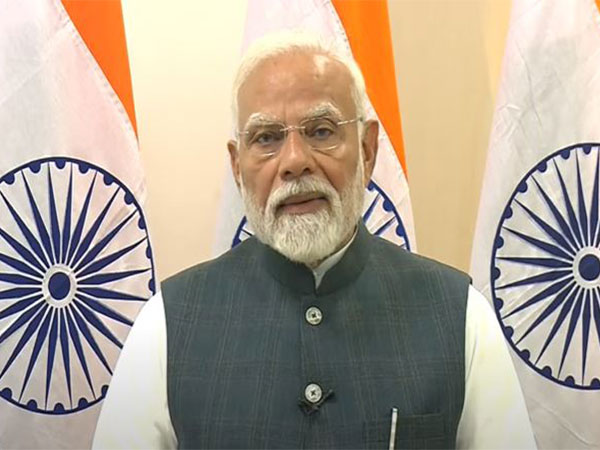
New Delhi, 8th June: Prime Minister Narendra Modi’s address at the International Conference on Disaster Resilient Infrastructure 2025, held for the first time in Europe, was both timely and visionary. Against the backdrop of escalating climate crises and devastating natural disasters across continents—from Cyclone Remal to Hurricane Helene—India’s voice at the global table continues to resonate with experience, empathy, and leadership.
In a compelling virtual address, the Prime Minister outlined five global priorities aimed at strengthening disaster resilience, a framework rooted not just in policy rhetoric but in India’s lived experiences with calamities like the 1999 super-cyclone and the 2004 Indian Ocean tsunami. These catastrophic events, he recalled, were turning points that led India to rebuild smarter, stronger, and safer—an effort that culminated in the establishment of a tsunami warning system benefiting 29 countries. It is this legacy of proactive preparedness that India now shares with the world.
Global Priorities with a Local Heart
PM Modi’s articulation of the five priorities—ranging from embedding disaster resilience in higher education, to the creation of a global digital repository for learnings, to the urgent need for accessible financing for vulnerable nations—is a roadmap for the future. His emphasis on Small Island Developing States (SIDS), whom he respectfully termed Large Ocean Countries, is a powerful narrative shift that acknowledges their outsized vulnerability and the pressing need for tailored support.
India’s leadership through the Coalition for Disaster Resilient Infrastructure (CDRI)—working with 25 island nations to build safer homes, schools, and hospitals—further cements its position not merely as a global stakeholder but as a committed partner in sustainable development.
The Power of Early Warning and Shared Wisdom
The Prime Minister rightly stressed the indispensable value of early warning systems and coordination as lifelines in disaster response. His call for robust last-mile connectivity in communication is critical, especially for countries where infrastructure gaps can turn manageable threats into humanitarian catastrophes.
Additionally, the proposal for a global digital repository of disaster recovery practices is a bold, collaborative vision. In a fragmented world, a shared platform for resilience know-how could be transformative—facilitating faster, data-driven responses and reducing repetitive failures.
India as a Global Anchor
PM Modi’s message was clear: building infrastructure that can withstand the tests of time and nature is no longer optional—it is essential. His speech not only reinforced India’s ongoing contributions but also reminded the world that sustainable progress is impossible without resilience at its core.
As the world prepares for the upcoming United Nations Oceans Conference, India’s emphasis on coastal and oceanic resilience signals a deep understanding of global interdependence. In an age where disasters do not respect borders, the call to act collectively—and decisively—has never been louder.
India’s message, through Prime Minister Modi, is unequivocal: resilience is the new infrastructure of peace, progress, and survival.
