
PCOD: A Global Women’s Health Crisis Rooted in Modern Lifestyle and Psychological Stress

Indrani Choudhury
Assistant Professor, Hypnotherapist & Researcher in Mind–Body Wellnes
Introduction
Polycystic Ovarian Disease (PCOD) has emerged as one of the most pressing women’s health concerns of the 21st century. Once considered a reproductive disorder limited to a small section of women, it has now become a global public health issue, cutting across geography, age, economic status, and culture.
Today, nearly 1 in 5 women worldwide are estimated to be affected, and the numbers are rising steadily. While medicine has advanced, the condition cannot be addressed through pharmaceuticals alone. PCOD reflects a deeper crisis: the psychological, emotional, and lifestyle imbalance of modern society.
Understanding PCOD
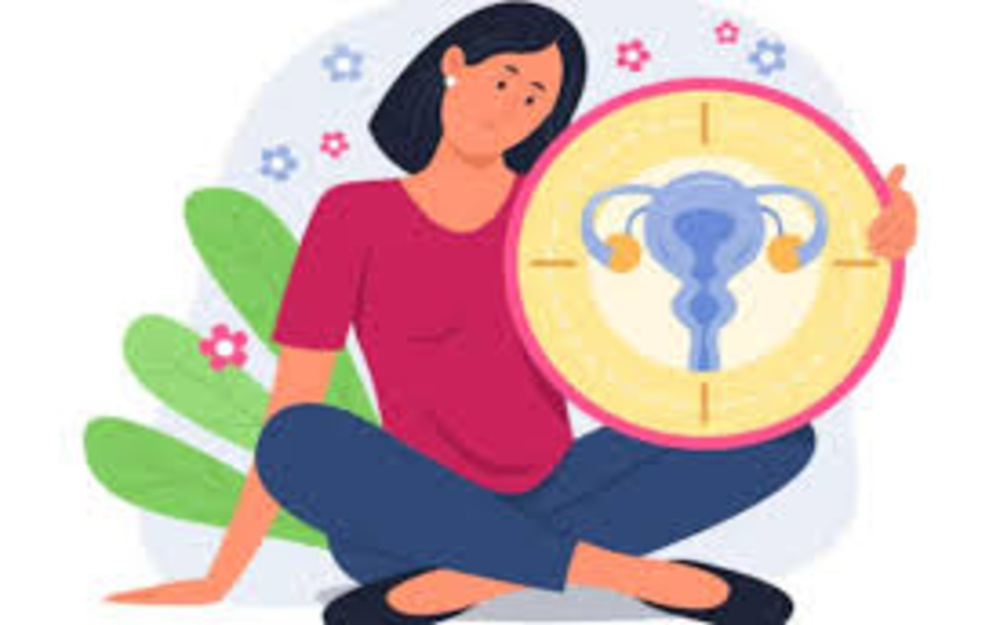
PCOD is a hormonal disorder in which a woman’s ovaries produce excessive androgens, affecting the menstrual cycle, metabolism, and emotional wellbeing.
Typical symptoms include irregular periods, weight gain, acne, hair loss, infertility concerns, and mood disturbances. However, beneath these physical manifestations lies a complex interplay of biological and psychological factors.
Why PCOD Is Increasing Globally
1. Lifestyle Transitions
Urbanisation, long working hours, disrupted sleep cycles, and high-screen exposure have altered women’s natural biological rhythms.
Irregular eating habits, increased consumption of processed food, and reduced physical activity contribute significantly to hormonal imbalance.
2. Chronic Psychological Stress
Research shows a direct link between high cortisol levels and reproductive hormone disruption.
Young women today face constant pressure—academic stress, job insecurity, social media comparisons, relationship anxieties, and self-esteem struggles.
This chronic emotional load is a silent driver behind the PCOD epidemic.
3. Environmental and Socioeconomic Factors
Exposure to hormone-disrupting chemicals in plastics, cosmetics, and packaged food is rising.
Moreover, global inequalities limit women’s access to timely diagnosis and integrated healthcare services.
PCOD: More Than a Medical Condition
Although medical science provides important treatment options, PCOD is not solely a biomedical condition. It represents a mind–body imbalance aggravated by emotional strain and lifestyle choices.
Psychological Dimensions Often Overlooked
Anxiety and depressive symptoms
Emotional eating and guilt
Body image distress
Fear of infertility
Social stigma
Low self-worth
These emotional factors not only worsen symptoms but also delay recovery
Can PCOD Be Reversed?
For many women, yes. PCOD can be managed—and even reversed—through a combined approach:
Balanced diet
Regular physical activity
Stress reduction techniques
Mental health support
Holistic therapies
Medical supervision
Countries embracing integrated care models are reporting better outcomes among young women.
Self-Hypnosis: A Growing Tool in Women’s Health
Across the world, mind–body interventions are gaining recognition. Among them, self-hypnosis has emerged as a powerful, non-invasive method to regulate stress, improve emotional resilience, and support hormonal stability.
How Self-Hypnosis Helps
Lowers cortisol and anxiety
Improves insulin sensitivity
Enhances sleep regulation
Reduces emotional overeating
Builds positive body image
Reprograms negative subconscious patterns
Supports consistent lifestyle choices
By shifting the body from stress mode to a state of calm, self-hypnosis allows natural hormonal alignment to occur.
Why It Works
The subconscious mind governs habits, emotions, cravings, and biological responses.
Strengthening the subconscious through guided relaxation, visual imagery, and positive affirmations empowers women to take control of their health.
Exercise: Physical & Mind–Body Practices to Manage PCOD
Exercise plays a crucial role in controlling weight, balancing hormones, reducing stress, and improving insulin sensitivity.
1. Physical Exercises
Aerobic/Cardio: Brisk walking (30–45 min daily), jogging, cycling, or swimming to burn fat and regulate metabolism.
Strength Training: Squats, lunges, push-ups, resistance band workouts, and core exercises to boost muscle mass and metabolism.
Yoga & Stretching: Surya Namaskar, Bhujangasana (Cobra), Setu Bandhasana (Bridge), Balasana (Child’s Pose), Paschimottanasana, and Baddha Konasana for hormonal regulation and stress relief.
2. Mind–Body Exercises
Breathing & Relaxation: Diaphragmatic breathing, alternate nostril breathing, and box breathing for calming cortisol levels.
Self-Hypnosis & Visualization: Daily practice (10–15 min) focusing on healthy ovaries, hormonal balance, and affirmations like “My body works in harmony”.
Journaling: Daily reflection to release emotional stress and identify negative patterns.
3. Lifestyle & Micro-Exercises
Short walking breaks, using stairs, stretching every 2–3 hours, dancing, and limiting screen exposure before bed help maintain hormonal and emotional balance.
Sample Weekly Routine
Day Activity
Mon Brisk walk 30 min + Yoga 20 min
Tue Strength training 20–30 min + Breathing 10 min
Wed Jogging 20–30 min + Self-hypnosis 10 min
Thu Yoga 30 min + Core strengthening 10 min
Fri Cycling 20–30 min + Journaling 10 min
Sat Strength training 20 min + Breathing 10 min
Sun Light walk 30 min + Yoga 20 min + Visualization 10 min
Tip: Consistency is more important than intensity. Combining physical, mind–body, and lifestyle exercises ensures optimal results.
Policy Perspective: A Need for Holistic Global Health Models
The rising incidence of PCOD demands global governance strategies that integrate both medical and psychosocial perspectives.
Countries must invest in:
Early screening at school and college levels
Public awareness on lifestyle diseases
Affordable mental health support
Training in mind–body techniques
Women’s health counselling units
Digital health solutions for monitoring cycles and mental wellbeing
Community-level awareness campaigns
Women’s health cannot be improved through medicine alone. Holistic, culturally sensitive, and psychologically informed policymaking is essential.
A Way Forward
The global rise of PCOD is a reminder that the wellbeing of women is interconnected with the wellbeing of society.
Addressing PCOD requires:
Lifestyle correction
Emotional healings
Supportive environments
Access to holistic care
Policy interventions
Individual awareness
Empowering women with knowledge, mental health tools, and community support can transform PCOD from a life-limiting disorder into a manageable condition
PCOD is not merely a women’s health challenge—it is a reflection of a world struggling with stress, imbalance, and rapid lifestyle changes. Solutions must be integrated, interdisciplinary, and empathetic, recognising the intimate connection between the mind and the body.
Self-hypnosis, structured exercises, emotional regulation, and positive lifestyle choices can play a significant role in restoring balance, while global healthcare systems must move toward holistic governance to address emerging women’s health issues effectively.
 |
|
