
Operation Sindoor: A Symbol of National Resolve and Cultural Resonance

Paromita Das
New Delhi, 6th June: In a world increasingly driven by geopolitics, symbolism has emerged as a powerful diplomatic tool—one that communicates not just policy, but emotion, identity, and collective memory. This was evident during a recent high-level visit to the United States by an all-party Bharatiya Parliamentary delegation, led by Congress MP Dr. Shashi Tharoor. At a time when global attention is fragmented across crises, Tharoor’s articulation of “Operation Sindoor”—Bharat’s military response to the brutal April 22 terrorist attack in Pahalgam—served as a poignant reminder that terrorism doesn’t just kill people; it strikes at the very soul of a nation.
The Emotional Gravity Behind ‘Sindoor’
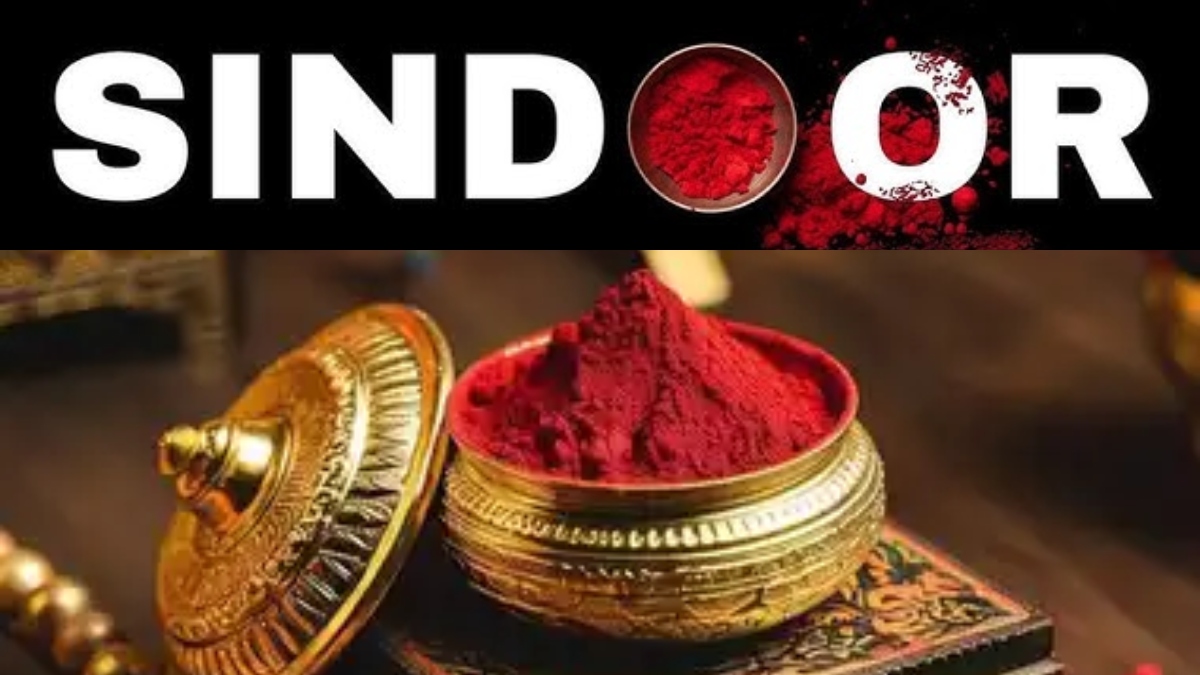
Tharoor, speaking at the National Press Club in Washington D.C., presented a narrative that went beyond the military implications of the operation. His focus was the cultural and emotional symbolism of sindoor—the red vermilion worn by married Hindu women as a sign of marital devotion and familial harmony. In the Pahalgam attack, 26 civilians, including a Nepali national, were murdered. Many were men killed in front of their families. This left behind a grim trail of widows whose sindoor—a symbol of love, continuity, and stability—was forcibly and violently erased.
Tharoor’s reference to a widow who pleaded with terrorists to take her life as well, only to be told, “No, go back and tell them what we’ve done,” underscores the cruelty designed not only to break individuals, but to terrorize an entire society. His chilling juxtaposition—”The colour of sindoor is not very different from the colour of blood”—highlighted how the terrorists didn’t just commit murder; they assaulted an entire cultural identity.
This was further emphasized by his reinterpretation of the old Hindi saying “Khoon ka badla khoon” (blood for blood), which he reframed as “Sindoor ka badla khoon” (blood in response to the loss of sindoor), symbolizing both retaliation and remembrance.
Bharat’s Tactical and Symbolic Response
Operation Sindoor was launched on May 7, less than three weeks after the Pahalgam massacre. It wasn’t just a military offensive; it was a carefully calculated counter-strike against specific terror outfits—Jaish-e-Mohammed, Lashkar-e-Taiba, and Hizbul Mujahideen—all known for their links to Pakistan’s Inter-Services Intelligence (ISI). The operation resulted in the elimination of over 100 militants and significant damage to Pakistani military infrastructure across both Pakistan and Pakistan-occupied Jammu & Kashmir (PoJK).
Crucially, the operation concluded swiftly, with hostilities ceasing by May 10 under a temporary ceasefire agreement. This swift execution reflects a paradigm shift in Bharat’s military doctrine—one that is assertive, precise, and governed by clear strategic intent.
Bharat’s response was not just about retribution. It was a message to the world that the country would not allow terrorism to dictate its domestic harmony or its international standing.
Diplomatic Groundwork and Global Solidarity
While the military action made headlines, the Bharatiya delegation’s real victory lay in shaping global narratives. Tharoor and his colleagues met with influential members of the U.S. Congress, including Ro Khanna, Andy Barr, Rich McCormick, and Marc Veasey, co-chairs of the House Bharat Caucus. These lawmakers expressed bipartisan solidarity, unequivocally condemning the Pahalgam attack and supporting Bharat’s right to self-defense.
In addition, meetings with leaders of the House Foreign Affairs Committee, including Chairman Brian Mast and Ranking Member Gregory Meeks, reinforced the growing strategic bond between Bharat and the United States. Key figures such as Ami Bera and Young Kim, known for their regional insights, echoed support for Bharat’s firm stance.
The Bharatiya Embassy noted that Operation Sindoor was presented not as a one-off military retaliation but as a “new normal” in Bharat’s counter-terrorism strategy. This reflects a maturing policy outlook—one that combines hard power with narrative diplomacy.
The Human Cost of Terrorism
What makes Operation Sindoor distinct is the way it encapsulates the human cost of extremism. It is not merely about geopolitics or military supremacy; it’s a tribute to those who were silenced, a promise to those who survived, and a warning to those who threaten peace.
According to Bharatiya government sources, in the last three years alone, over 450 civilians have lost their lives to cross-border terrorism in Jammu and Kashmir. The Pahalgam massacre, with its horrific targeting of families, was a devastating reminder of the emotional trauma terrorism inflicts.
The use of sindoor as a metaphor elevates this military operation into a cultural and emotional response, signifying the country’s mourning and its moral justification for taking a strong stand.
Strategic Narratives
Dr. Tharoor’s framing of the operation reveals a growing understanding in Bharatiya diplomacy: soft power and symbolism matter. In an era where global attention is fractured, emotional storytelling backed by concrete action can cut through political noise. By tying military action to cultural identity, Bharat has not only responded to terror but has done so in a way that resonates beyond its borders.
Critics may argue that symbolism can sometimes overshadow hard strategy. But in this case, Operation Sindoor appears to have struck the right balance—providing catharsis at home and clarity abroad. For a nation that has often been accused of restraint to a fault, this operation signifies a confident, assertive Bharat unwilling to let grief go unanswered.
Operation Sindoor stands out as a decisive military and diplomatic milestone in Bharat’s fight against cross-border terrorism. More than an airstrike or a counter-offensive, it was a statement—a narrative etched in grief, strength, and cultural identity. By choosing sindoor as its emblem, Bharat did more than retaliate; it reminded the world that every act of terror has a human face, and every response must carry not just the force of arms, but the weight of emotion.
