

Anjali Sharma
GG News Bureau
NEW YORK, 26th Jan. According to the National Institutes of Health on Thursday has reported that Alzheimer’s disease, a brain disorder that affects memory and thinking skills is the most common type of dementia.
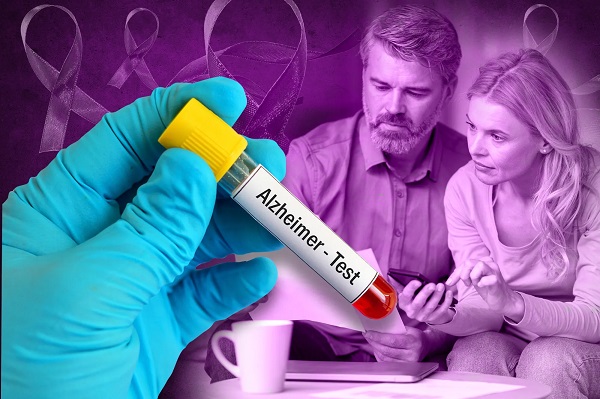
Swedish neuroscientists have developed a novel blood test that can spot the risk of Alzheimer’s disease 15 years before symptoms begin to appear among people over the age of 50, the news reports stated.
The test measures levels of a protein in the blood called phosphorylated tau — a specific blood biomarker for Alzheimer disease pathology, they said.
Scan or spinal tap are the current methods to identify beta amyloid and tau build up in the brains of people with the disease. But these are not only inaccessible often but also expensive.
The study published in the JAMA Neurology, showed that the new simple blood test is 96 per cent accurate in identifying elevated levels of beta amyloid and up to 97 per cent accurate in identifying tau.
The researchers led by Nicholas J. Ashton from the Department of Psychiatry and Neurochemistry at University of Gothenburg, Sweden said that “This study highlights the effectiveness of a commercially available plasma p-tau217 assay in identifying AD pathology. The results emphasized the important role of plasma p-tau217 as an initial screening tool in the management of cognitive impairment by underlining those who may benefit from anti-amyloid immunotherapies.”
“What was impressive with these results is that the blood test was just as accurate as advanced testing like cerebrospinal fluid tests and brain scans at showing Alzheimer’s disease pathology in the brain,” Ashton was quoted in news media.
The test used in the new study, called the ALZpath pTau217 assay, is a commercially available tool developed by the company ALZpath. ALZpath estimates the price of the test could be between $200 and $500.
The researchers wrote in their study that “A robust and accurate blood-based biomarker would enable a more comprehensive assessment of cognitive impairment in settings where advanced testing is limited.”
“Therefore, use of a blood biomarker is intended to enhance an early and precise AD diagnosis, leading to improved patient management and, ultimately, timely access to disease-modifying therapies,” it concluded.
