
Naxalism Nears End in AP, Telangana Ahead of Deadline
Police say underground Maoist presence almost wiped out in Telugu states

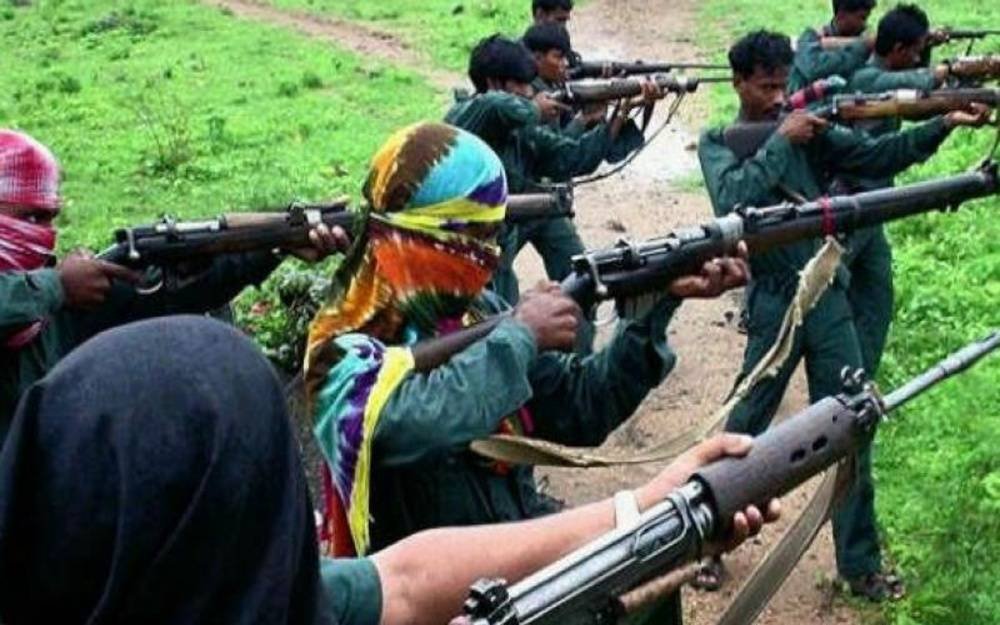
- Andhra Pradesh Police reports zero underground cadres
- Telangana Police says only 11 Maoists remain
- Major surrenders, arrests and encounters weaken movement
- Marks decline of decades-long Left Wing Extremism in region
GG News Bureau
Hyderabad/Vijayawada, 30th March: Naxalism is nearing its end in Andhra Pradesh and Telangana, with police in both states reporting a sharp decline in Maoist presence as the Union government’s March 31 deadline to eliminate Left Wing Extremism approaches.
The Andhra Pradesh Police on Sunday said there are now zero underground Maoist cadres left in the state, following the surrender of senior leader Chelluri Narayana Rao, also known as Somanna, in Vijayawada.
Authorities described Somanna as one of the last senior figures linked to the Andhra-Odisha border Maoist network. His surrender comes after sustained operations that included the killing of top Maoist leaders such as Madvi Hidma and CPI (Maoist) chief Nambala Keshava Rao in 2025.
Police also conducted large-scale crackdowns, arresting around 50 operatives across multiple districts and seizing weapons, ammunition and cash from Maoist hideouts.
In neighbouring Telangana, the Telangana Police said the Maoist movement is in its final stages, with only 11 underground cadres remaining, of whom just one or two are actively involved in armed activities.
Officials noted a steep drop in Maoist presence, from 124 underground cadres in 2023 to just 11 in 2026. Over 500 Maoists have surrendered in the state in the past year alone.
Among key developments, senior Maoist leaders such as Tippiri Tirupati surrendered earlier this year, while a major surrender event in Hyderabad saw 130 cadres lay down arms, marking a decisive blow to the insurgent network.
Police say these developments effectively signal the collapse of the People’s Liberation Guerrilla Army in Telangana.
The decline marks the end of a violent insurgency that shaped undivided Andhra Pradesh for nearly five decades, beginning in tribal regions and expanding across districts like Warangal, Karimnagar and Adilabad.
Counter-insurgency efforts, including the formation of the elite Greyhounds force in 1989 and intelligence-led operations in recent years, played a key role in weakening the movement.
Authorities believe the near-elimination of Maoist activity in the Telugu states represents a major milestone in India’s fight against Left Wing Extremism.
