

Paromita Das
New Delhi, 23rd July: New Bharat isn’t just reacting—it’s sending unmistakable, uncompromising signals that demand introspection and reversal. Just as Bharat now flexes diplomatic strength to compel global actors to rethink and retract provocations, the recent Bombay High Court acquittal in the 2006 Mumbai train blasts should serve as a defining moment—forcing the justice system to reevaluate its failures and answer for them.
A Tragic Episode Revisited: Mumbai’s Darkest Hour
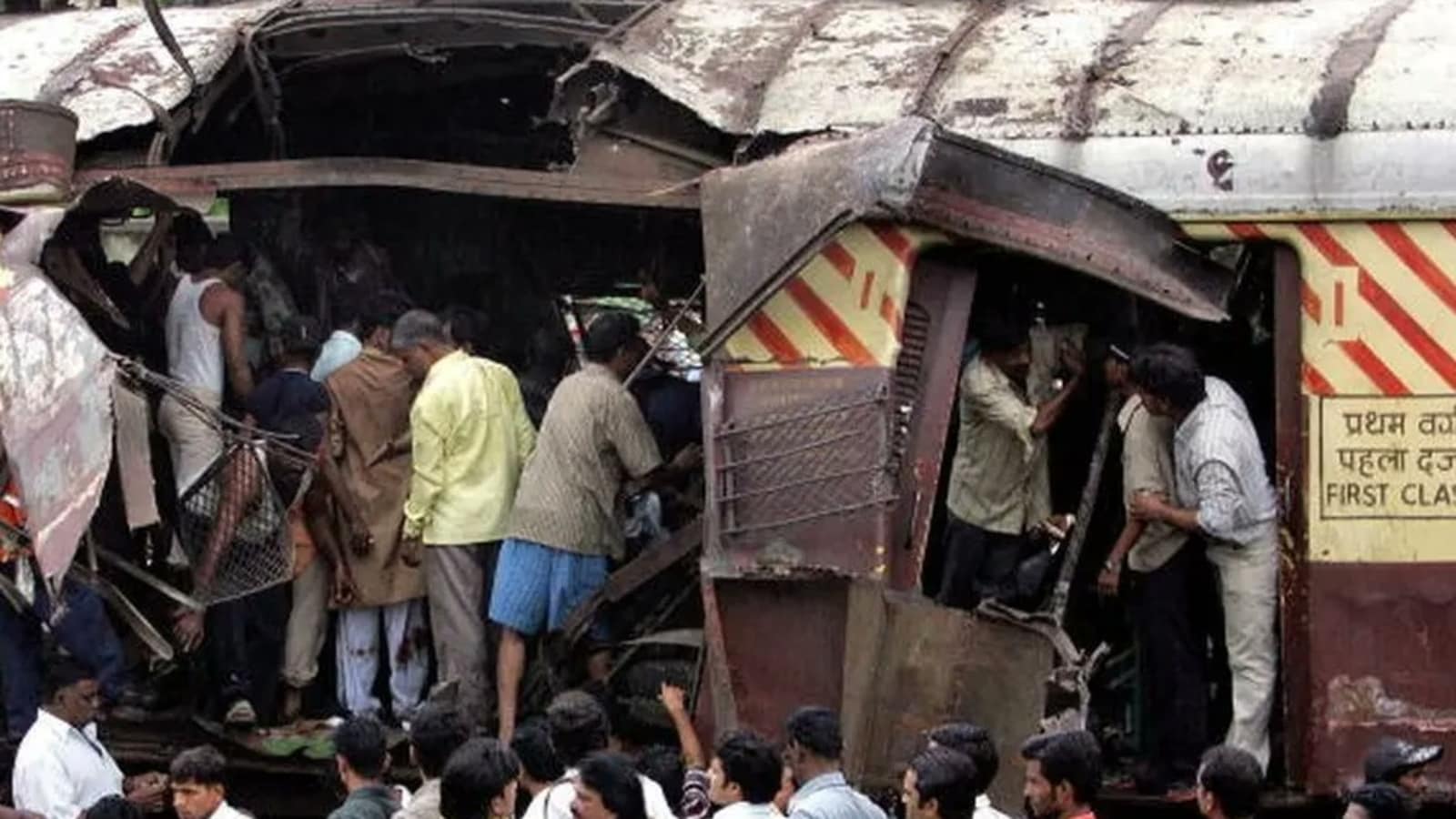
In the summer of 2006, evening commuters in Mumbai were shattered by seven coordinated blasts on suburban trains. Within 11 harrowing minutes, 187 individuals lost their lives and over 800 were wounded. The city and nation reeled from the carnage, vowing swift justice for the victims.
The High Court’s Stark Verdict
Nineteen years later, justice arrived—but not as expected. The Bombay High Court acquitted all 12 men previously convicted—including five on death row—concluding that the prosecution’s case was fatally flawed. Investigators relied on unverified confessions, lacked forensic evidence, and built a narrative so weak it collapsed in court. The ruling confirmed that legal responsibility cannot stand on sand.
Lives Fractured, Faith Undermined
For the accused, the verdict brings reluctant relief—after nearly two decades behind bars for seemingly unproven crimes. For victims’ families, it revives grief and frustration: years of waiting for closure dissolved by procedural failure. Innocent lives were evidently damaged twice—first by bombs, then by broken justice.
No Accountability, No Apology
Perhaps most troubling: not a single law enforcement officer or prosecutor has faced consequences. No internal investigation, no disciplinary action—only silence. When justice fails, structural accountability is the only remedy, yet none has been offered.
Historical Echoes of Judicial Collapse
This isn’t an anomaly. Like the Malegaon blasts and the Samjhauta Express case, investigations in terror cases often unravel due to flimsy evidence and coerced confessions. A pattern emerges: hasty arrests, aggressive prosecution, and eventual judicial embarrassment. Each failure corrodes public faith and undermines the principle of due process.
A National Moment of Reckoning
This moment could ignite the same resolve we’ve shown abroad—where Bharat’s measured yet firm diplomatic responses demand respect and acknowledgment. Domestically, the justice system must face its failures with equal resolve. It’s time to institutionalize accountability, enforce evidence-based investigations, and ensure no suspect is wrongfully jailed—or the guilty allowed to walk free.
A Call to Action
Bharat must demand systemic reform. Investigators and prosecutors in failed cases must be scrutinized. Independent reviews must become standard, and legal barriers preventing accountability must be dismantled. Stronger forensic protocols, transparent procedures, and legal liability for negligence are essential. Justice should not depend on the whims of timing or media attention.
A Crossroads for Justice
The 2006 Mumbai blasts were not just a moment of terror—they were a test of Bharat’s justice system. The acquittal, while legally warranted, illuminates profound moral and institutional shortcomings. If we remain silent, we fail the victims twice over. As new Bharat demands honesty and recalibration in its foreign relations, the same watchful intensity must be turned inward—toward delivering justice that is not just swift, but sound, transparent, and accountable.
