
Modi’s Silence Is Strategic, Not Weak
Why loud outrage is not India’s foreign policy — and why restraint is the real power move

By Harshita Rai
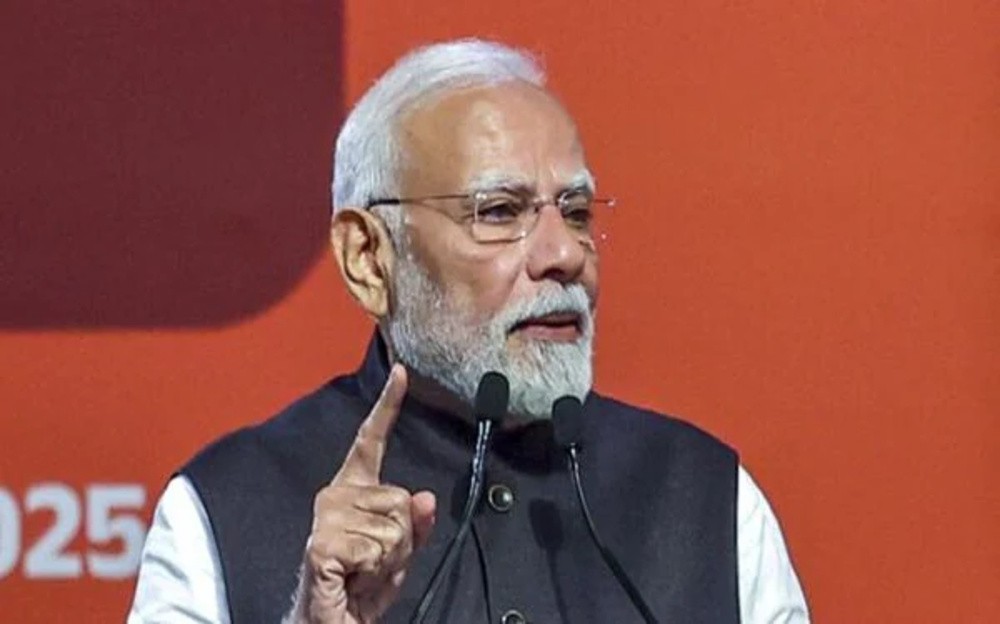
Critics seem unable to decide how to label Prime Minister Narendra Modi. One day he is called “fearful.” The next, he is branded “arrogant.” Soon after comes the familiar chorus — why is Modi silent, and why does he not publicly respond to leaders like Donald Trump?
The question that is rarely asked is this: what would India actually gain if Modi began responding to every global remark with emotional counter-statements?
Would tariffs automatically be lifted? Would markets stabilise? Would geopolitical tensions ease?
Foreign policy is not a television debate. It is a long-term strategic exercise designed to protect national interest, not to satisfy daily political appetite. Nations do not gain strength through noise. They gain strength through consistency, trust, and calculated engagement.
Prime Minister Modi had clearly articulated the foundation of India’s foreign policy long ago — stability, strategic autonomy, and results-driven partnerships. His approach avoids impulsive diplomacy and focuses on strengthening defence cooperation, expanding trade corridors, securing energy routes, and building long-term alliances.
In an increasingly volatile global environment, restraint is not a sign of weakness. It is leverage. It allows India to remain predictable, reliable, and respected — three qualities that investors, allies, and strategic partners value the most.
Those who demand loud retaliation confuse attention with authority. They mistake visibility for influence. India’s growing global footprint, expanding trade partnerships, and rising diplomatic stature tell a different story — one shaped quietly, not loudly.
India does not need to shout to assert itself.
It needs to stay steady to grow stronger.
Silence, when backed by strategy, is not absence.
It is authority in action.
