
Modi Cabinet Clears ₹1,526 Cr NH-326 Upgrade in Odisha
Mohana–Koraput corridor to be widened with paved shoulders, boosting connectivity in southern Odisha

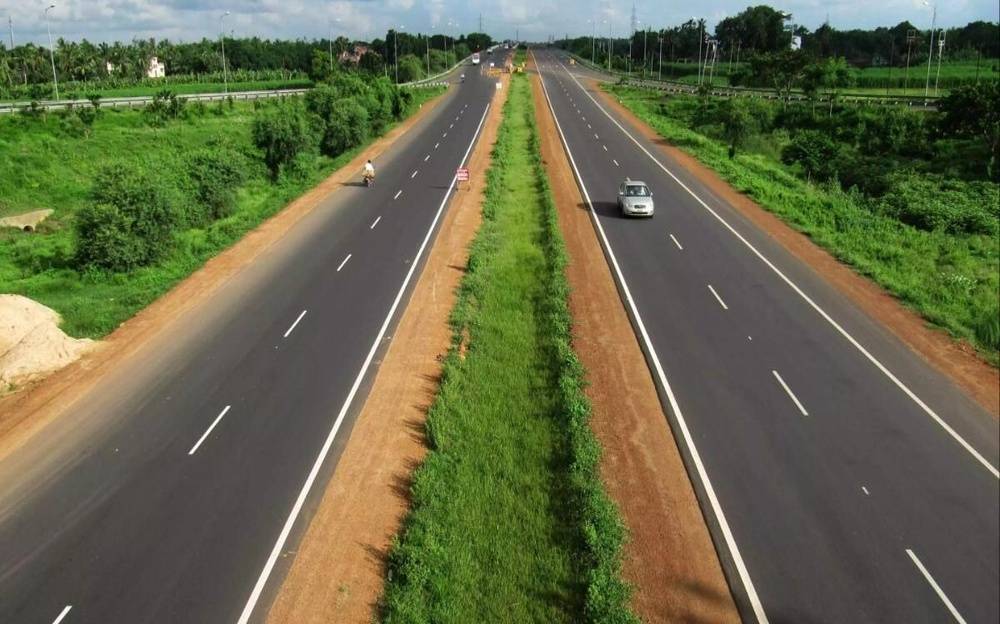
- Cabinet approves ₹1,526.21 crore NH-326 upgrade in Odisha
- 243-km stretch to be widened and strengthened on EPC mode
- Project to benefit Gajapati, Rayagada and Koraput districts
- Travel time to drop by up to three hours after upgrade
GG News Bureau
New Delhi, 31st Dec: The Union Cabinet chaired by Prime Minister Narendra Modi on Wednesday approved the widening and strengthening of the Mohana–Koraput stretch of National Highway-326 in Odisha at a total cost of ₹1,526.21 crore.
The project will upgrade the existing 2-lane road to a 2-lane highway with paved shoulders from Km 68.600 to Km 311.700 under NH(O) on EPC mode. Of the total outlay, ₹966.79 crore is earmarked for civil construction.
Major Connectivity Boost
The corridor currently suffers from sub-standard geometry, deficient curves and steep gradients, restricting safe and efficient movement of heavy vehicles. The upgrade will correct curves and gradients, remove black spots and strengthen pavements to enable smooth movement of goods and passengers while lowering vehicle operating costs.
The improved highway will provide faster and safer connectivity across Gajapati, Rayagada and Koraput districts and strengthen links with NH-26, NH-59, NH-16 and the Raipur–Visakhapatnam corridor. It will also improve last-mile connectivity to Gopalpur port, Jeypore airport and key railway stations.
Economic and Social Impact
The upgraded corridor will connect major industrial hubs such as NALCO, Vedanta, Utkal Alumina, HAL, JK Paper and IMFA, as well as education and tourism centres including Central University of Odisha, Koraput Medical College, Taptapani and Rayagada.
Officials said the project will reduce travel time between Mohana and Koraput by nearly 2.5 to 3 hours, cut distance by about 12.46 km, and stimulate tourism, trade and access to healthcare and education, especially in tribal and aspirational regions.
Implementation and Timeline
The project will be implemented on EPC mode and is targeted for completion within 24 months, followed by a five-year defect liability period. Construction will adopt modern quality assurance techniques, including drone mapping and Network Survey Vehicle monitoring.
Employment Generation
The project is expected to generate large-scale direct and indirect employment during construction and maintenance, benefiting skilled, semi-skilled and unskilled workers, while boosting local industries related to construction materials, transport and services.
