
Market Crash: Sensex, Nifty Sink as Iran War Triggers Panic
Rs 14 lakh crore wiped out; oil surge, weak rupee deepen sell-off

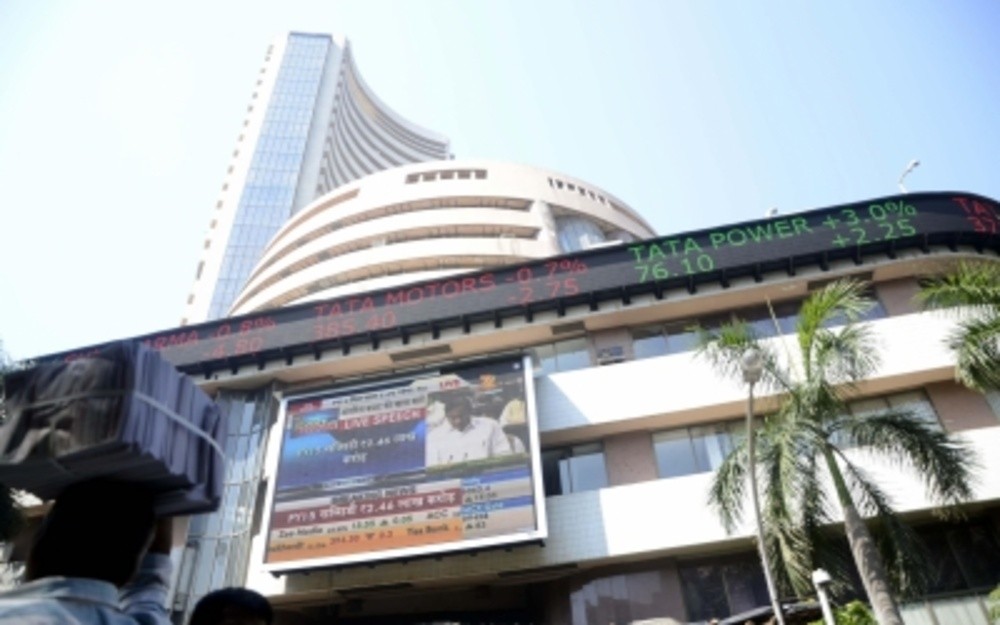
- Sensex, Nifty close sharply lower amid global tensions
- Investors lose over Rs 11.78 lakh crore within first hour
- Crude oil surge and weak rupee hit sentiment
- Broad-based selling across banking, IT, auto sectors
GG News Bureau
Mumbai,23rd March: Indian benchmark indices BSE Sensex and Nifty 50 ended sharply lower on Monday as escalating tensions in West Asia and uncertainty over the Strait of Hormuz rattled investor confidence.
The sell-off was swift and severe, with investors losing nearly Rs 11.78 lakh crore within the first hour of trading. The total market capitalisation of BSE-listed companies plunged from Rs 428.76 lakh crore on Friday to Rs 414 lakh crore by the close.
Market experts attributed the decline to rising geopolitical risks, particularly the ongoing Iran conflict, which threatens global oil supply routes.
Crude oil prices surged sharply, adding pressure on an import-dependent economy like India. Brent crude hovered above $112 per barrel, while WTI crossed $99, intensifying inflation concerns and raising input costs for companies.
The Indian rupee further weakened, hitting a record low of 94 against the US dollar. The currency has depreciated around 3% since the conflict began, amplifying fears of inflation and foreign capital outflows.
The sell-off was broad-based, with heavy losses across sectors. Banking stocks such as HDFC Bank, ICICI Bank, and Axis Bank declined significantly, while IT majors Infosys and TCS also slipped. Auto, consumption, infrastructure, and cement stocks followed the downward trend.
Foreign Portfolio Investors (FPIs) continued aggressive selling, offloading over Rs 1 lakh crore worth of equities since the conflict escalated. Analysts noted that rising oil prices, currency weakness, and global uncertainty have made emerging markets less attractive in the short term.
Global cues further worsened sentiment, with Asian markets witnessing sharp declines amid fears of prolonged geopolitical instability, rising inflation, and delayed interest rate cuts.
Market participants remain cautious as volatility is expected to persist, with future direction largely dependent on developments in the Iran conflict, crude oil movements, and currency stability.
