
Maharashtra Repeals 80 Obsolete Laws
Assembly clears reform push; govt moves to streamline governance and boost transparency

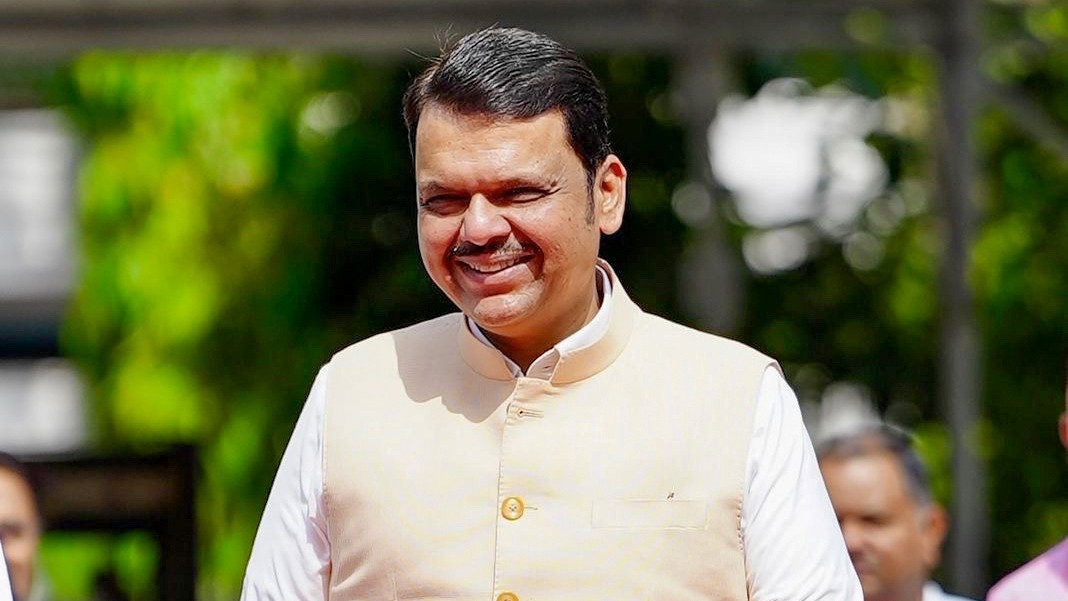
- Maharashtra Assembly passes Bill scrapping 80 outdated laws
- Govt says move will remove legal ambiguity and improve governance
- Laws from multiple regions including Bombay and Hyderabad repealed
- SHRC reforms: nodal officer appointed, online portal under consideration
GG News Bureau
Mumbai, 17th March: The Maharashtra Legislative Assembly on Tuesday passed a Bill to repeal 80 obsolete laws, marking a key administrative reform aimed at improving governance and reducing legal complexity.
The Maharashtra Repealing Bill, 2026 was introduced by General Administration Minister Ashish Shelar and cleared after a detailed discussion in the House.
Presenting the government’s position, Shelar said that several laws had become outdated due to constitutional changes, state reorganisation, and the enactment of new legislation. Retaining such provisions, he noted, was creating confusion in administrative functioning.
The government undertook a comprehensive review of existing laws before deciding to repeal those no longer relevant. The repealed set includes 24 Bombay Acts, 8 Central Provinces & Berar Acts, 18 Hyderabad Acts, 3 Madhya Pradesh Acts, and 24 Appropriation Acts.
Among the legislations scrapped are colonial-era and outdated laws such as The Bengal Alluvion and Diluvion Regulation, 1825; The Bombay Abkari Act, 1878; The Borstal Schools Act, 1929; The Bombay Fodder and Grain Control Act, 1939; and The Bombay Cotton Control Act, 1942, among others.
The move is aimed at simplifying the legal framework and ensuring clarity in governance by removing redundant provisions from the statute books.
Meanwhile, Minister of State for Home Yogesh Kadam informed the Assembly that the government has initiated steps to ensure time-bound implementation of recommendations made by the State Human Rights Commission (SHRC).
Responding to a query raised by MLA Atul Bhatkhalkar, Kadam said a nodal officer at the Deputy Secretary level has been appointed to monitor compliance, with action planned on 30 pending cases.
He added that the government is considering creating a separate budget head for implementing SHRC recommendations and is also exploring the launch of a dedicated online portal. The proposed platform would allow complainants to track the status of their cases, enhancing transparency and accountability in administrative processes.
The twin initiatives — repealing outdated laws and strengthening human rights mechanisms — signal the state government’s focus on modernising governance and improving institutional efficiency.
