
Libraries Institution of Utmost Importance: Meenakashi Lekhi at NGMA Book Interaction

GG News Bureau
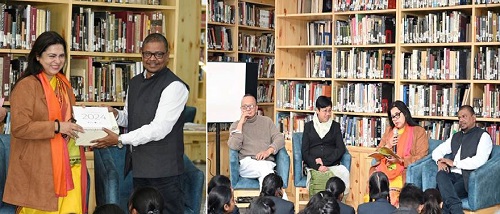
New Delhi, 7th Feb. The National Gallery of Modern Art (NGMA), in collaboration with Penguin & Imasi Foundation, hosted a special interaction with authors L. Somi Roy and Dr. Thangjam Hindustani Devi, presenting their book “Feathers, Fools, and Farts,” at its Library.
The event, a testament to NGMA’s commitment to fostering creative discourse, celebrated libraries as dynamic hubs for informal learning and exchange.
“Feathers, Fools, and Farts” offers a captivating retelling of Manipuri folktales, enriched with vibrant illustrations that showcase the rich visual heritage of Manipur.
Meenakashi Lekhi, Minister of State for Culture and External Affairs, graced the occasion with a special reading from the book, emphasizing the profound significance of libraries.
Reflecting on her personal experiences, she highlighted the transformative role of libraries in her life, recalling fond memories of how books and a cup of coffee would enrich her days.
Lekhi’s vision underscores the vital role of libraries as institutions of utmost importance, aligning with NGMA’s mission to cultivate engaging and interactive spaces for informal learning. The event marked the beginning of NGMA’s educational programs at its Library, under the guidance of Director-General, Shri Sanjeev Kishore Gautam.
Dr. Gautam emphasized the crucial role of books in fostering mental well-being, particularly among children inundated with digital devices. He announced NGMA’s commitment to organizing regular book reading sessions with students from various educational institutions, aiming to instill a love for reading and nurture libraries as hubs of meaningful conversations.
The storytelling session by Roy and Hindustani Devi holds special significance, as it showcases the integration of Manipuri folktales into mainstream literature, accompanied by exquisite illustrations reflecting the indigenous art form of Subika painting from the Meitei community.
This initiative underscores NGMA’s dedication to promoting cultural diversity and preserving traditional narratives in contemporary discourse.
