

By Poonam Sharma
The Bharatiya Janata Party (BJP) has strongly objected to what it describes as external interference in India’s internal affairs following a handwritten note sent by New York City Mayor Zohran Mamdani to jailed activist Umar Khalid. The party’s response highlights ongoing sensitivities around international commentary on India’s legal and political processes, particularly in cases linked to national security and public order.
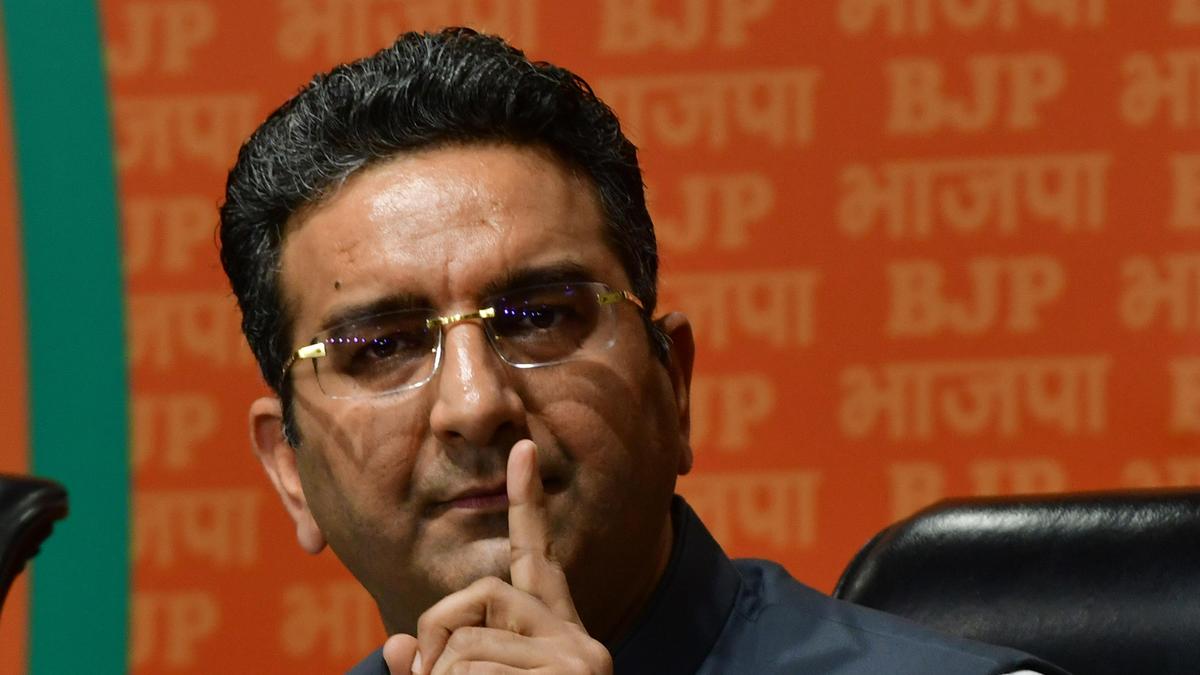
Addressing a press conference in New Delhi on January 2, BJP national spokesperson Gaurav Bhatia accused Mayor Mamdani of crossing diplomatic and political boundaries by expressing support for Umar Khalid, who has been in judicial custody in connection with the February 2020 Delhi violence case. According to the BJP, any public expression of solidarity by a foreign political figure with an individual accused under Indian law amounts to unwarranted interference in the country’s sovereign affairs.
Mr. Bhatia questioned Mayor Mamdani’s authority to comment on India’s judicial system or democratic institutions. He asserted that India is a sovereign nation with a robust legal framework and an independent judiciary, and that matters under trial should be left to due process. Emphasising public trust in the judiciary, the BJP spokesperson said the Indian people have full confidence in the courts to deliver justice without external pressure or influence.
The controversy arose after a handwritten note from Mr. Mamdani to Umar Khalid surfaced on social media platform X. The note was shared by Mr. Khalid’s partner, Banojyotsna Lahiri, with a caption suggesting that words and solidarity can travel beyond prison walls. In the message, Mayor Mamdani referred to Khalid’s reflections on bitterness and the importance of not allowing it to consume oneself. He also mentioned meeting Khalid’s parents and conveyed that many people were thinking of him.
While the note itself was brief and personal in tone, the BJP interpreted it as a political statement. Mr. Bhatia reacted sharply, stating that any support extended to an accused person—particularly by a foreign official—raises serious concerns. He said India would not tolerate attempts to question its democracy or judiciary, especially when such comments come from what he termed an “outsider.”
The BJP spokesperson went further to argue that Khalid is not merely an individual under trial but someone accused of attempting to destabilise the country. He said it was inappropriate for a foreign political leader to express solidarity with a person booked under stringent laws meant to protect national security. According to Mr. Bhatia, such actions undermine India’s legal institutions and disregard the gravity of the charges involved.
Umar Khalid has been charged under the Unlawful Activities (Prevention) Act (UAPA), 1967, as well as sections of the Indian Penal Code. The charges relate to his alleged role as one of the “masterminds” behind the February 2020 Delhi violence, which resulted in the deaths of 53 people and left more than 700 injured. The case remains under judicial consideration, and Khalid continues to be in custody.
The BJP’s reaction also comes against the backdrop of growing international attention to Khalid’s detention. Recently, eight lawmakers from the United States wrote a letter urging Indian authorities to grant Khalid bail and ensure a fair trial in accordance with international legal standards. Although this development was separate from Mayor Mamdani’s note, it has added to the Indian government’s concerns about foreign commentary on domestic legal matters.
Mr. Bhatia reiterated that India’s sovereignty is non-negotiable and said the nation would stand united in the face of any challenge to its internal processes. He emphasised that India does not require validation or advice from foreign officials on how to run its democracy or judiciary. Invoking Prime Minister Narendra Modi’s leadership, he said the country would remain firm and united whenever its sovereignty is questioned.
The episode once again brings into focus the delicate balance between freedom of expression and respect for national sovereignty in an interconnected world. While supporters of Khalid view international expressions of concern as moral support for human rights, the BJP sees them as attempts to influence or delegitimise India’s legal system.
As the legal proceedings continue, the debate over foreign involvement, political expression, and judicial independence is likely to persist. For now, the BJP has
BJP Slams Foreign Commentary on India’s Legal Process
The Bharatiya Janata Party (BJP) has raised strong objections to what it describes as interference in India’s internal affairs following a handwritten note sent by New York City Mayor Zohran Mamdani to jailed activist Umar Khalid. The party’s reaction reflects long-standing concerns within the Indian political establishment about foreign political figures commenting on sensitive domestic issues, particularly those involving national security and ongoing judicial proceedings.
At a press conference held in New Delhi on January 2, BJP national spokesperson Gaurav Bhatia criticised Mayor Mamdani for expressing support for Khalid, who is currently in judicial custody in connection with the February 2020 Delhi violence case. Mr. Bhatia questioned the mayor’s “locus standi” to comment on India’s democracy and judiciary, asserting that such remarks amounted to unwarranted interference by an external actor.
Emphasising India’s sovereignty, the BJP spokesperson stated that the country would not tolerate any attempts to influence or question its internal legal processes. He said that the people of India have complete faith in the independence and integrity of the judiciary, and that matters under trial must be allowed to proceed without pressure from foreign individuals or institutions.
Mamdani’s Note and the Political Backlash
The controversy began after a handwritten note from Mayor Mamdani to Umar Khalid was shared on social media platform X by Khalid’s partner, Banojyotsna Lahiri. The caption accompanying the post suggested that while prisons attempt to isolate individuals, words and solidarity can travel beyond prison walls.
In the note, Mayor Mamdani referred to Khalid’s reflections on “bitterness” and the importance of not allowing it to consume oneself. He also mentioned that it was a pleasure to meet Khalid’s parents and conveyed that many people were thinking of him. The note was brief and personal in tone, but its public circulation drew sharp political reactions in India.
Reacting to the development, Mr. Bhatia said that if anyone, particularly a foreign political figure, comes out in support of an accused person and interferes in India’s internal matters, the country would not accept it. He argued that it was inappropriate for an “outsider” to raise questions about India’s democracy and judiciary, especially when doing so in support of an individual accused of serious offences.
According to the BJP, such gestures are not merely personal expressions of solidarity but carry political implications, particularly when they come from elected officials in other countries.
Case Background and Broader Diplomatic Sensitivities
Umar Khalid has been booked under the Unlawful Activities (Prevention) Act (UAPA), 1967, along with provisions of the Indian Penal Code. He and several others are accused of being among the “masterminds” behind the February 2020 Delhi violence, which resulted in the deaths of 53 people and left over 700 injured. The case remains under judicial consideration, and Khalid continues to be in custody.
The BJP’s response to Mayor Mamdani’s note also comes at a time when Khalid’s detention has attracted international attention. Recently, eight lawmakers from the United States wrote to Indian authorities urging that Khalid be granted bail and be ensured a fair trial in accordance with international law. While separate from Mamdani’s gesture, such developments have intensified concerns within the ruling party about foreign involvement in India’s domestic legal matters.
Mr. Bhatia reiterated that India’s sovereignty is non-negotiable and said the nation would remain united whenever its internal processes are challenged. He added that under the leadership of Prime Minister Narendra Modi, India would firmly defend its democratic institutions and judicial independence.
The episode highlights the continuing tension between international expressions of concern and India’s insistence on non-interference in domestic affairs. While supporters of Umar Khalid view global attention as an appeal for justice and human rights, the BJP maintains that India’s courts are fully capable of handling such cases without external commentary.
As legal proceedings continue, the debate over sovereignty, foreign political expression, and judicial independence is likely to persist, keeping the issue firmly in the public and political spotlight.
