
Lebanon Bans Hezbollah Military Wing
PM Nawaf Salam restricts group to political role after Israel airstrikes

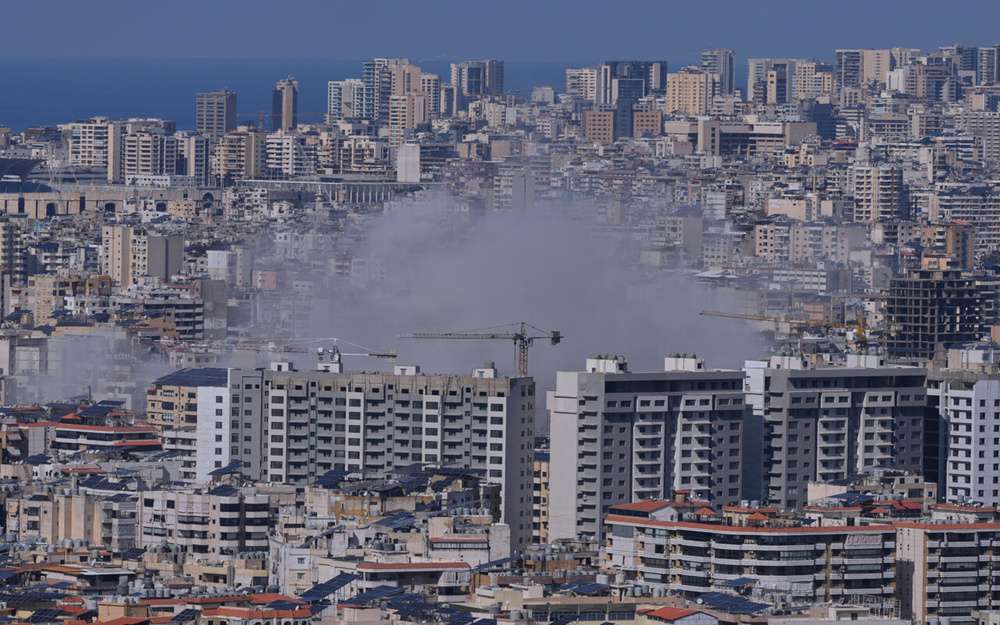
- Lebanon bans Hezbollah’s military and security activities
- Move follows Israeli airstrikes on southern Beirut
- Over 30 killed, nearly 150 injured in retaliation
- Government commits to ceasefire and renewed talks
GG News Bureau
Beirut, 2nd March: The Lebanese government has banned all military and security activities of Hezbollah following Israeli airstrikes on southern Beirut, escalating tensions in the region.
The strikes came after the Iran-backed militant group launched rockets and drones into Israeli territory without state consultation, directly contradicting the government’s stated policy of avoiding regional escalation. According to Al Jazeera, citing Lebanon’s state-run National News Agency, more than 30 people were killed and 149 others injured in the Israeli retaliation.
Prime Minister Nawaf Salam announced that Hezbollah’s armed operations would no longer be permitted. “We announce a ban on Hezbollah’s military activities and restrict its role to the political sphere,” he said, adding that any military or security operations outside legitimate state institutions are illegal. He directed security forces to prevent attacks originating from Lebanese territory and reaffirmed Lebanon’s commitment to a cessation of hostilities and renewed negotiations.
Hezbollah, however, defended its actions, stating that its rocket and drone attacks were in retaliation for the killing of Ayatollah Ali Khamenei. The group said its operations were carried out in “defence of Lebanon and its people” and in response to what it described as repeated Israeli aggressions.
The latest flare-up threatens a fragile ceasefire that had held for over a year following intense hostilities between Hezbollah and Israel. The two sides previously fought a devastating war in 2006 and renewed clashes in 2023-24, leaving thousands dead and over a million displaced in Lebanon.
The current developments signal renewed uncertainty in West Asia, with fears that the confrontation could widen if diplomatic efforts fail.
