
Know Your MP: Chirag Paswan — The Heir to Hajipur’s Legacy and Bihar’s New Flight

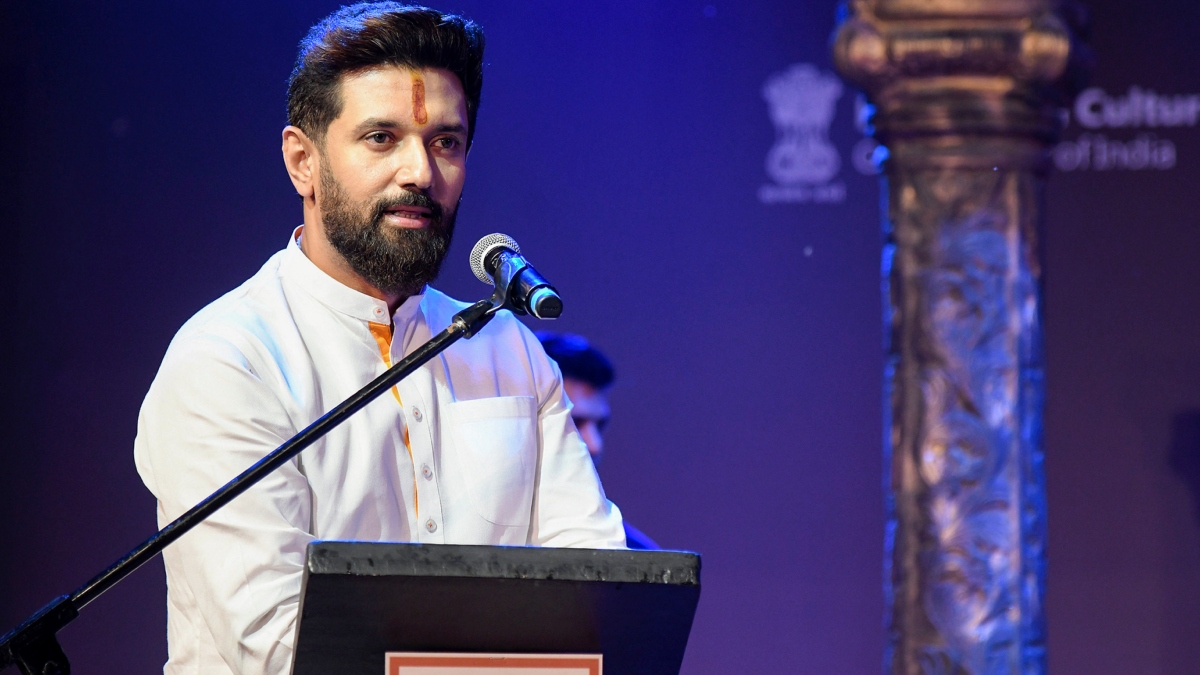
Harshita Rai
In Bihar’s political heartland, Hajipur stands as both a memory and a mission — and its present custodian, Chirag Paswan, embodies both. Born on October 31, 1982, Chirag carries the illustrious political legacy of his father, the late Ram Vilas Paswan, one of India’s most astute political minds, often referred to as the “weatherman” of Indian politics.
As the National President of the Lok Janshakti Party (Ram Vilas), Chirag’s political career reflects a generational shift — youthful, aspirational, and rooted in his father’s ideology of social justice and inclusivity. Though his initial foray was in Bollywood, Chirag Paswan soon turned toward politics, choosing service over stardom.
His political journey began from Jamui, but Hajipur remains his emotional and ideological base, a constituency that has defined the Paswan family’s political identity for decades. For Hajipur’s voters, Chirag is not merely an MP — he is the torchbearer of a cherished legacy.
Hajipur’s Mandate: Development and Dignity
Despite being home to a major Indian Railways zonal headquarters, Hajipur has long battled industrial stagnation, recurrent floods, and youth migration. Its politics, interwoven with caste equations, also mirrors the state’s deeper social complexities.
The people’s message, however, remains clear — Hajipur seeks an MP who can raise its voice in Delhi while ensuring visible change on the ground: employment, connectivity, and infrastructure.
Chirag Paswan’s “Bihar First, Bihari First” vision seeks to answer that call. The slogan is more than rhetoric; it represents a blueprint for inclusive growth, emphasizing skill, entrepreneurship, and dignity for every citizen.
MPLADS: Tracking the Mandate in Motion
Under the Members of Parliament Local Area Development Scheme (MPLADS), Chirag Paswan’s tenure has seen focused spending on industrial revival, rural connectivity, and railway amenities.
Representative MPLADS Fund Utilization (Estimated Figures):
| Category | Amount (₹ crore) | Remarks |
|---|---|---|
| Total Eligibility (2019–2024) | 17 | Full term estimate |
| Funds Released | 8 | Estimated disbursal |
| Total Available (with interest) | 8.25 | |
| Projects Recommended | 12 | By the MP |
| Projects Approved | 6.50 | Officially sanctioned |
| Expenditure | 5.50 | Estimated utilization |
| Utilization Rate | ~68.75% | ₹5.50 crore of ₹8 crore spent |
| Unspent Balance | 2.75 | Pending or in process |
Analysis:
A 68.75% utilization rate indicates progress, though gaps remain between sanctioned and executed works — suggesting pending project completion or delayed disbursal.
Focus Areas: From Roads to Railways
- Rural Roads: Rehabilitation and construction in flood-prone panchayats have been prioritized to ensure connectivity and resilience.
- Community Centres: Funds allocated for Dalit and Mahadalit localities, promoting inclusion and social harmony through shared community spaces.
- Rail Infrastructure: Advocacy for modern amenities like foot overbridges, lifts, and waiting halls, enhancing passenger comfort at Hajipur Junction.
Industrial Revival and Employment Vision
Chirag’s long-term goal is reviving Hajipur’s industrial landscape — a vision tied to curbing migration and boosting local employment.
Chirag Paswan has pressed for a dedicated industrial park, improved rail and road connectivity, and integration of central schemes like Skill India and Startup India at the constituency level. His proposed model focuses on skill development centres and small incubation hubs, enabling youth to become entrepreneurs rather than job seekers.
Leadership Amid Crisis: The COVID Years
The pandemic years of 2020–21 tested both governance and empathy. Following his father’s demise, Chirag held Hajipur close, transforming his constituency office into a coordination hub for relief.
His MPLADS fund — as permitted under emergency allocation — was diverted to community health infrastructure, including oxygen concentrators and ambulance services for rural health centres. His leadership reflected not just administrative responsibility but emotional connection.
Transparency, Delays, and Challenges
Despite visible efforts, Chirag’s tenure has not been without criticism. Detractors cite bureaucratic inertia and party-level turbulence as factors slowing project execution.
While some question the uneven distribution of MPLADS funds, others argue his long-term, policy-driven approach will yield results over time. The gap between vision and execution, however, remains a test of his leadership.
The Road Ahead: Testing the Bihar First Vision
As Bihar moves toward its next political cycle, Chirag Paswan’s leadership faces a dual test — honoring his father’s towering legacy while proving his own governance credentials.
For Hajipur’s people, progress means better roads, steady jobs, flood control, and active industries. For Chirag, it’s about transforming his “Bihar First, Bihari First” vision into tangible outcomes.
Hajipur is more than an electoral seat — it’s a laboratory of leadership, where legacy meets accountability.
Conclusion
Chirag Paswan stands at a defining point in his political journey — balancing inheritance with innovation. His emphasis on connectivity, industrial growth, and youth empowerment underlines a developmental agenda that aligns with Bihar’s future aspirations.
Yet, the implementation gap and unspent MPLADS funds underscore the need for accelerated, transparent ground action. For Hajipur, trust in the Paswan legacy runs deep — but as expectations rise, visible change on the ground will determine whether Chirag’s “Bihar First” vision translates into lasting transformation.
