
Kedarnath Buried Under 21.4 MT Waste During 2025 Yatra
Nearly 60% Garbage Unprocessed; Fragile Himalayan Shrine Faces Ecological Threat

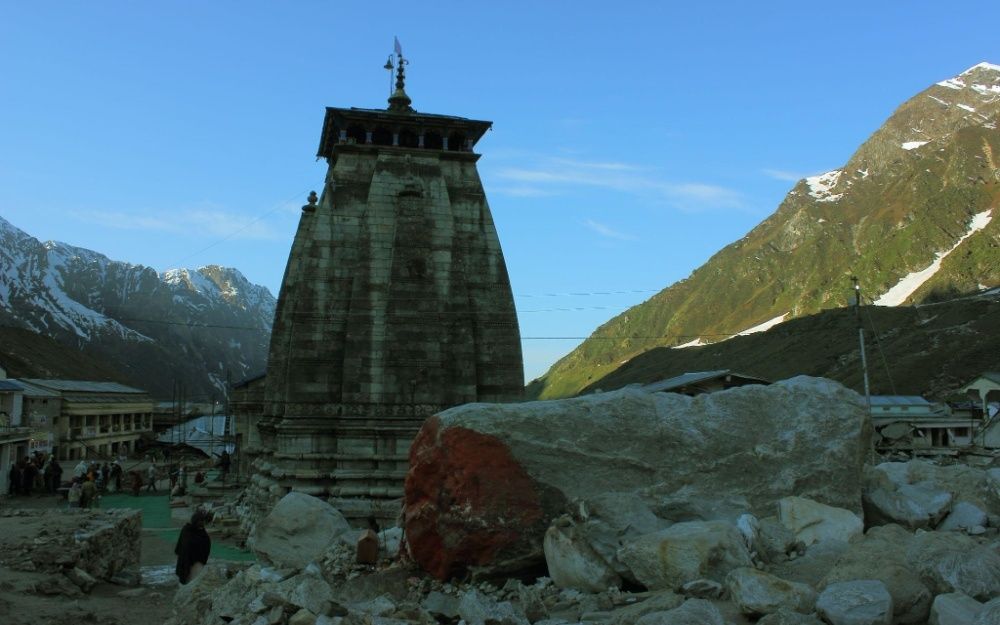
- 21.4 MT solid waste generated during 2025 Yatra season
- 12.7 MT left unprocessed despite new recovery facility
- Peak waste recorded in May and June amid pilgrim surge
- Carrying capacity limit of 13,111 per day routinely breached
GG News Bureau
Kedarnath, 27th Feb: A mounting waste crisis is unfolding at Kedarnath Temple, one of Hinduism’s holiest shrines, as garbage generation during the 2025 Yatra season touched alarming levels.
According to data released by Nagar Panchayat Kedarnath in response to queries filed by environmentalist Amit Gupta, the shrine generated 21.4 metric tonnes (MT) of solid waste between May and October 2025 — a 22% increase from the previous year. Of this, only 8.7 MT (around 40%) was processed, leaving 12.7 MT dumped in landfills or open areas near the base camp.
Waste volumes peaked during the initial Yatra rush. May recorded 4.8 MT, followed by 5.6 MT in June. July saw 3.6 MT, while August, September and October recorded 1.1 MT, 1.2 MT and 1.5 MT respectively.
Despite a newly operational 5-tonnes-per-day Material Recovery Facility (MRF), officials admitted processing rates improved only marginally due to operational challenges. A ₹3.13 crore proposal for wet waste disposal machines is still awaiting approval, forcing reliance on basic landfills, including a new 1,500-foot dump near the base camp.
By the end of the season, the unprocessed waste heap had reportedly grown to a size equivalent to the weight of nearly 2,500 adult elephants.
Situated at 3,583 metres in Uttarakhand’s Garhwal Himalayas, Kedarnath is a key stop in the Char Dham Yatra. Improved road access, helicopter services and tourism promotion have sharply increased pilgrim inflow.
In 2024, the Char Dham circuit recorded over 4.8 million pilgrims. By early 2025, the Yatra had generated ₹300 crore in just 48 days, including ₹11 crore from helicopter services and ₹60 crore from mule transport.
However, environmentalists warn that plastic waste and food scraps are contaminating the nearby Mandakini River, posing risks to downstream communities and wildlife in this ecologically sensitive zone.
A carrying capacity survey completed in November 2025 recommended limiting daily visitors to 13,111. Officials acknowledge that this threshold is frequently exceeded during peak season.
While authorities collected ₹4.17 lakh in littering fines during early 2025, critics argue enforcement remains weak compared to the scale of the problem. With pilgrim numbers projected to reach 6 million by year-end, experts are calling for urgent measures including digital crowd control systems, eco-bag mandates and stricter waste segregation protocols.
As preparations begin for the 2026 Yatra, the challenge remains stark: balancing devotion with environmental preservation in the fragile Himalayan ecosystem.
