
Karnataka Tables Anti-Honour Crime Bill
‘Eva Nammava’ law aims to protect choice marriages, ensure strict action against honour crimes

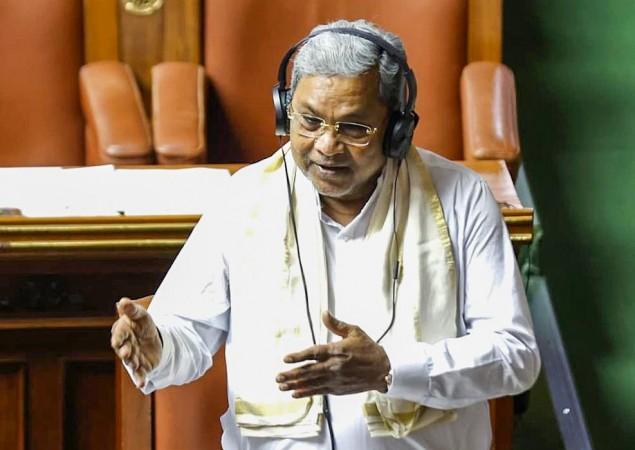
- Karnataka introduces bill to curb honour crimes and protect choice marriages
- Declares such crimes as public offences with strict penalties
- Provides police protection, safe houses and fast-track courts
- Focus on constitutional rights under Articles 14, 19 and 21
GG News Bureau
Bengaluru, 18th March: The Karnataka government on Wednesday introduced “The Karnataka Freedom of Choice in Marriage and Prevention and Prohibition of Crimes in the Name of Honour and Tradition (Eva Nammava Eva Nammava) Bill, 2026” in the State Legislative Assembly, aiming to curb honour-based crimes and safeguard the rights of individuals to choose their partners.
The proposed legislation seeks to establish a comprehensive legal framework rooted in constitutional guarantees under Articles 14, 19 and 21, reinforcing the right of consenting adults to marry without interference from family, caste groups or community bodies.
The bill comes amid ongoing concerns over violence, harassment and social ostracism faced by inter-caste and inter-faith couples, particularly women and individuals from marginalised communities.
A key provision of the bill is the classification of honour-based crimes as public offences rather than private family matters, enabling stronger state intervention. It prescribes stringent penalties for a range of actions, including physical violence, murder, abduction, social and economic boycotts, threats, forced confinement, disownment, denial of inheritance, and coercive practices such as forced abortion or remarriage.
The legislation also prohibits unlawful assemblies of five or more persons formed to oppose or act against marriages deemed to violate caste or community norms.
To safeguard couples, the bill guarantees autonomy in marriage decisions and treats any obstruction as a punishable offence. It allows couples to optionally register a declaration of intent with the District Magistrate, enabling access to police protection and shielding them from third-party complaints.
Courts will have the authority to issue immediate protection orders, with violations attracting up to two years’ imprisonment and a fine of ₹1 lakh.
The bill further mandates institutional safeguards, including district-level safe houses, 24/7 helplines, and special police cells led by senior officers. It requires police to respond within six hours and complete investigations within 60 days.
Public officials failing to act on such cases may face penalties and departmental action.
To ensure speedy justice, the legislation proposes fast-track courts for trial and disposal of cases within two months, with provisions for appeals in High Courts within 90 days.
Introducing the “Eva Nammava” (Our People) framework, the bill also focuses on promoting social inclusion and fraternity. It proposes district-level bodies, “Eva Nammava Vedike,” to support inter-caste marriages through counselling and facilitation.
The government also plans awareness campaigns, identification of high-risk areas and engagement with civil society organisations to strengthen prevention and monitoring mechanisms.
